Human Composting: What Gardeners Should Know
For gardeners, soil is more than dirt. It’s the living foundation of everything we grow, which is why the idea of human composting—also called natural organic reduction—has captured so much attention. Instead of a traditional burial or cremation, the body is transformed into nutrient-rich soil that can be returned to family or used in conservation projects.
This isn’t a gardening shortcut or a DIY project; it’s a highly regulated end-of-life option available only through licensed facilities where it is legal. But if you love plants, sustainability, or simply want your final choice to reflect a life spent outdoors, it’s worth understanding how it works and what it means for gardens.
What is human composting?
Human composting is a process that turns human remains into soil through controlled natural decomposition. The body is placed in a vessel with organic materials such as wood chips, straw, or alfalfa, which provide structure and balance carbon and nitrogen. Over time, heat, moisture, and microbes break everything down into a stable soil-like material.
The result is sometimes called “recomposition” or “natural organic reduction.” The soil is not taken straight from the vessel and spread in a garden immediately. It is carefully processed, tested, and typically cured before being returned to the family.
How the process works
While the exact method varies by facility, the basic steps are similar:
- The body is prepared and placed in a sealed vessel with plant-based materials.
- Conditions are controlled to support microbial activity and decomposition.
- Heat builds naturally as the material breaks down, helping reduce pathogens.
- After several weeks, the remains are transformed into soil.
- The soil is then screened, cured, and tested before release.
In many facilities, the process takes about one to two months, plus additional curing time. The final amount of soil is usually substantial, often enough to fill multiple garden containers or be divided among family members.
Why gardeners are interested
Gardeners tend to think in cycles: planting, growing, dying back, and returning to the earth. Human composting fits that worldview in a very direct way. It also appeals to people who want a lower-impact alternative to burial or cremation.
- It returns nutrients to the soil. The resulting material contains the elements plants need to grow, including nitrogen, phosphorus, potassium, calcium, and trace minerals.
- It creates a living memorial. Families can use the soil in a tree planting, border planting, memorial bed, or potted houseplant.
- It reduces land use. For some people, that makes it feel like a more practical and earth-friendly choice.
- It offers flexibility. Soil can be shared among family members, kept for a memorial planting, or donated to conservation work, depending on the facility and family wishes.
How gardeners can use memorial soil
If your family chooses to keep some of the soil, think beyond one large planting. The best use depends on how much soil you receive and what kind of garden you maintain.
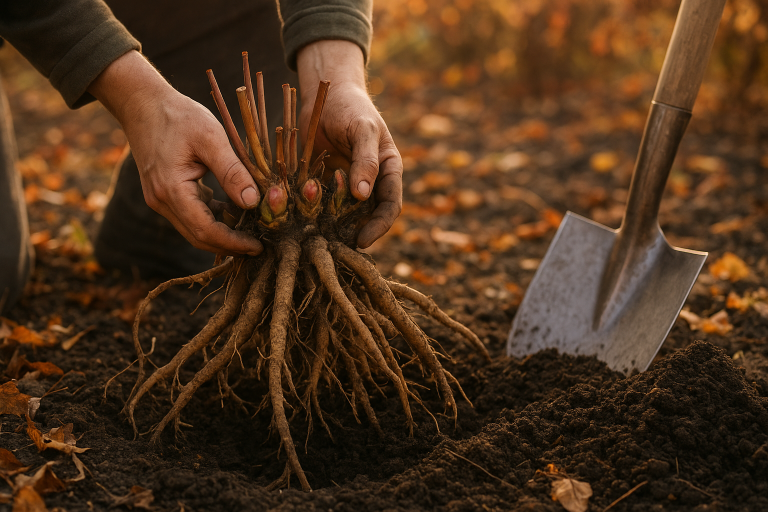
1. Mix it into a planting bed
For an established border, work the memorial soil into the top layer of a bed before planting shrubs, perennials, or bulbs. This helps blend it with existing soil and gives roots room to grow. If your garden soil is heavy clay or very sandy, use the memorial soil as part of a wider soil improvement plan rather than as a stand-alone medium.
2. Use it for a tree or shrub
A tree planting is one of the most meaningful choices. Dig a wide planting hole, backfill with a mix of native soil and memorial soil, and water deeply. Trees and large shrubs benefit from a long-term planting site where the roots can spread over time.
3. Add it to a memorial container
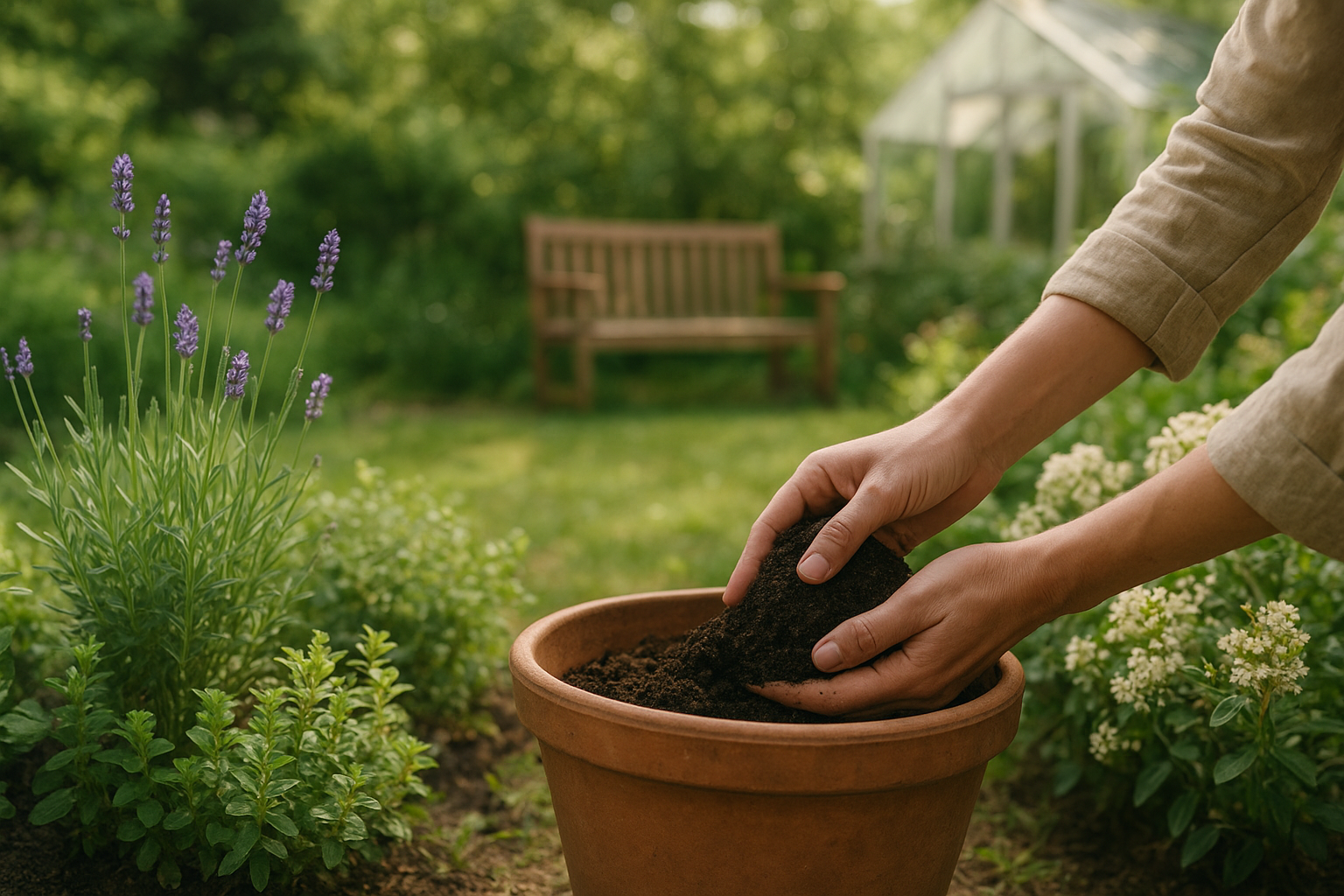
If you prefer a patio, balcony, or small-space tribute, use the soil in a large container for herbs, flowering annuals, or a small dwarf shrub. Container plants will need regular watering and feeding, because potting mixes are usually lighter and more reliable than straight garden soil.
4. Create a pollinator planting
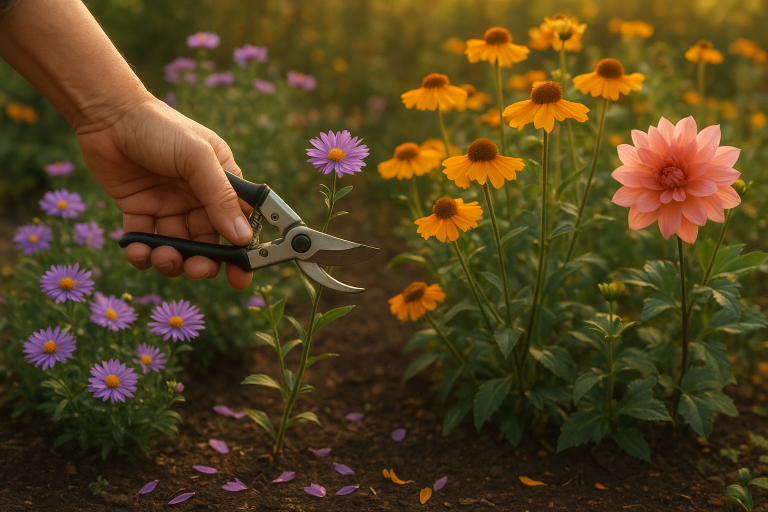
Gardeners who support bees and butterflies may choose nectar-rich plants like salvia, echinacea, lavender, bee balm, or native wildflowers. A memorial planting can be both personal and ecological, especially if you choose plants suited to your region.
What to plant in memorial soil
Because the soil has already passed through a controlled process, it can be used much like enriched garden soil. Still, it’s smart to start with plants that are forgiving and well suited to your conditions.
- Perennials: coneflower, black-eyed Susan, salvia, hardy geranium
- Herbs: thyme, oregano, rosemary, mint, chives
- Shrubs: hydrangea, viburnum, camellia, boxwood, roses
- Trees: apple, serviceberry, dogwood, redbud, ornamental cherry
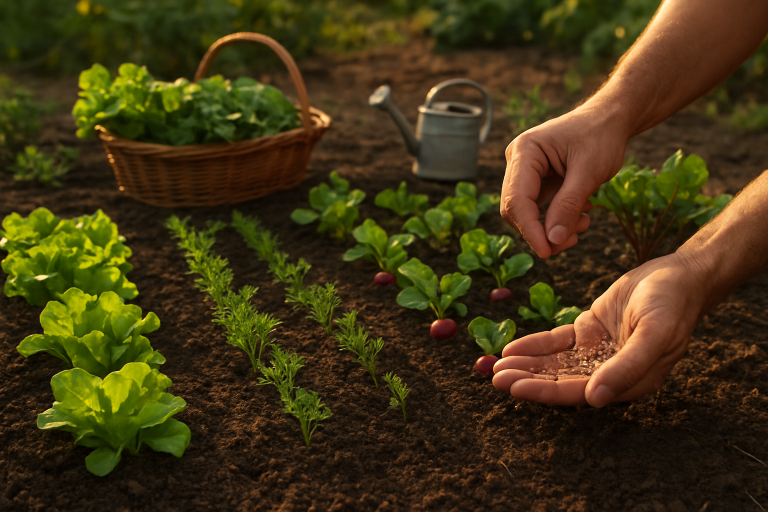
If you’re planting edibles, follow the facility’s guidance and local regulations. Some families prefer to use memorial soil for ornamentals only, especially at first, because the symbolism feels more fitting.
Important legal and practical notes
Human composting is not legal everywhere. In the United States, it is only available in states that have approved the practice, and the list continues to change. If you are considering it, check the current laws in your state and the rules of any facility you’re researching.
Also, this process must be handled by a licensed provider. It is not something that can be done at home, and it is not the same as backyard composting. Facilities must follow strict standards for vessel sanitation, temperature control, and testing of the finished soil.
Before choosing this option, ask practical questions such as:
- How much soil will be returned?
- How long does the process take?
- Is the soil tested for safety?
- Can some soil be reserved for family and some donated?
- Are there restrictions on how the soil can be used?
How to plan a memorial planting
If you want the final soil to become part of your garden, a little planning goes a long way. Choose a site with long-term meaning, such as a favorite corner, an entry path, or a place that gets morning sun and good drainage. Think about the mature size of the plant so the space won’t feel crowded in a few years.
It can also help to create a small ceremony around the planting. Some families read a favorite poem, place a bench nearby, or install a simple marker. Others prefer a quiet, private ritual with no formal memorial at all.
If you’re planning ahead for yourself, consider writing down:
- which plant or tree you’d like associated with your memorial
- who should receive the soil
- where the planting should happen
- whether the memorial should be public or private
A greener way to think about legacy
For many gardeners, the appeal of human composting is not only environmental. It’s emotional. It recognizes the idea that life continues through roots, leaves, flowers, and soil organisms doing their quiet work underground.
If that vision feels right to you, the next step is simply research. Look into laws where you live, compare licensed providers, and talk with family members about what a meaningful garden memorial might look like. Whether it becomes a flowering border, a shade tree, or a single pot of herbs on the patio, the result can be a living reminder of a person’s place in the natural world.