Can You Take Cuttings From a Purchased Plant?
Propagating plants from cuttings is one of the easiest ways to grow your collection without spending much money. But before you clip a stem from a plant you bought, it pays to pause and check a few rules first. In some situations, the answer is yes; in others, it can lead to a serious problem you probably didn’t expect.
If you’ve ever wondered whether can you take cuttings from a purchased plant, the short answer is: sometimes, but not always. The details depend on ownership, plant variety, and whether the plant is protected by a patent or other restrictions.
Start With the Most Important Question: Do You Own It?
If the plant is truly yours, growing in your home, yard, or container garden, taking a cutting is usually fine. That’s the simplest case. But “bought it” does not automatically mean “free to copy it in any way you like.” For most common houseplants and many ornamentals, personal propagation is perfectly normal.
Problems tend to begin when the plant does not belong to you. That includes:
- Plants in a garden center or grocery store
- Plants on a neighbor’s property
- Landscape plants at a rental home or shared property
- Plants in parks, botanical gardens, and public spaces
Even one small snip taken without permission can be considered theft, trespassing, or property damage. If you love the plant, ask first. A quick conversation can prevent an awkward or expensive misunderstanding.
Permission Matters More Than Intention
Many gardeners assume that taking “just a little piece” is harmless. In reality, the law cares less about your intention and more about ownership and consent. If you want a cutting from a plant growing on someone else’s property, get clear permission from the owner or manager before you cut anything.
This applies even in casual settings. For example, maybe a friend says, “Sure, take a clipping!” That’s fine if they actually own the plant. But if the plant belongs to a landlord, homeowner association, business, or public institution, your friend may not have the authority to give you the go-ahead.
When in doubt, ask who controls the plant and whether they have the right to allow propagation. That one step can save you a lot of trouble.
Not Every Plant Can Be Propagated by Cuttings
Before you make the first cut, confirm that the plant type is one that roots from cuttings. Some plants propagate readily from stems or leaves. Others almost never do. Trying to root the wrong kind of plant wastes time, reduces the parent plant’s energy, and can leave you frustrated.
Plants that are generally poor candidates for cutting propagation include:
- Most palms
- Conifers such as pine and spruce
- Most bulb plants, including tulips and daffodils
On the other hand, many popular houseplants and soft-stemmed ornamentals often root more easily. A quick plant-specific search before you clip is worth the minute it takes. Look for reliable sources that mention stem cuttings, leaf cuttings, or division so you know which method actually works.
Plant Patents Can Change Everything
Even if you own the plant, it may still be protected by a patent. Plant patents exist to protect certain new plant varieties developed through breeding or selection. They give the patent holder exclusive rights to reproduce that plant for a period of time.
That means a patented plant may not be legally propagated by cuttings, division, or other asexual methods without permission. This is especially important for newer ornamental varieties, unusual blooms, or branded cultivars sold under a specific name.
If a plant is patented, the label may sometimes mention it, but not always in a way that’s obvious to casual shoppers. If you’re unsure, check the plant tag carefully and look up the exact cultivar name. A little research is better than assuming it’s fair game.
How to spot a possible patent issue
- Look for the cultivar name, not just the common name
- Read the tag for patent numbers or propagation warnings
- Search the plant name along with the word “patent”
- Remember that store employees may not always know the legal status
If you discover the plant is patented, do not assume buying it gives you the right to reproduce it. Purchasing often means you own the plant itself, not the right to clone it.
What About Seeds, Division, and Gifting Plants?
Cuttings are only one form of propagation. Some plants are better divided, others grown from seed. In many cases, dividing an established clump of perennials is simpler and avoids some of the legal questions tied to cloning a specific variety.
Still, the same general principle applies: know what you’re growing and whether it’s protected. If you want to share plants with friends, non-patented classics are usually the easiest choice. Heirloom herbs, common pothos, spider plants, jade plants, and many old-fashioned garden favorites are often shared this way without issues.
For peace of mind, keep propagation focused on plants you already own and varieties you know are unrestricted. That way, you can enjoy the fun part of gardening without second-guessing every snip.
A Simple Safe-Propagation Checklist
Before you take a cutting, run through this quick checklist:
- Confirm ownership. Make sure the plant is yours or that you have direct permission from the owner.
- Check the species. Verify that the plant actually roots well from cuttings.
- Look for patent information. Search the cultivar name if the variety seems newer or unusual.
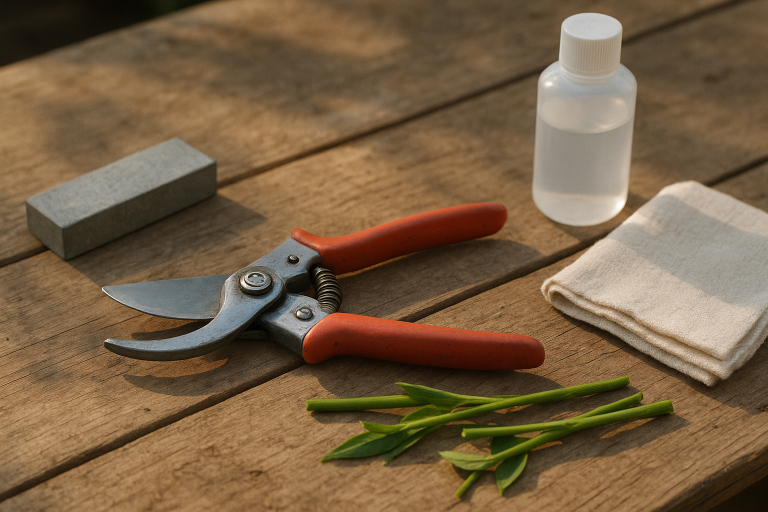
- Use clean tools. Sanitize pruning snips or a sharp knife to reduce disease spread.
- Take only what you need. A few well-chosen cuttings are usually enough.
- Label your cuttings. Keep track of what you propagated and when.
This process takes only a few minutes, but it helps you avoid legal trouble and improves your chances of success.
Best Practices for Healthy Cuttings
Once you’ve cleared the legal side, good technique matters. Healthy, successful cuttings usually start with a healthy parent plant and the right timing.
- Choose a non-flowering stem when possible, since blooms can drain energy from rooting.
- Cut just below a node because roots often form there more easily.
- Remove lower leaves so they don’t sit in water or soil.
- Use a clean, sharp tool to make a crisp cut.
- Keep humidity up by using a clear cover, bag, or propagation dome if needed.
- Provide bright, indirect light rather than harsh direct sun.
For many common plants, a little patience goes a long way. Rooting can take days for some species and several weeks for others.
When You Should Skip the Cutting Altogether
There are times when the safest move is to leave the plant alone. Skip propagation if:
- You are not sure who owns the plant
- The plant is in a public or commercial space
- The label suggests a patent or restricted variety
- You can’t identify the plant accurately
- The plant is weak, stressed, or diseased
Cuttings from unhealthy plants often fail, and some diseases travel right along with the stem. If a plant looks droopy, spotted, or pest-ridden, wait until it recovers or choose a healthier source.
The Bottom Line
Taking cuttings can be a wonderful, low-cost way to grow your garden, but it is not automatically legal just because a plant is visible or purchasable. If you want to know whether can you take cuttings from a purchased plant, the answer depends on ownership, permission, plant type, and whether the variety is patented.
When you verify those details first, you can propagate with confidence. That means fewer regrets, healthier cuttings, and a much better gardening experience overall.
So before you reach for the snips, take a quick moment to check the rules. A little caution now makes room for a lot more happy growing later.