How to Grow Wild Bergamot for Pollinators and Color
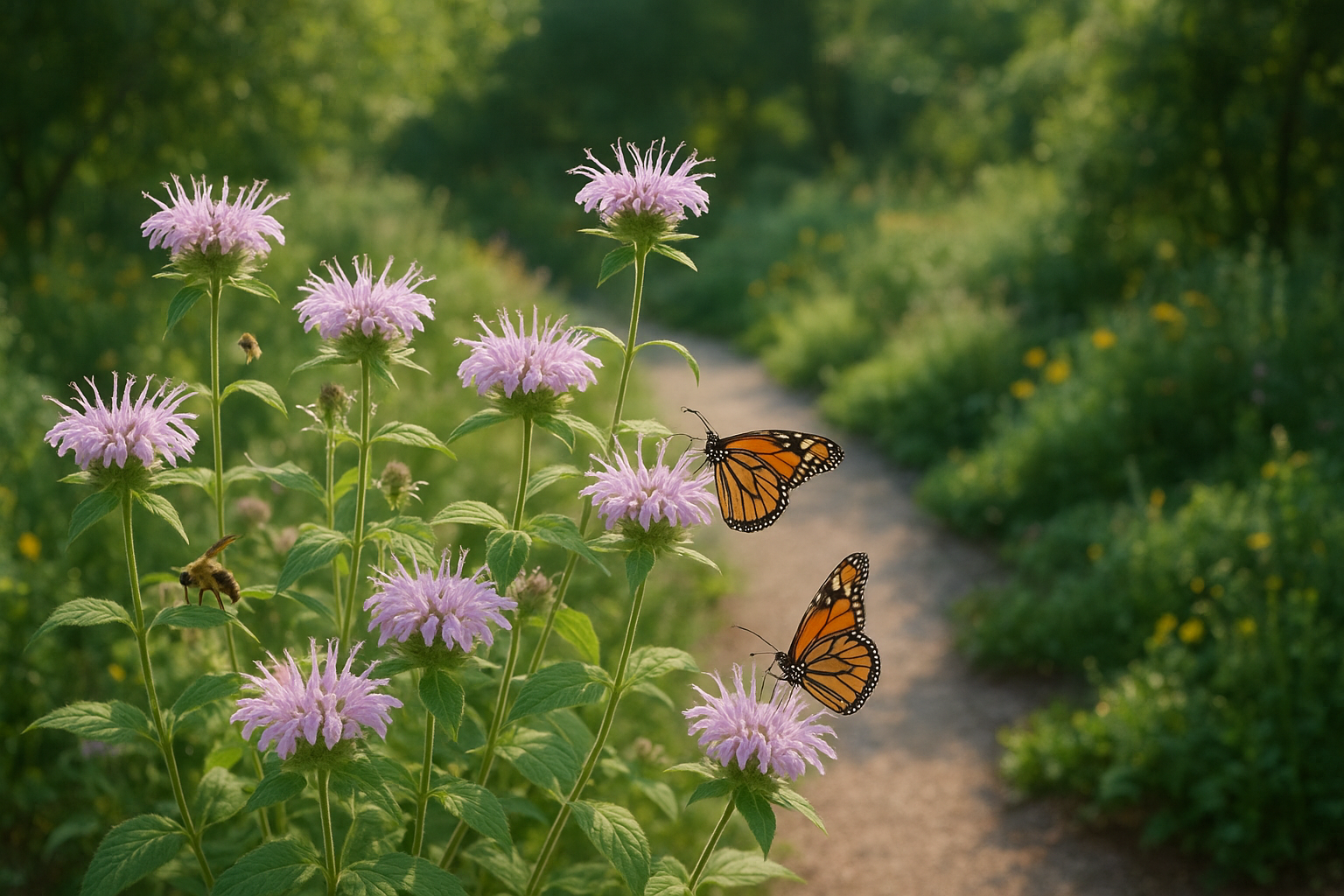
Wild bergamot is one of those plants that earns its place in the garden twice over: it looks beautiful in bloom, and it works hard for pollinators all season long. Also known as Monarda fistulosa, this North American native perennial produces airy lavender-pink flowers that bees, butterflies, and hummingbirds love.
If you want a low-fuss plant that thrives in sunny spots, handles heat fairly well, and brings a natural, meadow-like feel to your yard, wild bergamot is a smart choice. Here’s how to grow it successfully and keep it looking its best.
Why gardeners love wild bergamot
Wild bergamot has a looser, more natural look than some other garden perennials, which makes it perfect for native plantings, pollinator beds, cottage gardens, and informal borders. It typically grows in clumps and sends up upright stems topped with shaggy, fragrant flower heads in midsummer.
Beyond the good looks, it offers several practical benefits:
- Excellent for pollinators: The flowers are a magnet for bees, butterflies, and hummingbirds.
- Drought tolerant once established: It can handle dry spells better than many ornamental perennials.
- Adaptable: It grows in gardens, meadows, rain gardens, and naturalized spaces.
- Fragrant foliage: The leaves have a minty, herbal scent when brushed or crushed.
Best growing conditions
Wild bergamot grows best in full sun, which means at least six hours of direct light each day. It can tolerate light afternoon shade, especially in hotter climates, but too much shade often leads to fewer flowers and leggier stems.
Soil is less of a concern than drainage. This plant prefers soil that drains well and does not stay soggy. It can grow in sandy, loamy, or even somewhat rocky ground, and it is tolerant of average or slightly poor soils. Rich soil is not necessary and may actually produce weaker, floppy growth.
As for soil pH, wild bergamot is fairly forgiving. Most garden soils are suitable as long as they are not constantly wet.
How to plant wild bergamot
From nursery plants
The easiest way to get started is with a young plant from a native plant nursery or garden center. Spring and early fall are both good planting times.
- Choose a sunny site with well-drained soil.
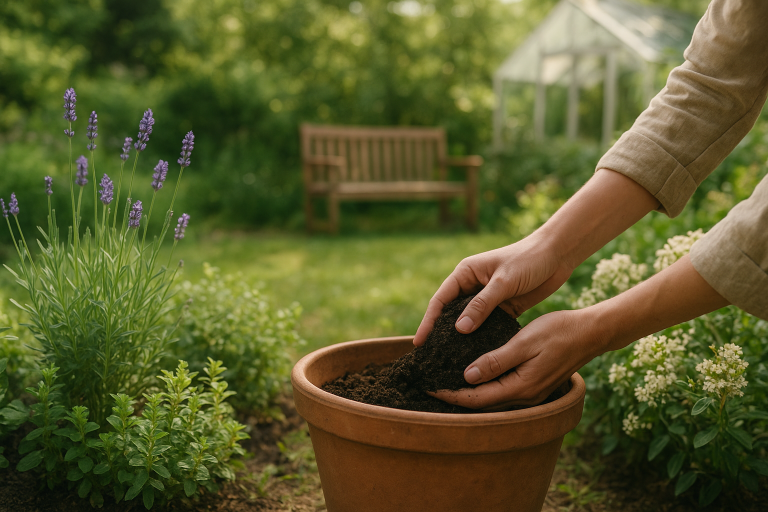
- Dig a hole twice as wide as the root ball, but no deeper.
- Loosen the roots gently if they are circling in the pot.
- Place the plant so the top of the root ball sits level with the surrounding soil.
- Backfill, firm lightly, and water thoroughly.
- Add a thin layer of mulch, keeping it a few inches away from the stems.
From seed
Wild bergamot can also be grown from seed, though it takes patience. Seeds often germinate best after a period of cold, moist conditions, which mimics winter outdoors. If sowing indoors, follow the seed packet instructions for cold stratification if needed.
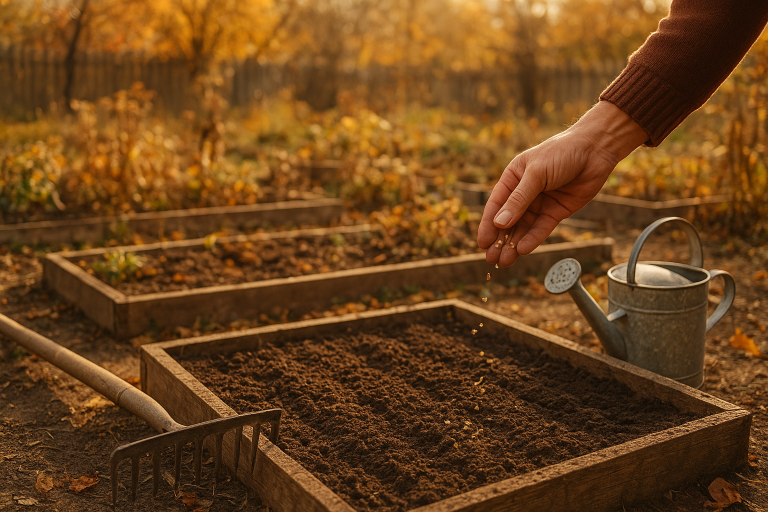
For direct sowing, press seeds lightly into prepared soil in fall or very early spring. Do not bury them deeply; many native seeds need light to germinate. Keep the seedbed evenly moist until seedlings are established.
Watering and feeding
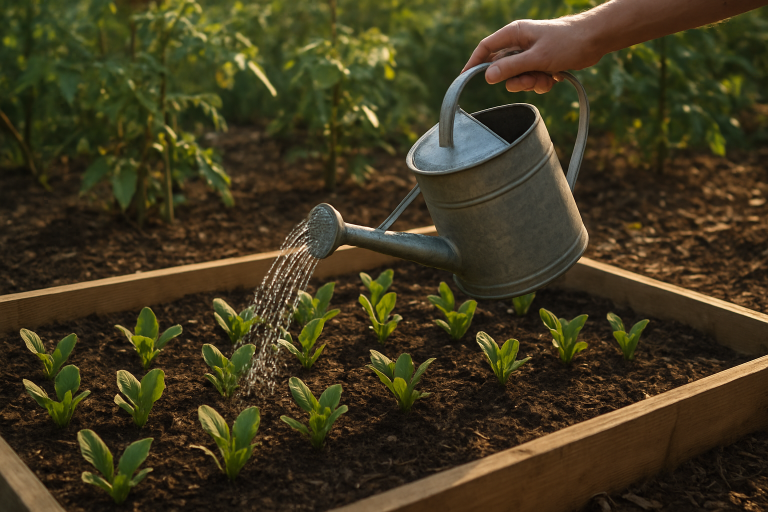
New plants need regular watering during their first growing season. Water deeply once or twice a week, depending on weather and soil type, so roots can grow down into the soil.
Once established, wild bergamot is fairly drought tolerant. In most gardens, it only needs water during extended dry periods. Overwatering can be more of a problem than underwatering, especially in heavy soil.
Fertilizer is usually unnecessary. In fact, too much fertilizer can encourage lush growth at the expense of flowers and may make the stems flop. If your soil is very poor, a little compost worked into the planting area is usually enough.
Pruning and deadheading
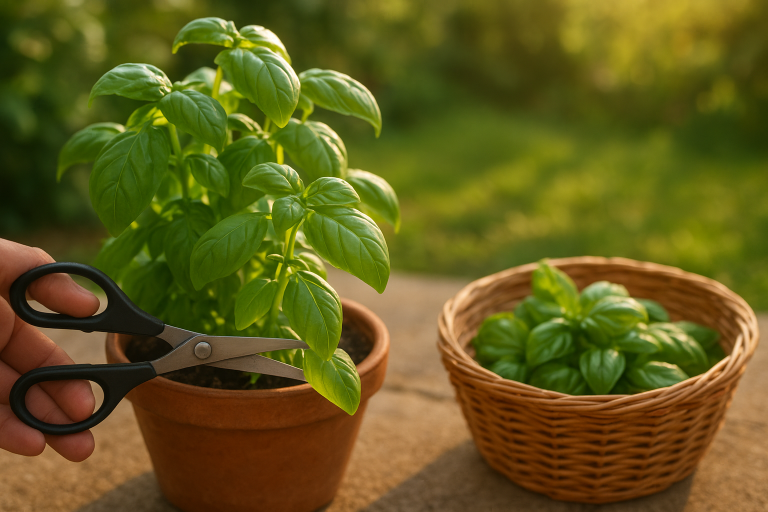
Deadheading, or removing spent flowers, can help the plant look tidier and may encourage a longer bloom period. If you enjoy a more natural look, you can leave some seed heads in place for birds and seasonal interest.
In late fall or early spring, cut the stems back close to the ground. Many gardeners prefer to leave the old stems standing through winter because hollow plant stems can provide shelter for beneficial insects. If you do leave them, trim them back once new growth begins in spring.
Spacing and growth habit
Wild bergamot usually grows about 2 to 4 feet tall, depending on growing conditions and variety. It can spread by rhizomes and self-seeding, so give it space to expand. A spacing of about 18 to 24 inches is a good starting point for most gardens.
If you want a neat border, divide clumps every few years in spring or early fall. This helps keep the plants vigorous and prevents the center from becoming overcrowded.
Common problems and how to prevent them
Powdery mildew
Like many plants in the mint family, wild bergamot can develop powdery mildew, especially in humid conditions or when airflow is poor. To reduce the risk:
- Plant in full sun with enough room between plants.
- Avoid overhead watering when possible.
- Remove crowded or weak stems to improve airflow.
- Choose disease-resistant selections when available.
Flopping stems
If your plant grows tall and floppy, the cause is often too much shade, overly fertile soil, or overcrowding. Moving it to a sunnier spot and avoiding excess compost or fertilizer can help. In a border, you can also support taller stems with nearby companion plants.
Too much spread
Wild bergamot is not aggressive in every garden, but it can wander into nearby spaces through seed or rhizomes. If you want better control, deadhead before seeds mature and divide clumps regularly.
Best companion plants
Wild bergamot pairs beautifully with other sun-loving native plants and perennials that enjoy similar conditions. Good companions include:
- Black-eyed Susans
- Purple coneflower
- Little bluestem
- Blazing star
- Yarrow
- Coreopsis
These combinations create a layered, natural look and provide nectar, pollen, and seed sources over a long season.
Using wild bergamot in the garden
This plant shines in pollinator gardens, prairie-style plantings, and informal borders. It also works well in a sunny herb garden, though its main value is ornamental and ecological rather than culinary. Because the foliage is fragrant and the blooms are distinctive, it adds sensory interest even when it is not in flower.
If you have a rain garden or a sunny slope with well-drained soil, wild bergamot can be a good fit there too. It helps fill spaces that may be too dry for fussier perennials.
Quick care checklist
- Light: Full sun is best
- Soil: Well-drained, average to lean soil
- Water: Regular at first, then only during dry spells
- Fertilizer: Usually none needed
- Bloom time: Mid to late summer
- Maintenance: Deadhead if desired, divide every few years, cut back in late fall or early spring
Is wild bergamot right for your yard?
If your garden gets plenty of sun and you want a native perennial that supports wildlife without demanding much in return, wild bergamot is a great option. It brings movement, fragrance, and color to the landscape while helping feed beneficial insects at a critical time of year.
Give it the right spot, avoid overfeeding it, and let it settle in. Once established, this easygoing perennial can become one of the most rewarding plants in your garden.