Black Chokeberry: A Native Shrub for Brilliant Fall Color
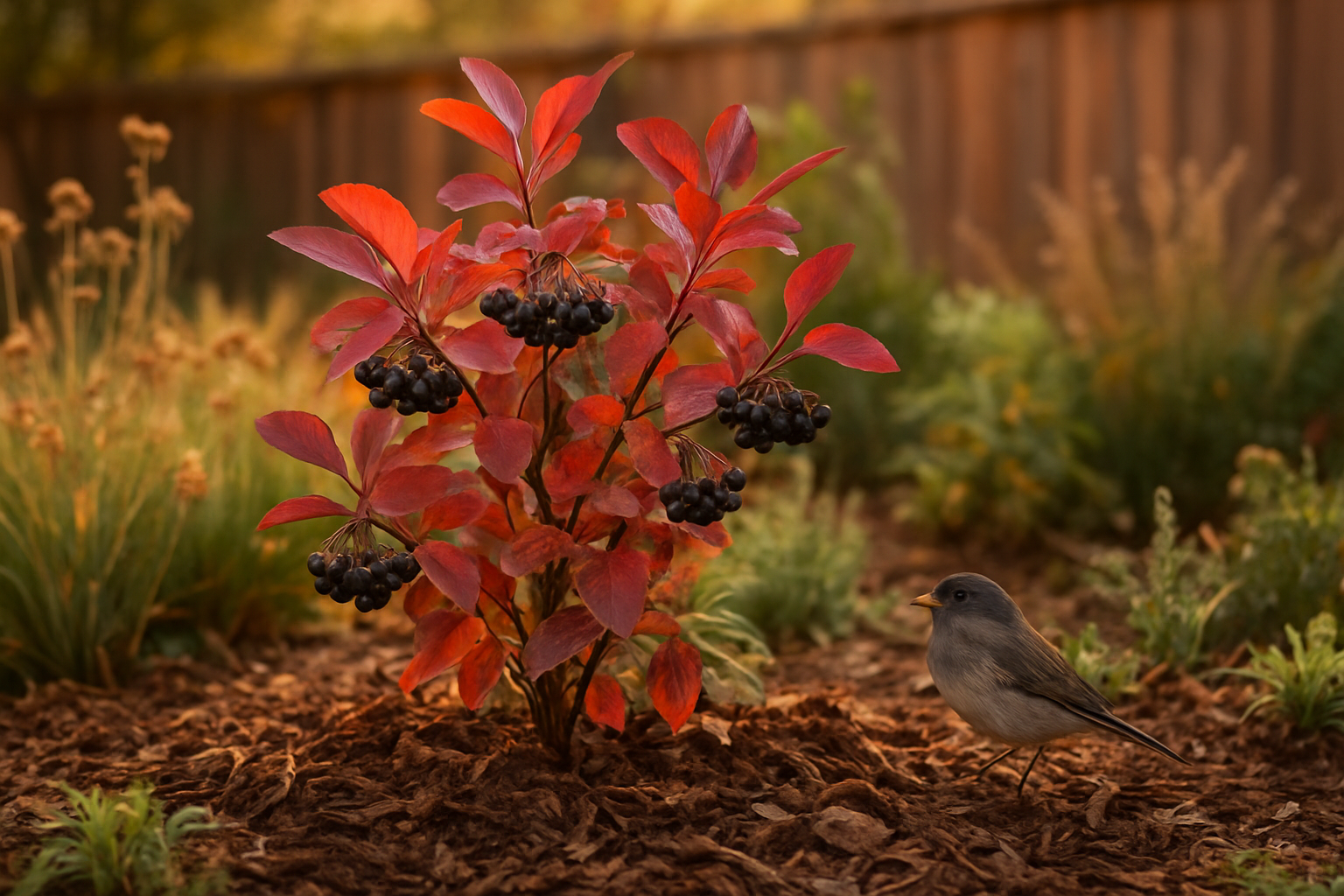
If you love the blazing fall color of burning bush but want something better behaved in the landscape, there’s a native shrub worth a closer look. Black chokeberry brings red-to-burgundy autumn foliage, spring flowers, and berries that support wildlife—all in a compact, easy-to-place shrub.
It’s one of those plants that quietly earns its keep all year long. In spring, it flowers for pollinators; in summer, it builds fruit for birds; and in fall, it puts on a color show that can easily hold its own in the border.
Why black chokeberry is such a smart substitute
Black chokeberry (Aronia melanocarpa) is native to eastern North America and naturally fits into a wide range of home landscapes. Unlike burning bush, which is widely regarded as invasive in many regions, black chokeberry works with the local ecosystem instead of against it.
Here’s what makes it so appealing:
- Strong fall color: Leaves often turn brilliant red, orange-red, or deep burgundy.
- Spring flowers: Small white blooms attract bees and other beneficial insects.
- Wildlife value: The berries are eaten by birds, especially later in the season.
- Manageable size: Most varieties stay around 3 to 6 feet tall and wide.
- Low-fuss habit: Once established, it’s generally easy to maintain.
That combination makes it useful in more than just native plantings. You can tuck it into mixed borders, use it as a foundation shrub, or plant several together for a loose, natural hedge.
What black chokeberry looks like through the seasons
This shrub is attractive for much longer than the few weeks of peak fall color most gardeners focus on. In early spring, the plant produces clusters of small white flowers. They’re not oversized or flashy, but they’re charming and important for early pollinators.
By summer, the foliage stays neat and green, and the plant begins forming dark berries. These fruits can persist into late season, depending on local bird pressure and weather. Then autumn arrives, and the leaves shift into vivid color that makes the shrub stand out from a distance.
If you’re trying to build a landscape that feels lively in every season, black chokeberry does a good job of bridging the gaps between bloom time and bird season.
Best growing conditions
Black chokeberry is adaptable, which is part of why it’s such a practical choice. It can handle a variety of soil conditions and is usually easier to place than more demanding ornamentals.
Light
For the best berry production and strong fall color, plant it in full sun. It will also grow in partial shade, though the foliage color may be a bit less intense and the shrub may produce fewer flowers and berries.
Soil
It prefers moist, well-drained soil but tolerates a range of conditions, including spots that may be slightly wet at times. That flexibility can be helpful if your yard has areas where other shrubs struggle.
Watering
During the first growing season, water regularly so the roots can establish well. After that, black chokeberry is fairly low-maintenance, though it will perform best with consistent moisture during dry spells.
Hardiness
Black chokeberry is hardy in a wide range of climates, making it suitable for many home gardens across North America.
How to plant black chokeberry
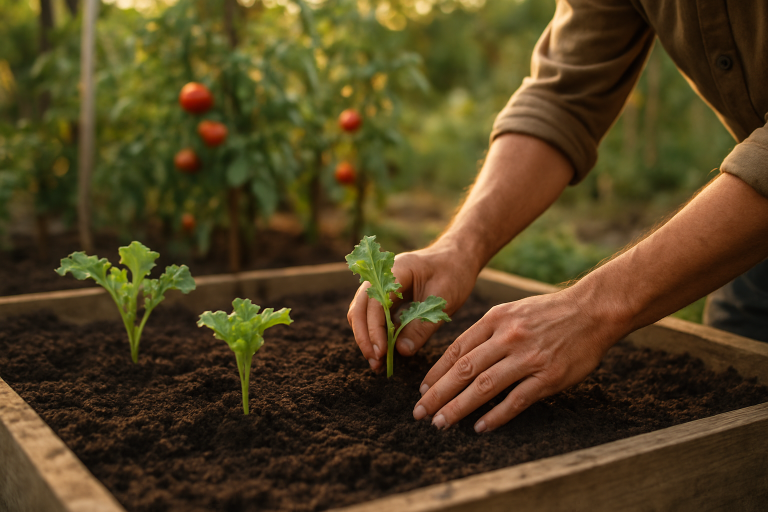
Planting is straightforward, but giving the shrub a good start will pay off in healthier growth and better seasonal performance.
- Choose the right location. Pick a site with at least half a day of sun and enough room for the mature width of the shrub.
- Prepare the soil. Loosen the planting area and mix in compost if your soil is compacted or low in organic matter.
- Dig a wide hole. Make the hole about twice as wide as the root ball, but not deeper.
- Set the shrub at the same height. The top of the root ball should sit level with or slightly above the surrounding soil.
- Water thoroughly. Give it a deep soak after planting to settle the soil around the roots.
- Mulch lightly. Add a 2- to 3-inch layer of mulch, keeping it a few inches away from the stems.
If you’re planting more than one, space them according to the mature spread. That helps each shrub develop a rounded shape without crowding.
Pruning and maintenance tips
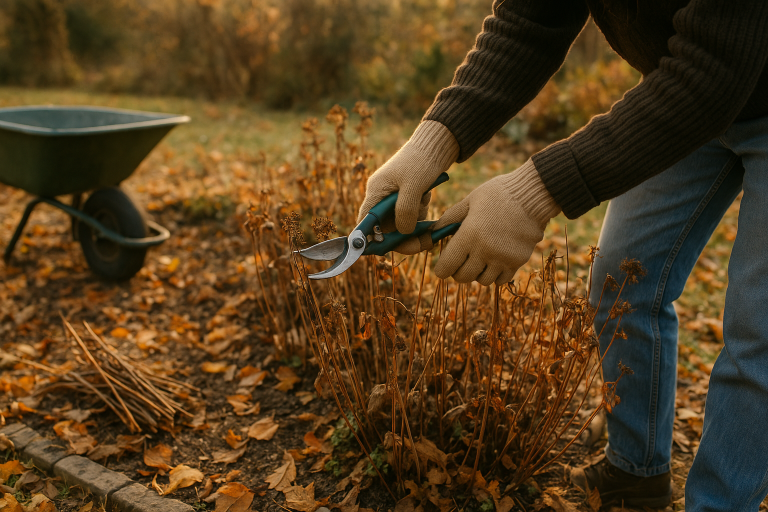
One of the reasons gardeners like black chokeberry is that it doesn’t demand constant pruning. In most cases, it only needs occasional cleanup and shaping.
- Remove dead or damaged stems in late winter or early spring.
- Thin older canes if the shrub becomes dense or woody in the center.
- Avoid shearing into a tight box unless you want a formal hedge; the natural shape is part of its charm.
- Refresh mulch yearly to help conserve moisture and suppress weeds.
If you want the biggest berry display, avoid overfeeding the plant with high-nitrogen fertilizer. Too much leafy growth can reduce flowering and fruiting.
How to use it in your landscape
Black chokeberry is versatile enough to fit into both tidy suburban yards and looser wildlife gardens. It works especially well when paired with other native plants that offer staggered bloom times and textures.
Try it in these spots:
- Mixed border: Combine with coneflower, asters, or native grasses for multi-season interest.
- Property edge: Plant several together as a soft screening hedge.
- Rain garden: Use it in a spot with periodic moisture if your site meets local drainage needs.
- Bird-friendly bed: Place it near a viewing window so you can enjoy the wildlife it attracts.
Because it stays relatively compact, it’s also a good choice for smaller yards where a large shrub would overwhelm the space.
Wildlife benefits beyond the berries
Black chokeberry does more than provide food later in the year. Its flowers support pollinators in spring, and the berries can help sustain birds when other food sources are getting scarce. In a garden designed for wildlife, that kind of all-season value matters.
Birds may not wait around politely for every berry to ripen, of course. But even if they harvest the fruit quickly, the shrub still contributes to the larger ecosystem by offering cover, nesting habitat, and insect-friendly blooms.
If your goal is to create a yard that looks beautiful and functions as a habitat, this plant checks a lot of boxes.
Good reasons to choose it over burning bush
Burning bush is famous for fall color, but many gardeners now want alternatives that are noninvasive and more ecologically useful. Black chokeberry fits that role well.
Instead of a shrub that mostly offers foliage, you get a plant with:
- showy autumn leaves
- spring flowers
- berries for wildlife
- a size that suits modern gardens
- a native profile that supports local ecosystems
That makes it a much more rounded choice for gardeners who want beauty without regret.
Final take
If you’ve been searching for a shrub with the drama of burning bush but far better garden manners, black chokeberry deserves a place on your list. It’s attractive, adaptable, and genuinely useful to wildlife, which is a combination every home garden can benefit from.
Plant it in a sunny spot, give it a little care while it gets established, and it will reward you with years of seasonal interest. In other words, it’s the kind of shrub that works hard without asking for much in return.