5 Winter-Flowering Shrubs That Make Your Front Yard Smell Amazing
Winter can make a front yard feel bare and quiet, but the right shrubs can change that completely. A few well-chosen winter-flowering shrubs will give you color, structure, and, best of all, fragrance when the garden needs it most.
If you plant in fall, those shrubs have time to settle in before the coldest weather arrives. That means stronger roots, better flowering, and a bigger payoff when the blooms open on chilly days. Here are five beautiful options that can turn a winter arrival at home into something you actually look forward to.
Why winter shrubs are worth the space
Front yards do more than boost curb appeal. They set the tone for your whole home, and shrubs are one of the easiest ways to make that space feel welcoming year-round. In winter, the best plants are the ones that offer more than flowers alone: scent, evergreen leaves, interesting bark, or a tidy shape that still looks good when the rest of the garden is resting.
When choosing winter bloomers, think about three things:
- Fragrance: You want scent that carries near a path, porch, or doorway.
- Timing: Pick shrubs that flower from late fall through early spring, depending on your climate.
- Scale: Match the mature size to your planting bed so the shrub stays attractive, not crowded.
1. Daphne odora
Daphne odora is one of the most rewarding shrubs for winter scent. Its small clusters of flowers are often pink on the outside and pale inside, and the fragrance is famously rich and sweet with a fresh, almost citrusy edge. Even a single plant can perfume a small entryway.
This shrub prefers a sheltered spot with well-drained soil. It dislikes soggy roots, so avoid heavy clay unless you can improve drainage first. Plant it where you can enjoy the scent up close, such as beside a walkway or near a front step. It generally stays compact, which makes it useful in smaller front yards.
Best use: Near doors, paths, or a patio where the fragrance can be appreciated daily.
Care tips
- Plant in rich, well-drained soil.
- Water regularly during the first year.
- Mulch lightly to protect roots, but keep mulch away from the stem.
- Avoid moving it once established, because daphnes do not love transplanting.
2. Sarcococca, or sweet box
Sarcococca is one of the most underrated shrubs in the garden. The flowers are small and easy to miss, but the scent is extraordinary: clean, sweet, and noticeable on still winter days. It’s also a great choice if you need something that looks neat and evergreen all year.
Because it tolerates shade, sweet box is especially useful near porches, along a north-facing wall, or under the light canopy of a tree. It won’t demand much attention once established, and its glossy leaves help keep the front yard looking full even in the off-season.
Best use: Shady front yards or dim corners that still need fragrance and structure.
Care tips
- Plant in partial shade to full shade.
- Use moist but well-drained soil.
- Prune only lightly to keep its natural shape.
- Combine with winter pansies or hellebores for a layered look near the entry.
3. Witch hazel
Witch hazel brings a completely different kind of beauty to the winter garden. Its ribbon-like yellow, orange, or copper flowers appear on bare stems and glow in winter light. The fragrance is soft, spicy, and slightly fresh, which makes it a lovely choice if you want something that feels elegant rather than overpowering.
It also offers strong visual impact from a distance, so it works well as a focal shrub in a front lawn bed or at the corner of a house foundation. Many varieties grow into graceful, vase-shaped shrubs that look beautiful even before they bloom.
Best use: As a statement plant where it can be seen from the street or driveway.
Care tips
- Give it room to spread as it matures.
- Plant in sun or light shade.
- Choose soil that holds moisture but drains well.
- Mulch annually to keep roots cool and reduce water stress.
4. Winter honeysuckle
Winter honeysuckle is not flashy, but its scent is one of the sweetest in the cold-season garden. On mild days, a single shrub can fill a front path with fragrance. The flowers are usually pale cream or white, and they appear on bare stems before the leaves emerge.
This is a good shrub for gardeners who want low-fuss beauty. It handles a range of growing conditions and is often happiest in a sunny to lightly shaded spot. Because it can become broad over time, it’s best placed where it has room to grow without blocking a walkway.
Best use: Along a side path, driveway border, or open front-yard bed.
Care tips
- Plant in full sun to partial shade.
- Prune after flowering if you need to shape it.
- Water deeply during dry spells, especially in the first year.
- Remove any dead or crossing branches to keep the shrub tidy.
5. Viburnum bodnantense
Viburnum bodnantense is one of the best shrubs for combining fragrance with strong winter presence. It flowers in pink clusters that can appear from late fall into early spring, depending on weather. The blooms have a sweet, subtle perfume that becomes more noticeable on warmer days.
This shrub grows larger than some of the others on this list, so it works well where you want a substantial anchor in the landscape. It can soften the corner of a house, frame the approach to a front door, or fill a bare bed with height and seasonal interest.
Best use: A larger front yard bed that needs a dependable winter focal point.
Care tips
- Choose a position with plenty of sun for the best flowering.
- Allow space for mature spread.
- Prune only after flowering if shaping is needed.
- Feed lightly in spring with compost or a balanced shrub fertilizer.
How to plant winter-flowering shrubs in fall
Fall planting gives shrubs a head start. The soil is still warm enough for root growth, and the cooler air reduces stress on the plant. That early establishment often means better blooms by the next season.
- Prepare the planting hole: Dig a hole as deep as the root ball and about twice as wide.
- Improve the soil: Mix in compost if your soil is poor or compacted.
- Check drainage: If water sits in the hole after a rain, choose a better spot or raise the planting area.
- Plant at the right height: The top of the root ball should sit level with the surrounding soil.
- Water well: Give the shrub a deep soak after planting.
- Mulch carefully: Add a 2-inch mulch ring, but keep it a few inches away from the stems.
Design ideas for a welcoming winter entrance
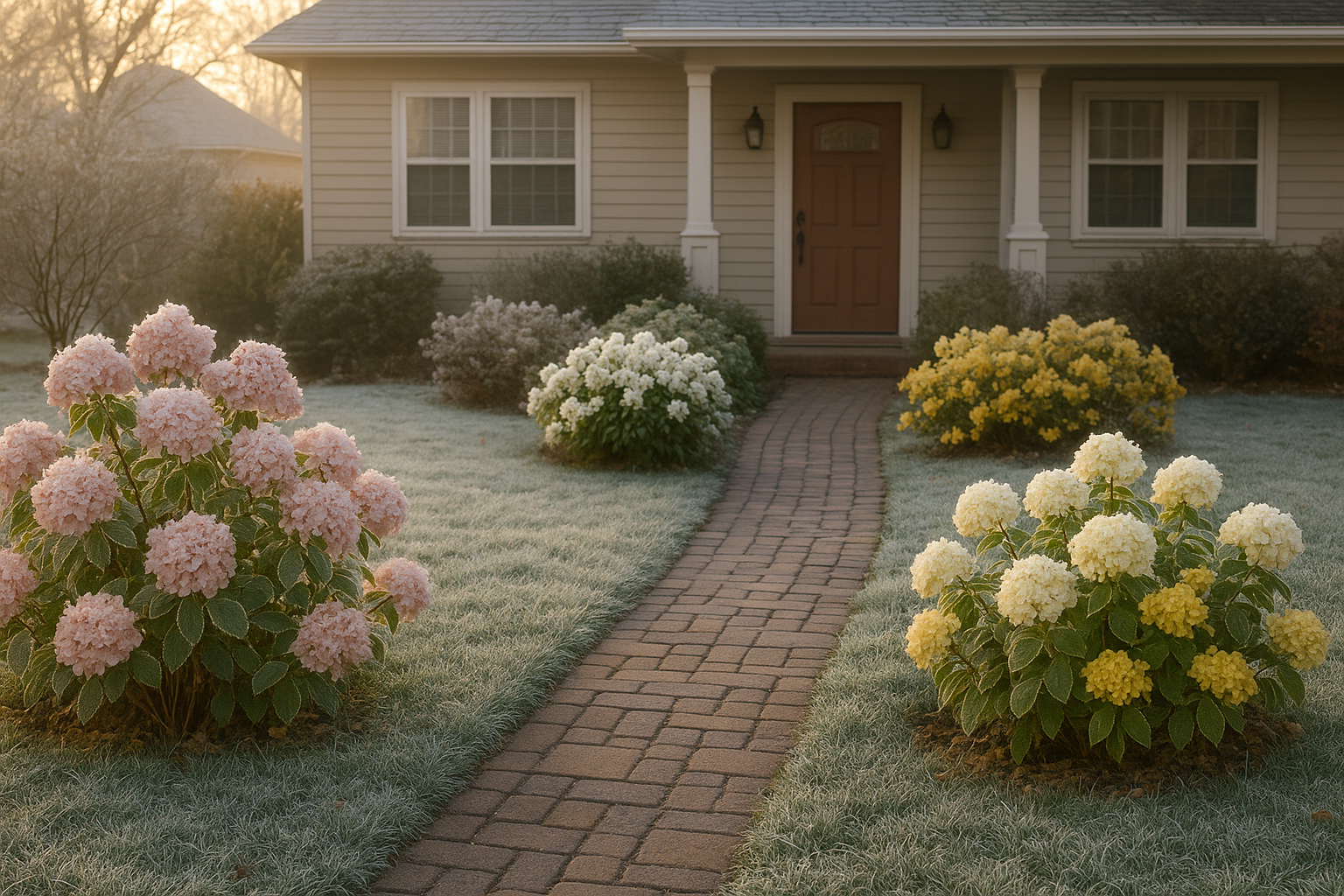
To make your front yard feel intentional, combine fragrance with structure. One evergreen shrub, one flowering shrub, and one low ground layer can create a complete look without a lot of maintenance.
- Place a fragrant shrub near the path so visitors can smell it as they pass.
- Use a larger winter bloomer as a backdrop, then underplant with hellebores, winter pansies, or evergreen ferns.
- Repeat one plant on both sides of a walkway for a balanced entrance.
- Keep lighting in mind: flowers with pale or yellow tones often stand out best in low winter light.
For the most satisfying results, choose at least one shrub that flowers early and another that provides evergreen presence. That way your front yard won’t rely on one brief burst of interest.
A final thought
Winter gardens do not have to feel empty. With the right winter-flowering shrubs, your front yard can become one of the most inviting parts of your home, even when the temperature drops. Whether you love sweet perfume, subtle spice, or bright cold-season color, there’s a shrub that can make your arrival home feel a little more cheerful all winter long.