How to Plant Spinach in Late Summer for a Fall Crop
If your summer garden is starting to look tired, spinach is one of the best crops to tuck into open space for fall. The trick is getting the seeds through late-summer warmth so the plants can take off as days cool down.
Here is how to plant spinach in late summer for tender fall leaves, without wasting seed on hot, dry soil that won’t cooperate.
Why Late Summer Spinach Works So Well
Spinach is a cool-season crop. It grows best when the weather is mild, and several extension sources recommend sowing again in late summer for a fall crop. Utah State University Extension notes that spinach tastes best when plants grow quickly and mature before hot weather, while UNH Extension recommends sowing in early spring and again in late summer for fall harvest. ([extension.usu.edu](https://extension.usu.edu/yardandgarden/research/spinach-in-the-garden?utm_source=openai))
Fall is often easier than spring because the plants grow into cooler weather instead of racing toward heat. That means sweeter leaves, fewer bolting problems, and a longer harvest window if you protect the plants from hard freezes.
When to Plant Spinach in Late Summer
A good rule is to sow spinach about 6 weeks before your average first fall frost. UMass Extension says late-summer spinach is commonly seeded about six weeks before the average first frost, and Utah State University Extension suggests choosing a maturity date that lands about 1 to 2 weeks after your expected first fall frost. ([umass.edu](https://www.umass.edu/agriculture-food-environment/vegetable/fact-sheets/spinach?utm_source=openai))
For many gardeners, that means planting sometime from mid-August through September, depending on climate. In warmer areas, you may need to wait until evenings cool a bit. In cooler northern zones, you may need to start earlier so the plants size up before days get short.
Quick timing guide
- Cold climates: Sow in early to mid-August.
- Moderate climates: Sow from mid-August to early September.
- Mild climates: Sow in September, and sometimes again in early fall.
If you are not sure, look up your average first fall frost date and count backward 6 weeks. Then check your seed packet for days to maturity. Many spinach varieties are ready for baby leaves earlier than full-size leaves, so you can often harvest even if the season is short.
Choose the Right Spinach Variety
For late-summer planting, look for varieties labeled slow-bolting, fall, winter, or cold-hardy. Savoy types have crinkled leaves and good texture, while smooth-leaf types are easier to rinse clean if your garden soil splashes.
Popular choices often include varieties like Bloomsdale, Space, Regiment, and other fall-suited types, but your best option is usually the variety recommended for your region. Maryland Extension’s spinach recommendations include specific types for fall or summer-planted spinach, which is a helpful reminder that disease resistance and seasonal fit can vary by area. ([extension.umd.edu](https://extension.umd.edu/sites/extension.umd.edu/files/2026-02/Spinach.pdf?utm_source=openai))
Prep the Bed Before Sowing
Spinach has shallow roots, so it appreciates loose, evenly moist soil. Choose a spot that gets sun in fall, but if you are sowing while the weather is still hot, a place with afternoon shade can help the seeds germinate.
Before planting:
- Pull out weeds and old crop roots.
- Loosen the top 4 to 6 inches of soil.
- Mix in compost if the bed is tired or crusty.
- Water the bed deeply the day before planting.
- Rake the surface smooth so tiny seeds do not fall into deep cracks.
Avoid adding too much high-nitrogen fertilizer at planting. Compost is usually enough to get seedlings started, and you can feed lightly later if growth looks pale or slow.
Help Spinach Seeds Germinate in Warm Weather
The hardest part of late-summer spinach is germination. Spinach likes cool conditions. UC IPM lists the ideal growth range as 40°F to 75°F, with fastest growth around 60°F to 65°F, and Illinois Extension recommends chilling spinach seed in the refrigerator for 1 to 2 weeks before summer or fall plantings. ([ipm.ucanr.edu](https://ipm.ucanr.edu/home-and-landscape/cultural-tips-for-growing-spinach/?utm_source=openai))
To improve your odds:
- Chill the seed. Put the seed packet in the refrigerator for a week before planting.
- Water before sowing. Start with moist soil, not dry dust.
- Sow a little extra. Warm soil can reduce germination, so plant more than you need and thin later.
- Shade the row. Use shade cloth, an upside-down nursery flat, or a light board propped slightly above the soil. Remove it as soon as seeds sprout.
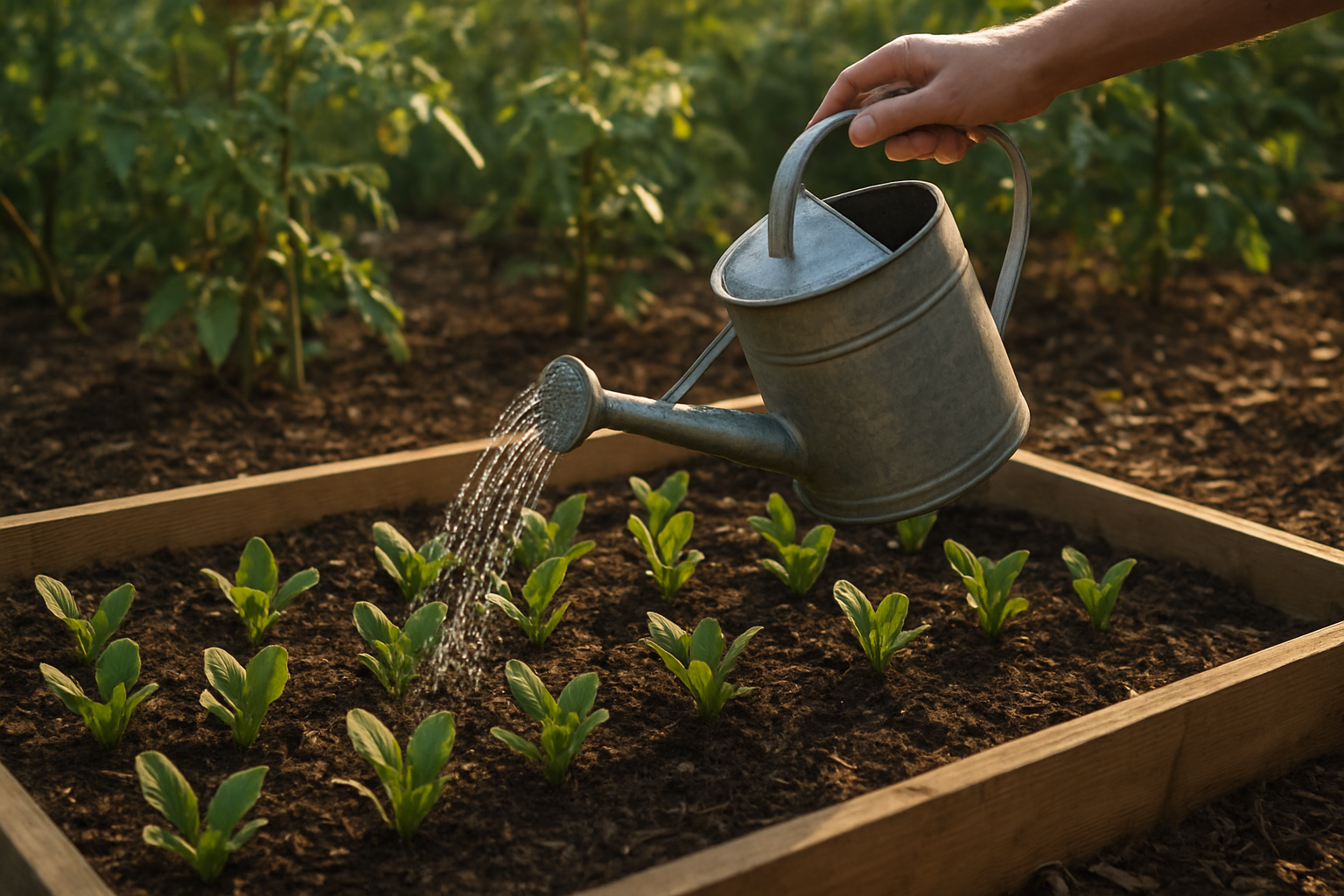
- Keep the surface damp. Water lightly once or twice a day during hot spells so the seed zone does not dry out.
Do not bury spinach too deeply. Plant seeds about 1/2 inch deep, then gently firm the soil so moisture contacts the seed.
Spacing for Baby Leaves or Full-Size Plants
You can grow spinach two ways. For baby leaves, sow a band of seed and harvest young. For full-size plants, give each plant more room.
- Baby spinach: Sow seeds about 1 inch apart in rows or wide bands.
- Full-size spinach: Thin seedlings to 4 to 6 inches apart.
- Rows: Space rows 12 to 18 inches apart, or closer in raised beds if you can reach for harvest.
When thinning, use scissors to snip extra seedlings at soil level instead of pulling them. Pulling can disturb the roots of the plants you want to keep.
Watering and Mulching
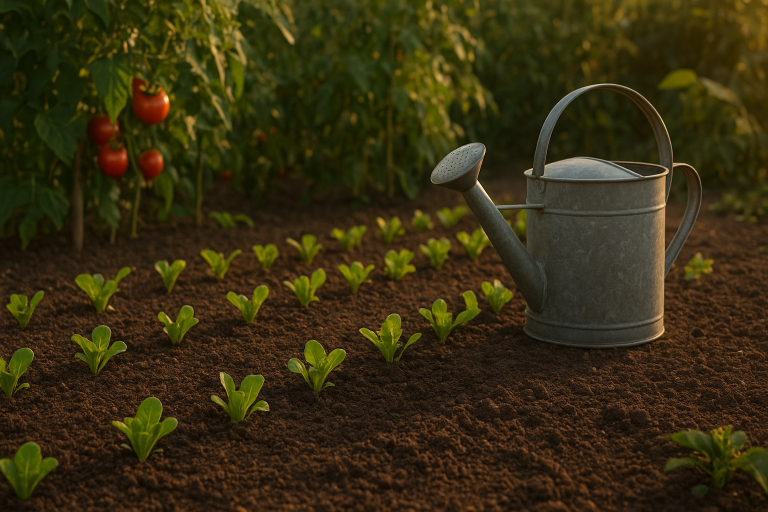
Consistent moisture is what keeps spinach tender. Dry spells can lead to slow growth, bitter leaves, and stress. Water gently and often until seedlings are established, then aim for steady moisture rather than soggy soil.
Once seedlings are a couple inches tall, add a thin layer of straw, shredded leaves, or fine mulch around the plants. Mulch helps keep soil cooler in late summer and reduces mud splashing onto the leaves.
How to Prevent Bolting
Spinach bolts when it shifts from leaf growth to flowering. Heat, long days, and stress can all push it in that direction. UMass Extension notes that hot temperatures and long summer days cause spinach to bolt, and UC IPM explains that bolting is tied to environmental conditions and plant maturity. ([umass.edu](https://www.umass.edu/agriculture-food-environment/vegetable/fact-sheets/spinach?utm_source=openai))
For a fall crop, your best prevention is good timing. Sow as the season is cooling, keep the bed evenly moist, and use temporary shade during hot afternoons. If a plant sends up a tall center stalk, harvest what you can and pull it. The leaves usually turn stronger and less tender after bolting begins.
Harvesting Fall Spinach
You can start picking once leaves are big enough to use. For a longer harvest, take the outer leaves first and leave the center growing point intact. This cut-and-come-again method lets plants keep producing.
For a larger harvest, cut the whole plant about an inch above the soil. If the weather stays mild and the crown is healthy, it may regrow for another smaller cutting.
Protecting Spinach from Frost
Spinach handles cool weather well. University of Maryland Extension notes that spinach tolerates frost and can be harvested into December with protection in some areas. Utah State University Extension also notes that spinach can overwinter if plants have 4 to 5 true leaves before winter sets in. ([extension.umd.edu](https://extension.umd.edu/resource/growing-spinach-home-garden?utm_source=openai))
When frost is in the forecast, cover plants with floating row cover, a low tunnel, or a cold frame. The goal is not to make the bed warm like summer; it is to soften temperature swings and protect leaves from harsh wind and ice.
Common Late-Summer Spinach Problems
- Poor germination: Soil is probably too hot or too dry. Chill seed, shade the row, and keep the surface moist.
- Leggy seedlings: They may need more light once sprouted. Remove shade covers promptly after germination.
- Yellow leaves: Plants may need nitrogen, or the bed may be staying too wet. Improve drainage and feed lightly if needed.
- Chewed leaves: Check undersides of leaves for caterpillars or slugs. Handpick pests and keep mulch from piling against stems.
The Bottom Line
To plant spinach in late summer, count back about 6 weeks from your first fall frost, chill the seed, sow shallowly in moist soil, and keep the bed shaded and damp until sprouts appear. Once cool weather arrives, spinach becomes one of the easiest and most rewarding fall crops in the garden.