How to Grow Buttercrunch Lettuce at Home
Buttercrunch lettuce is one of those garden crops that feels a little luxurious without being fussy. The leaves are tender, the flavor is mild and slightly sweet, and the heads are easy to harvest for sandwiches, salads, and wraps.
Best of all, Buttercrunch lettuce is a great choice for beginner gardeners because it grows fast and can be picked in stages. With the right timing and a few simple care habits, you can enjoy crisp homegrown lettuce for weeks.
What makes Buttercrunch lettuce a favorite?
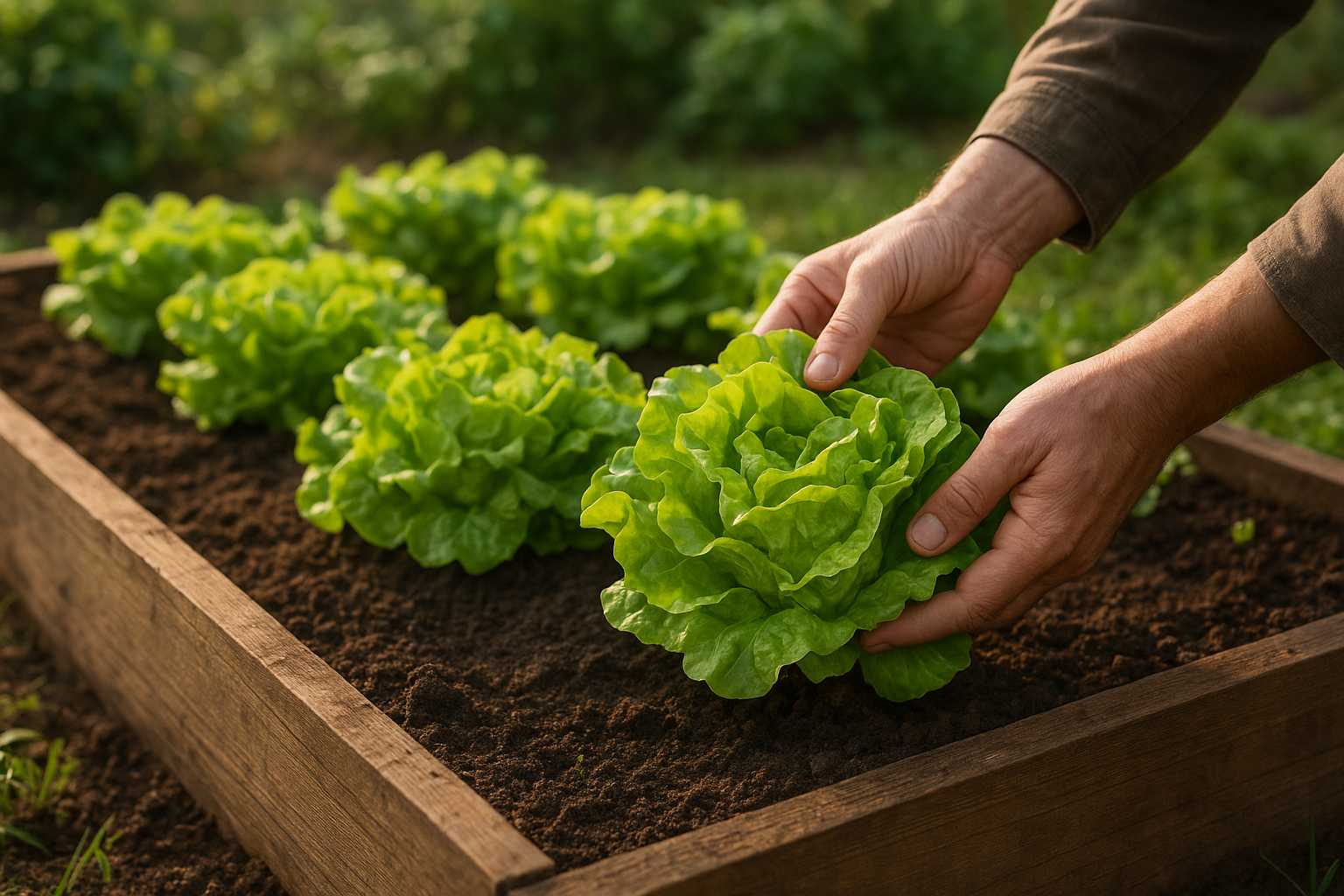
Buttercrunch is a butterhead-type lettuce, which means it forms a loose, soft head instead of a tight crisp one. The outer leaves are smooth and pliable, while the inner leaves stay pale, tender, and especially sweet. It has enough structure to hold up in salads, but it still feels delicate and fresh.
Gardeners like it because it handles cool weather well, matures fairly quickly, and can be grown in raised beds, in-ground gardens, or containers. If you have only a patio or balcony, it can still be a rewarding crop.
When to plant Buttercrunch lettuce
This is a cool-season plant, so timing matters. Buttercrunch grows best when temperatures are mild, typically in spring and fall. Once the weather turns hot, lettuce may become bitter or bolt, which means it sends up a flower stalk and stops producing tender leaves.
- Spring planting: Start as soon as the soil can be worked and daytime temperatures are consistently cool.
- Fall planting: Sow seeds in late summer for a fresh crop as temperatures ease down again.
- Summer strategy: In hot regions, grow it in part shade and choose the coolest part of the season.
If your area has short springs, starting seeds indoors or buying transplants can give you a head start.
How to plant Buttercrunch lettuce
Buttercrunch can be grown from seed or transplants. Seeds are inexpensive and easy, while transplants save time if you want an earlier harvest.
Planting from seed
- Choose a spot with full sun in cool climates or afternoon shade in warmer areas.
- Prepare loose, fertile soil that drains well.
- Sow seeds about 1/8 inch deep.
- Space seeds or seedlings 8 to 12 inches apart to give heads room to form.
- Keep the soil evenly moist until germination, which usually takes about 7 to 10 days.
Planting transplants
Set transplants into prepared soil at the same depth they were growing in their pots. Water them in well and protect them from harsh sun for a few days if the weather is warm.
For a steady supply, plant a small batch every two to three weeks during the cool growing season. Successive planting helps prevent that “all at once” harvest rush.
Soil, water, and feeding needs
Buttercrunch lettuce grows best in soil that is rich, loose, and able to hold moisture without staying soggy. A slightly acidic to neutral pH is ideal, but the most important thing is good drainage and plenty of organic matter.
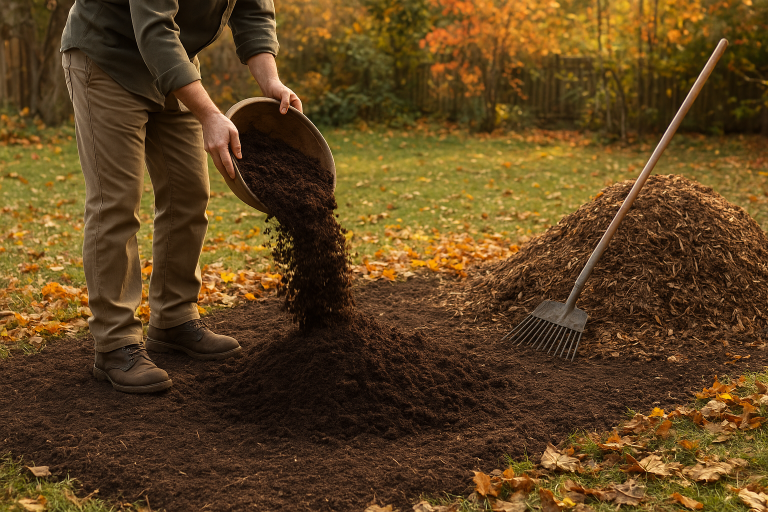
Before planting, work in compost to improve texture and fertility. Lettuce has shallow roots, so it appreciates a soil that stays consistently moist near the surface.
- Water: Aim for steady moisture. Dry spells can make the leaves tough or bitter.
- Mulch: A light layer of straw, shredded leaves, or fine compost helps hold moisture and keep soil cooler.
- Feeding: If your soil is average, a light compost top-dressing or diluted balanced fertilizer can help. Avoid overfeeding with too much nitrogen, which may produce overly soft growth.
Container growers should check moisture daily in warm weather, since pots dry out faster than garden beds.
Sunlight and temperature tips
Buttercrunch prefers cool conditions. In spring and fall, full sun often works well. In hotter climates or during a warm spell, too much direct sun can speed bolting. If temperatures begin climbing, give the plants some afternoon shade using a shade cloth, taller companion plants, or a naturally cooler location.
For the sweetest leaves, harvest before heat stress becomes a problem. Once the plant feels like it is racing to flower, the quality usually drops quickly.
Common problems and how to prevent them
Buttercrunch lettuce is relatively easygoing, but a few issues can appear in the garden. Most are simple to prevent with good timing and basic care.
- Bolting: Caused by heat or stress. Plant in cool weather and keep soil evenly moist.
- Slug damage: Slugs and snails love tender lettuce. Use traps, hand-picking, or barriers around plants.
- Aphids: Check the undersides of leaves. A strong spray of water can dislodge small infestations.
- Leaf rot: Crowded plants or poor airflow can create problems. Leave enough space between heads.
Healthy lettuce starts with simple habits: good airflow, cool roots, and regular watering.
Companion planting ideas
Buttercrunch lettuce fits neatly into many garden layouts. It works well near crops that do not grow too aggressively or shade it out.
- Good neighbors: carrots, radishes, strawberries, onions, and herbs like dill or cilantro
- Avoid crowding with: tall, spreading plants that block too much light or compete heavily for water
You can also tuck lettuce between slower-growing vegetables early in the season, then harvest it before the larger plants need the space.
How to harvest Buttercrunch lettuce
You can begin picking leaves once the plant is large enough to use, even before it forms a full head. This makes it an excellent crop for gardeners who want ongoing harvests.
Two easy harvest methods
- Leaf-by-leaf harvesting: Snip the outer leaves first and leave the center growing point intact. The plant can continue producing more leaves.
- Whole-head harvesting: When the head reaches a good size, cut it at the base with a clean knife. Harvest in the morning if possible for the crispest texture.
If you want the tenderest leaves, don’t wait too long. Mature lettuce can become more fibrous, especially as weather warms.
How to store your harvest
Fresh lettuce is best eaten soon after picking, but it can keep for several days if handled gently. Rinse the leaves only when you are ready to use them, or dry them very thoroughly before storing.
To store harvested Buttercrunch lettuce:
- Wrap it loosely in a clean paper towel
- Place it in a breathable bag or container
- Keep it in the refrigerator’s crisper drawer
- Avoid packing it tightly, which can bruise the leaves
For the best texture, use it within a few days. The earlier you harvest, the better the flavor and crunch.
Growing Buttercrunch lettuce in containers
If garden space is limited, Buttercrunch is a smart container crop. Choose a pot that is at least 6 to 8 inches deep, with drainage holes at the bottom. Use a quality potting mix that retains moisture but does not stay waterlogged.
Container-grown lettuce needs more frequent watering and a bit more attention in hot weather, but it can produce excellent results on a porch, balcony, or sunny step. A wide planter can hold several plants with enough spacing for good airflow.
Quick growing checklist
- Plant in cool weather
- Give plants rich, well-draining soil
- Keep moisture steady
- Provide afternoon shade in hot conditions
- Harvest often to encourage tender growth
With a little planning, Buttercrunch lettuce can become one of the most reliable and satisfying vegetables in your garden. It grows quickly, tastes fresh, and makes even a small harvest feel like a win.