Your Birth Month Mushroom and What It Says About You
If you love a bit of nature-based personality fun, a birth month mushroom is a charming way to match each month with a fungi that fits its mood. Some are bold and colorful, some quietly reliable, and others appear only when the conditions are just right.
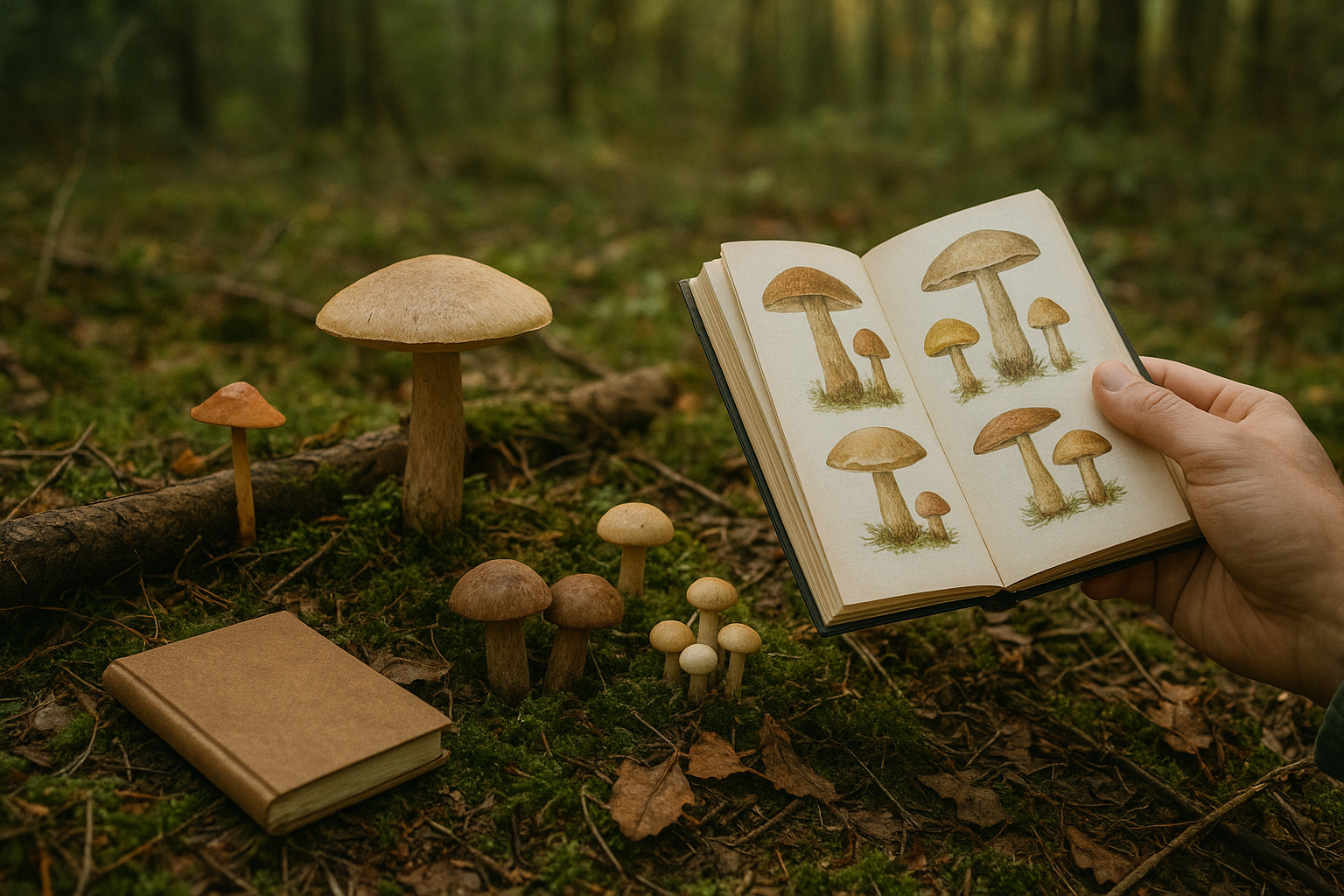
This is a playful guide rather than a scientific personality test, but it can still be a lovely way to notice the seasons, learn a little mushroom lore, and appreciate the different species you might see in gardens, woodlands, or on a woodland walk. If you forage, always use a trusted local field guide and never eat a wild mushroom unless you are 100% certain of its identity.
What is a birth month mushroom?
A birth month mushroom pairs each month of the year with a species that reflects a mood, season, or growth habit. Winter mushrooms often suggest resilience, spring fungi can feel hopeful and fresh, and autumn species usually bring a rich, earthy energy. Think of it as a fun nature-themed match rather than a fixed rule.
Below, you will find 12 mushrooms, one for each month, along with a few practical notes on how they grow and why they fit the month. Where a mushroom is edible, that does not mean it is safe to pick without expert identification. Many edible species have dangerous lookalikes.
All 12 birth month mushrooms
January – Velvet shank
The velvet shank is a true cold-weather survivor. It can appear on dead wood during frosty months, which makes it a fitting match for January: steady, tough, and able to keep going when conditions are harsh.
- Where it grows: On stumps, logs, and buried wood.
- Why it fits: Calm endurance and quiet strength.
- Garden note: Mushrooms on wood are often part of natural decomposition, which helps recycle nutrients back into the soil.
February – Scarlet elf cup
Bright red and easy to spot, scarlet elf cup feels like a burst of color in a leafless season. It suits February because it brings a little surprise and optimism when the garden still looks dormant.
- Where it grows: Moist, shaded woodland ground and rotting wood.
- Why it fits: Cheerful, eye-catching, and a little whimsical.
- Garden note: Leaf litter and dead wood create important habitat for fungi and insects.
March – Morel
Morels are one of spring’s most anticipated fungi, often appearing as the weather begins to shift. March matches their sense of timing: alert, fresh, and ready for a new season.
- Where it grows: Disturbed soils, wooded edges, and sometimes burned ground in some regions.
- Why it fits: Resourceful and a little mysterious.
- Practical tip: Morels are prized for cooking, but correct identification is essential because some lookalikes are toxic.
April – Oyster mushroom
April is a month of growth, and oyster mushrooms are known for their generous clusters and adaptable nature. They often appear after rain and are also popular for home growing kits.
- Where it grows: Dead or dying hardwoods.
- Why it fits: Adaptable, cooperative, and abundant.
- Home tip: Oyster mushrooms are one of the easiest fungi to grow indoors if you want a beginner-friendly project.
May – St. George’s mushroom
Named for its springtime appearance, St. George’s mushroom suits May with its dependable arrival and grounded feel. It is a classic sign that the season is moving into fuller growth.
- Where it grows: Grassland, verges, and open areas.
- Why it fits: Reliable, practical, and seasonal.
- Garden note: Grassland fungi benefit from less-frequent mowing in some areas, especially where wildlife-friendly planting is encouraged.
June – Fairy ring mushroom
June often feels magical outdoors, which makes fairy ring mushroom a lovely fit. Its appearance in rings across lawns and meadows gives it a storybook quality.
- Where it grows: Lawns, meadows, and grassy areas.
- Why it fits: Imaginative, social, and a little enchanting.
- Practical tip: Fairy rings can return for years, so treat them as part of the landscape rather than a problem to “fix” quickly.
July – Chicken of the woods
Bold and striking, chicken of the woods brings summer drama. July suits it well because it stands out, takes up space, and is impossible to ignore.
- Where it grows: On living or dead trees, especially hardwoods.
- Why it fits: Confident, expressive, and memorable.
- Important note: Never rely on appearance alone; some tree-growing fungi should not be eaten.
August – Hedgehog mushroom
August is a month of late-summer abundance, and the hedgehog mushroom feels grounded and dependable. Its underside has soft spines rather than gills, which makes it easy to remember once you have seen it.
- Where it grows: Woodland soil, especially in mixed forests.
- Why it fits: Unpretentious and quietly distinctive.
- Foragers’ tip: Check texture, habitat, and smell with a reliable guide before considering any edible species.
September – Parasol mushroom
September brings structure and transition, and the parasol mushroom reflects that well. Its tall stem and broad cap give it a graceful, elegant shape.
- Where it grows: Grass, edges of woodlands, and open ground.
- Why it fits: Poised, versatile, and seasonally aware.
- Garden tip: Leave some undisturbed corners in the garden so wildlife and fungi have space to establish.
October – Fly agaric
Few mushrooms are more iconic than the red-and-white fly agaric, which makes October an easy match. It has classic autumn energy: vivid, dramatic, and unmistakable from a distance.
- Where it grows: Woodlands, often near birch, pine, or spruce.
- Why it fits: Bold, theatrical, and unforgettable.
- Safety note: This is a poisonous mushroom and should never be eaten.
November – Wood ear
Wood ear fits November’s damp, cool days. It often grows on dead wood and has an understated look that rewards anyone who pays close attention.
- Where it grows: Elder and other decaying hardwoods.
- Why it fits: Observant, flexible, and resilient.
- Practical note: Mushrooms that appear after wet weather can be easy to overlook, so slow down on walks and look at tree trunks carefully.
December – Shiitake
Shiitake suits December because it feels comforting, dependable, and deeply rooted in home cooking. It is also widely grown on logs, which makes it a great example of how fungi can be cultivated in a practical way.
- Where it grows: Traditionally on hardwood logs; also grown commercially and at home.
- Why it fits: Nourishing, dependable, and well-loved.
- Home tip: If you want to grow mushrooms at home, shiitake log kits can be a rewarding long-term project.
How to choose your own mushroom match
If you want to make this idea more personal, pick the mushroom that best matches your habits instead of your birth month. You might choose the one that reflects how you handle challenges, how you show up in a group, or what kind of season you feel most at home in.
- Resilient and adaptable: velvet shank or oyster mushroom
- Bright and attention-grabbing: scarlet elf cup or chicken of the woods
- Quiet and observant: wood ear or hedgehog mushroom
- Rooted in tradition: shiitake or St. George’s mushroom
Safe mushroom tips for garden walkers
Mushrooms are fascinating, but safety matters. Many edible species have dangerous lookalikes, and some poisonous mushrooms are deceptively attractive. A few simple habits can keep your exploring enjoyable.
- Never eat an unidentified wild mushroom.
- Use a local field guide. Regional species can vary a lot.
- Check the habitat. Some mushrooms grow on wood, others in grass or soil.
- Look at the whole fungus. Cap, stem, underside, smell, and surroundings all matter.
- Teach children to look, not taste. This is especially important in gardens and parks.
Bring the fungi mood into your garden
You do not need to forage to enjoy mushrooms. A healthy garden with shade, leaf litter, logs, and mulch often supports a rich mix of fungi and other beneficial organisms. That does not mean you should encourage unknown mushrooms near pets or children’s play areas, but it does mean that a little natural mess can be good for biodiversity.
If you like the look of mushrooms, you can also use them as inspiration for seasonal decor, sketching, or a home-growing project with a reputable kit. That way, you get the charm of fungi with a safer and more controlled setup.
In short: your birth month mushroom is a fun way to connect personality, season, and the natural world. Whether yours is bold, subtle, hardy, or magical, it is a reminder that every month has its own kind of beauty.