
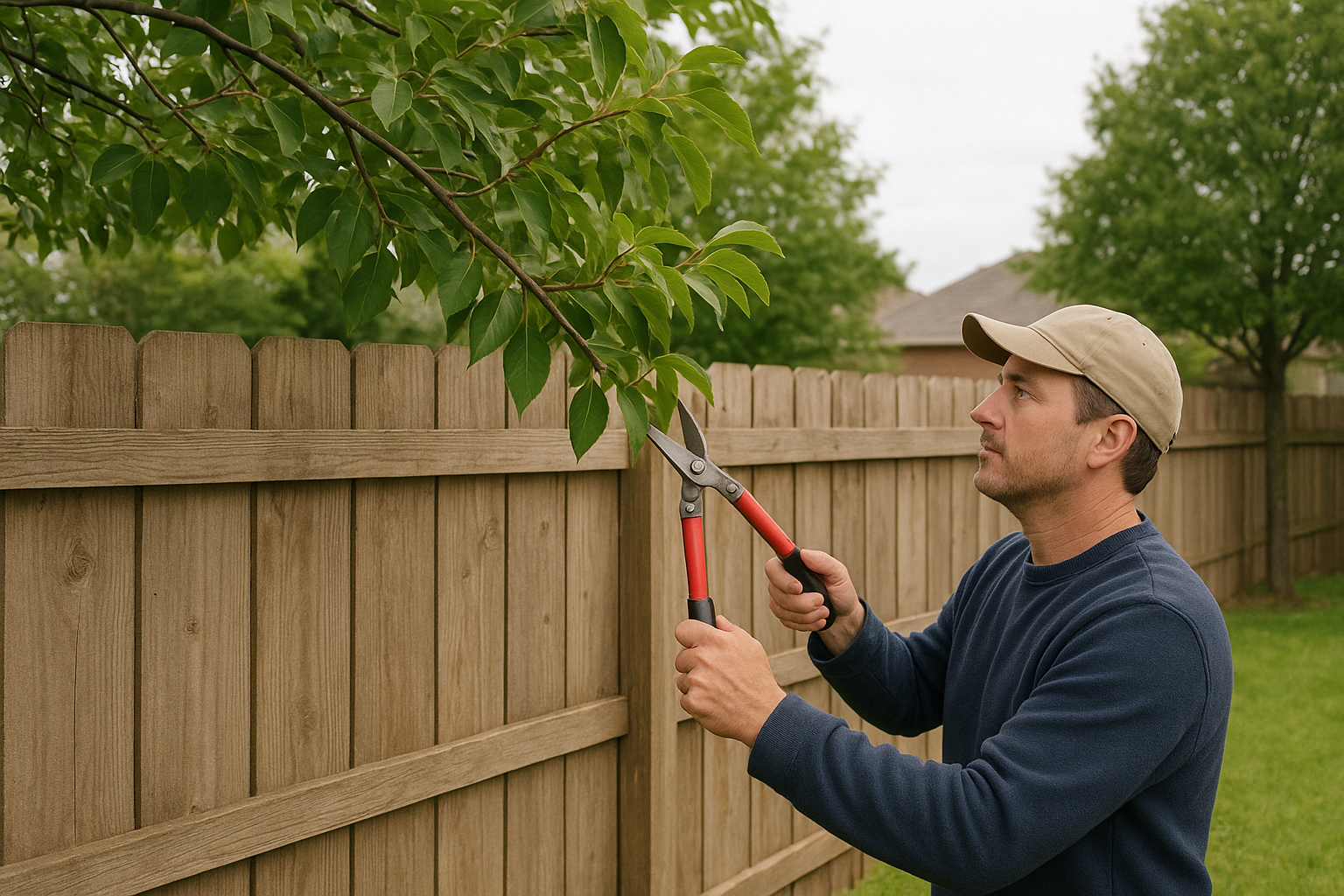
Can You Trim a Neighbor’s Tree Overhanging Your Yard?
If a neighbor’s tree is dropping leaves, blocking light, or stretching branches into your yard, it’s tempting to take matters into your own hands. But before you start cutting, it helps to know where your rights usually begin and end.
The short answer to can you trim a neighbor’s tree overhanging your yard is often yes, but with important limits. The safest approach is to focus on what crosses your property line, avoid damaging the tree, and check local rules first.
Start With the Property Line
The first question is simple: does the branch, root, or trunk actually extend onto your property? In many places, you’re generally allowed to remove parts of a neighbor’s tree that are physically encroaching into your space. That usually means trimming only up to the property line, not beyond it.
If you’re not sure where the line is, don’t guess. A fence is not always the legal boundary. Old surveys, misplaced posts, and landscaped edges can all be misleading. If the tree issue is serious, reviewing your property survey or hiring a surveyor may save you from an expensive dispute.
What You Can Usually Trim
In many areas, homeowners can prune:
- Branches hanging over a fence or into the yard
- Roots pushing into lawns, beds, or hardscape
- Growth blocking access to a path or structure
Even then, the key word is reasonable. You’re usually expected to trim only what enters your space and do so in a way that does not seriously harm the tree.
What not to do
Stay away from actions that could create liability, such as:
- Cutting the tree’s trunk or major limbs on your neighbor’s side
- Topping or severely reshaping the tree
- Damaging the tree so it declines or dies
- Climbing onto the neighbor’s property without permission
If a tree dies after your pruning, you could be responsible for the damage, especially if your cuts were careless or excessive.
Check Local Rules Before You Cut
Tree rules are not the same everywhere. City ordinances, homeowners association rules, and local tree-protection laws may all apply. Some neighborhoods have restrictions on pruning certain species, and some towns require permits for removing major limbs or working on protected trees.
This matters even if the tree is technically on your neighbor’s property. A protected oak, a heritage tree, or a tree near a utility line may be subject to special rules. If the branches are large or the tree is mature, it’s smart to call your city’s code office or a certified arborist before you trim anything.
Why Talking to Your Neighbor Helps
Good communication can prevent a simple yard issue from turning into a long-term feud. In many cases, your neighbor may not realize the tree is causing a problem on your side. They may even agree to have it pruned professionally or split the cost with you.
When you bring it up, be specific and calm. Instead of saying, “Your tree is ruining my yard,” try:
- “A few branches are hanging over my patio and dropping debris.”
- “Would you be open to trimming the limbs that cross the fence line?”
- “I’d like to have an arborist take a look before the next storm season.”
That approach keeps the conversation focused on the issue instead of turning it into a blame game.
How to Trim Safely If It’s Allowed
Even when the law allows you to trim overhanging branches, the job still needs to be done carefully. Use sharp tools, make clean cuts, and avoid removing more than necessary. If the branch is thick, high, or near power lines, hire a professional.
Before you start, ask yourself these questions:
- Can I do this from my side of the property line?
- Do I know which branches are safe to cut?
- Will the pruning leave the tree lopsided or unstable?
- Could falling limbs damage my roof, fence, or garden?
If the answer to any of those is no, professional help is worth the cost.
Use the right tools
For small branches, bypass pruners or loppers may be enough. For larger limbs, use a pruning saw. Make sure tools are clean and sharp to reduce tearing and disease spread. If you’re pruning multiple trees, disinfect blades between cuts, especially if the tree shows signs of disease.
Watch for Roots, Too
Overhanging branches get most of the attention, but roots can also cause trouble. In some places, you may be allowed to cut roots that cross onto your property, but root pruning can be risky. Roots help anchor and feed the tree, so cutting too many can weaken it or make it unstable.
Root issues are especially common near sidewalks, driveways, and retaining walls. If the roots are lifting pavement or interfering with irrigation, a certified arborist can advise you on whether pruning, root barriers, or another solution is best.
When to Call a Professional
Hire an arborist or tree service if:
- The branches are high off the ground
- The tree is large, old, or leaning
- Power lines are nearby
- You suspect the tree is diseased or dead
- The pruning may affect the tree’s structure
A professional can also document the work, which is useful if there’s later disagreement about what was done and why.
Practical Ways to Reduce Future Problems
If you are on good terms with your neighbor, a little planning can prevent repeated conflict. Consider these steps:
- Request seasonal pruning before limbs become a nuisance
- Ask about planting choices if a new tree is being added near the fence
- Keep records of conversations and agreements
- Take dated photos of problem branches before any work begins
For your own landscape, choose trees with mature size in mind. A sapling that looks harmless now may become a shade monster in ten years if it’s planted too close to a boundary.
The Bottom Line
If you’ve been wondering can you trim a neighbor’s tree overhanging your yard, the answer is often yes for the parts that cross into your property, but only with care. Stay on your side of the line, avoid harming the tree, and check local regulations before making a cut.
When in doubt, start with a conversation and end with an arborist. That approach protects your yard, your wallet, and your relationship with the people next door.