How to Get Rid of Fruit Flies in the Kitchen
Fruit flies can make a clean kitchen feel dirty fast. The good news is that getting rid of them is usually less about spraying and more about removing the tiny food sources and damp spots where they breed.
This guide walks you through a simple kitchen reset: identify the flies, trap the adults, clean the likely breeding spots, and keep them from coming back.
First, Make Sure They Are Fruit Flies
Most people call any tiny kitchen fly a fruit fly, but a few pests look similar. Fruit flies are small, often tan or brownish, and tend to hover around ripe fruit, wine, vinegar, trash, recycling, and sticky spills. University of Maryland Extension notes that fruit flies are mainly controlled through sanitation because they breed around fermenting food and liquids. ([extension.umd.edu](https://www.extension.umd.edu/resource/fruit-flies?utm_source=openai))
If the flies look fuzzy or moth-like and are hanging around sink or shower drains, you may be dealing with drain flies. If they are coming from houseplant soil, they may be fungus gnats. The steps below still help with general kitchen cleanup, but the source matters.
What You’ll Need
- Apple cider vinegar or a splash of wine
- Small jar, glass, or ramekin
- Dish soap
- Plastic wrap or a paper funnel
- Trash bags
- Dish brush or old toothbrush
- Paper towels or microfiber cloth
- Enzyme or biological drain cleaner, optional
Step 1: Remove the Breeding Sources
A trap catches adult flies, but it will not solve the problem if eggs and larvae are still sitting in a banana peel, sticky recycling bin, or damp drain gunk. Start with a 15-minute sweep of the kitchen.
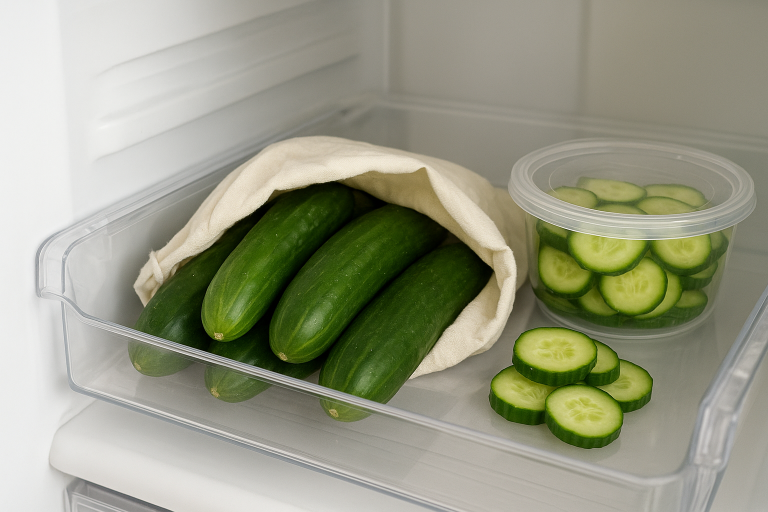
- Check fruit and vegetables. Toss anything split, leaking, moldy, or overripe. Move ripe fruit to the refrigerator for a week while you get the problem under control.
- Empty the trash. Take the bag outside, then wipe the inside rim and bottom of the can. Fruit juice and onion skins often hide under the liner.
- Rinse recycling. Bottles and cans should be rinsed and drained before they sit in a bin. This is one of the prevention steps recommended by University of Maryland Extension. ([extension.umd.edu](https://www.extension.umd.edu/resource/fruit-flies?utm_source=openai))
- Clean under small appliances. Lift the toaster, blender base, coffee maker, and fruit bowl. Wipe crumbs, syrupy spots, and coffee drips.
- Wash dishcloths and sponges. A sour sponge or wet rag can be enough to keep small flies interested.
Step 2: Set a Simple Vinegar Trap
Once the food sources are gone, use a trap to knock down the adults that are already flying around. This is not fancy, but it is cheap and effective.
Jar-and-plastic-wrap trap
- Pour 2 to 3 tablespoons of apple cider vinegar into a small jar.
- Add one drop of dish soap and swirl gently. Do not make a lot of bubbles.
- Cover the jar tightly with plastic wrap.
- Poke several small holes in the top with a toothpick.
- Set the trap near the fruit bowl, trash can, or sink, but away from open food prep areas.
The vinegar attracts the flies, and the soap helps break the surface tension so they sink when they land. If you do not have apple cider vinegar, a bit of red wine, old beer, or wine vinegar can also work.
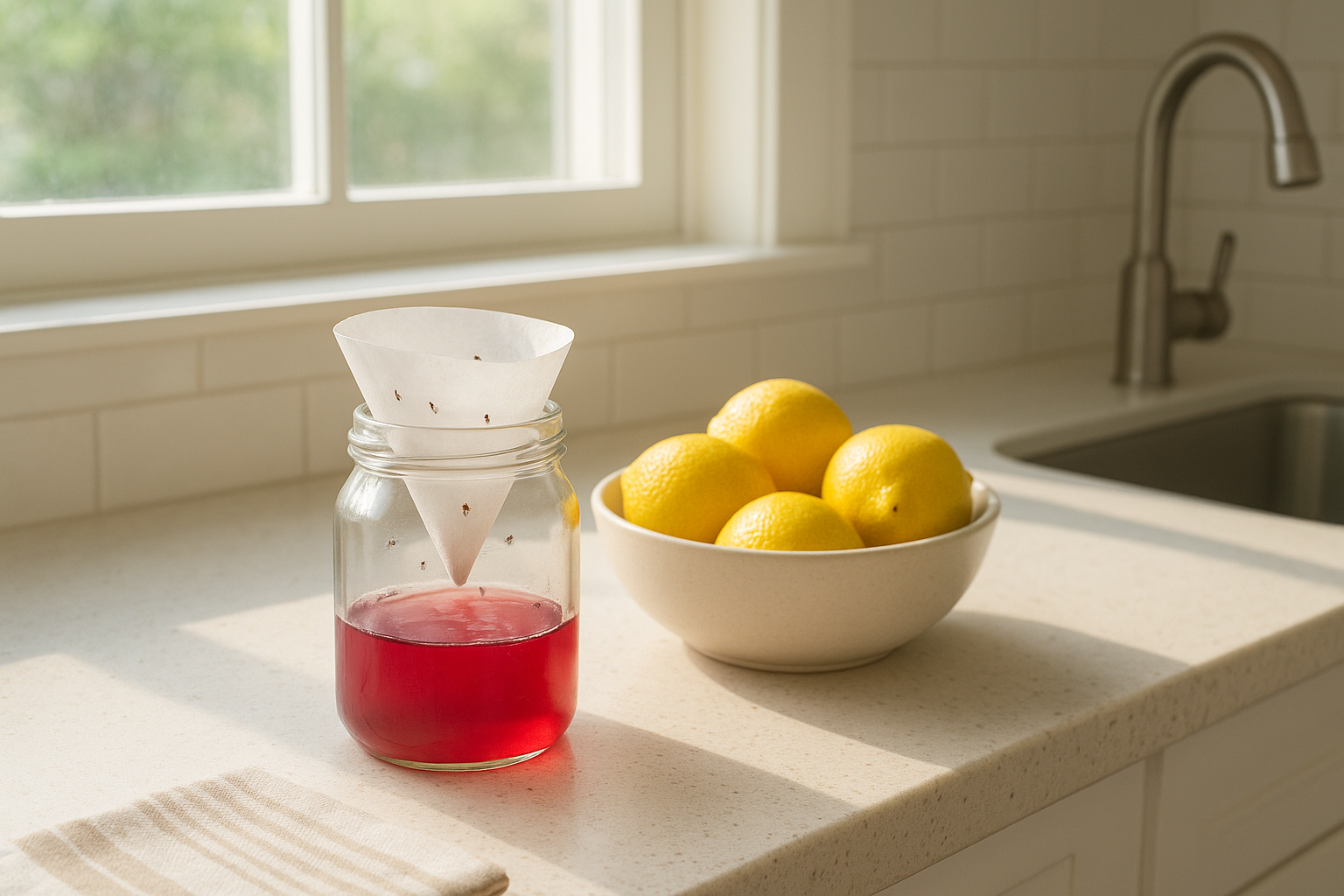
Paper funnel trap
If you prefer not to use plastic wrap, roll a piece of paper into a cone and set it into the mouth of a jar with the narrow end pointing down. Leave a small opening at the bottom of the cone, but do not let it touch the liquid.
Step 3: Don’t Forget the Sink Drain
Kitchen drains are a common hiding place because bits of food, grease, and organic buildup collect inside the pipe and disposal splash guard. Even when true fruit flies are coming from produce, a dirty drain can keep the problem going.
Start by scrubbing the visible parts. Remove food from the sink strainer, clean the underside of the stopper, and scrub around the drain opening with dish soap and a brush. If you have a garbage disposal, lift the rubber splash guard gently and scrub the folds where grime collects.
For drain-fly problems, University of Minnesota Extension notes that removing organic material is key and says hot or boiling water, bleach, and chemical drain cleaners are not effective long-term solutions for the buildup that supports these flies. A biological drain cleaner can help break down the organic material. ([extension.umn.edu](https://extension.umn.edu/nuisance-insects/flies?utm_source=openai))
Safety note: Do not mix bleach, vinegar, ammonia, or drain cleaners. If you use any commercial drain product, follow the label and use only one product at a time.
Step 4: Run a Three-Day Kitchen Reset
Fruit flies do not disappear instantly, even after a good cleanup. Give yourself three days of consistent habits so the adults are trapped and the breeding spots dry out.
Morning
- Check traps and refresh them if they are full or no longer smell vinegary.
- Wipe counters after breakfast.
- Rinse the sink and remove food scraps from the strainer.
Evening
- Wash dishes or load the dishwasher before bed.
- Take out trash that contains fruit peels, corn cobs, meat scraps, or sticky packaging.
- Dry the sink area and hang dishcloths so they can dry fully.
- Put ripe fruit in the refrigerator overnight.
If you still see a lot of flies after three days, you probably missed a source. Check less obvious places: a potato bag in the pantry, a forgotten lunchbox, a mop bucket, the drip tray under the refrigerator water dispenser, a can return bag, or a compost pail lid.
Common Mistakes That Keep Fruit Flies Around
- Only setting traps. Traps help, but sanitation is the real fix.
- Leaving one bad piece of produce. A single split peach or soft potato can restart the whole problem.
- Ignoring recycling. Beer cans, wine bottles, soda cans, and juice containers are major attractants if not rinsed.
- Keeping compost too long indoors. Empty countertop compost daily during warm weather, or store scraps in the freezer until pickup or outdoor composting.
- Using sprays near food. Sprays may kill visible adults, but they do not remove eggs, larvae, or the source.
How to Prevent Fruit Flies from Coming Back
Once the kitchen is clear, prevention is mostly about small routines. Buy only the produce you can use before it softens. Store ripe peaches, berries, tomatoes, and cut fruit in the refrigerator. Wipe jars of honey, syrup, jam, and vinegar before putting them away.
If you keep a countertop compost container, choose one with a tight-fitting lid and wash it often. Empty it more frequently in summer, especially after adding melon rinds, banana peels, or tomato scraps. Keep trash can lids and recycling bins clean, not just empty.
It also helps to do a weekly sink reset: scrub the drain opening, clean the stopper, wash the garbage disposal splash guard, and run the disposal with plenty of cold water if you have one. The goal is to remove residue before it becomes a food source.
When to Call a Professional
Most fruit fly problems can be handled with cleanup and traps. Consider calling a pest professional if you have heavy fly activity for more than two weeks despite thorough cleaning, if the flies appear to be coming from multiple drains, or if you suspect a plumbing leak or hidden moisture problem.
For a normal kitchen outbreak, though, the best plan is simple: remove fermenting food, clean the wet and sticky spots, trap the adults, and keep the kitchen dry overnight. Do those things consistently, and the fruit flies should fade quickly.