How to Keep Groundhogs Out of Your Garden for Good
Groundhogs can turn a thriving vegetable garden into a buffet almost overnight. If you’ve noticed clipped bean vines, missing lettuce, or a burrow near your beds, you’re probably dealing with one determined visitor.
The good news is that you do not have to rely on one magic fix. The most effective approach combines prevention, exclusion, and a few smart landscaping choices that make your garden much less attractive in the first place.
Why groundhogs are such a problem
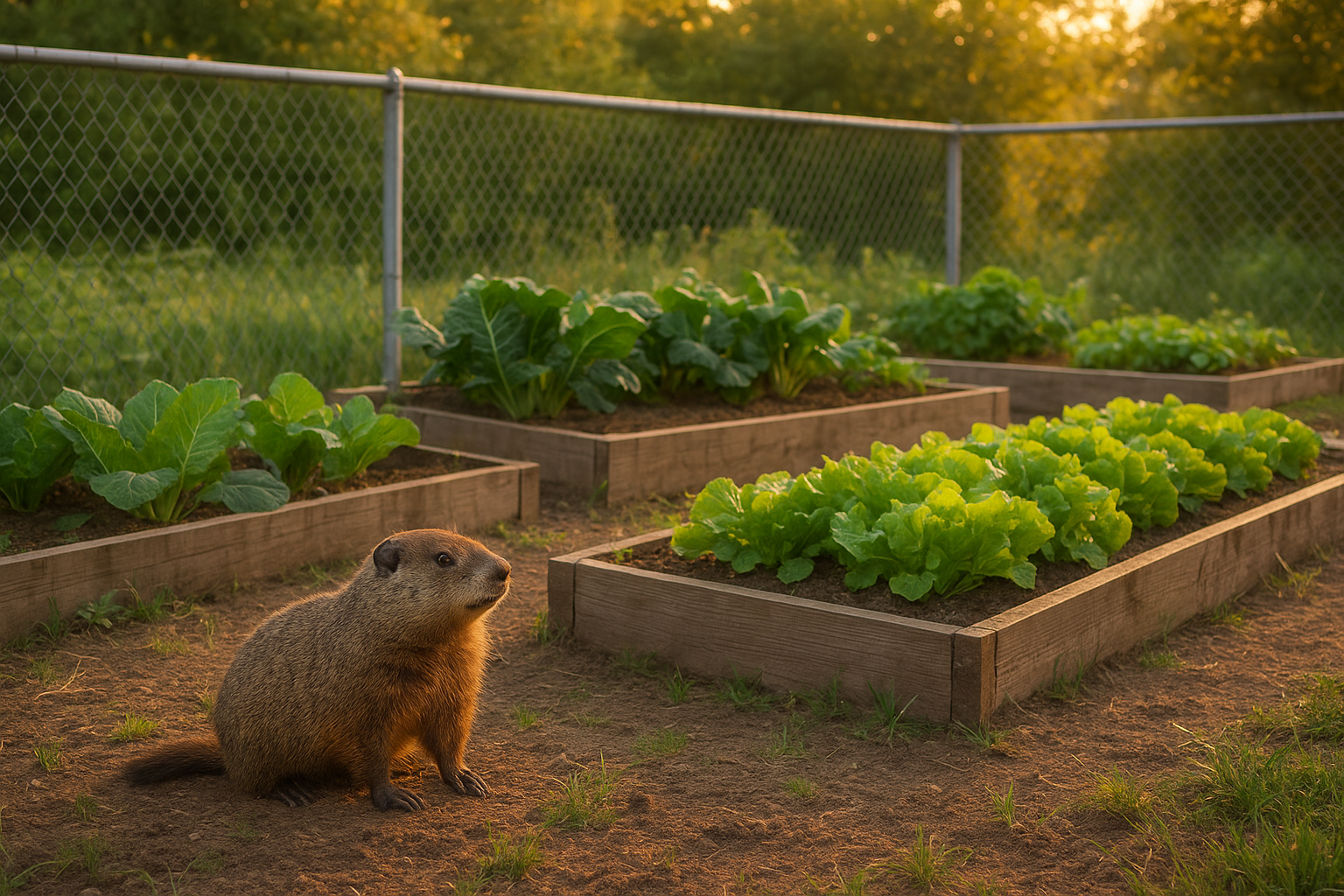
Groundhogs, also called woodchucks, are large burrowing rodents that eat a wide range of garden plants. They especially like tender vegetables such as peas, beans, kale, broccoli, lettuce, squash, and sweet corn. They can also damage roots, undermine fence posts, and create tunnels that weaken the ground around sheds, patios, and paths.
Unlike some pests that come and go, a groundhog that settles near your garden may return daily. That means the earlier you act, the easier it is to protect your plants.
Start with the strongest defense: fencing
If you want the most reliable answer to how to keep groundhogs out of your garden, fence design matters more than anything else. A flimsy barrier or a short decorative fence usually won’t do the job.
What kind of fence works best?
Use sturdy welded wire or hardware cloth with openings small enough that a groundhog cannot squeeze through. Chicken wire is not ideal for long-term protection because it can bend and weaken easily.
- Height: At least 3 to 4 feet tall.
- Bottom depth: Bury the fence 12 to 18 inches underground.
- Top design: Add an outward-facing angle or an overhang if possible to discourage climbing.
- Gate gaps: Keep openings tight. A fence is only as good as its weakest point.
For smaller plots, enclosing the entire garden is usually more effective than fencing individual plants. Groundhogs are strong diggers, so make sure the buried section is secure and continuous.
Use an underground barrier
Groundhogs are famous for digging. To stop them, the fence should extend below the surface and ideally bend outward in an L-shape at the bottom. This creates a barrier that is harder to dig under. If you are planting in raised beds, you can line the bottom with hardware cloth before adding soil for an extra layer of protection.
Make the garden less welcoming
Even with fencing, it helps to reduce what attracts groundhogs in the first place. These animals prefer cover, easy access, and dependable food sources.
Trim hiding places
Groundhogs like to move through brushy, sheltered areas. Keep grass mowed, trim tall weeds, and remove piles of lumber, rocks, or debris near the garden edge. If there is a shed, deck, or wood stack close by, inspect for burrow openings underneath.
Clear temptation
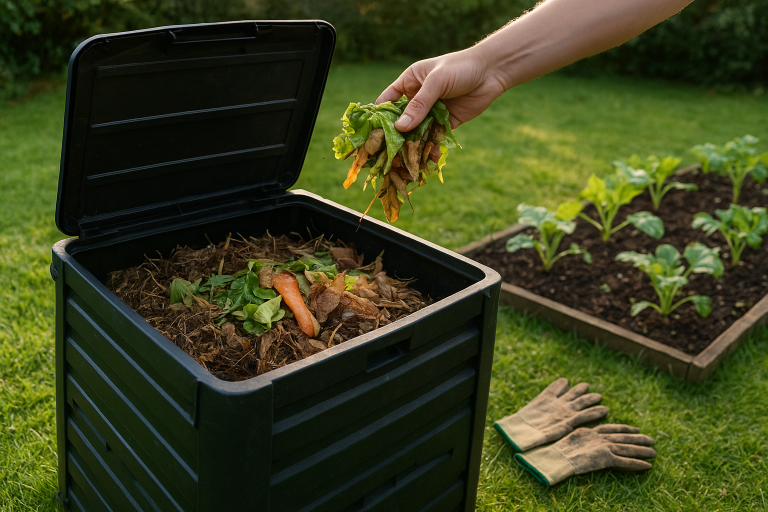
Harvest vegetables as soon as they are ready. Overripe produce, dropped fruit, and compost scraps can encourage repeat visits. If you compost kitchen waste, use a secure bin rather than an open pile.
It can also help to plant the most vulnerable crops closer to your house or in a fenced area rather than along a woodland edge, hedge, or fence line where wildlife already feels comfortable.
Protect individual plants
If you are not ready to fence the whole garden, you can still shield specific crops.
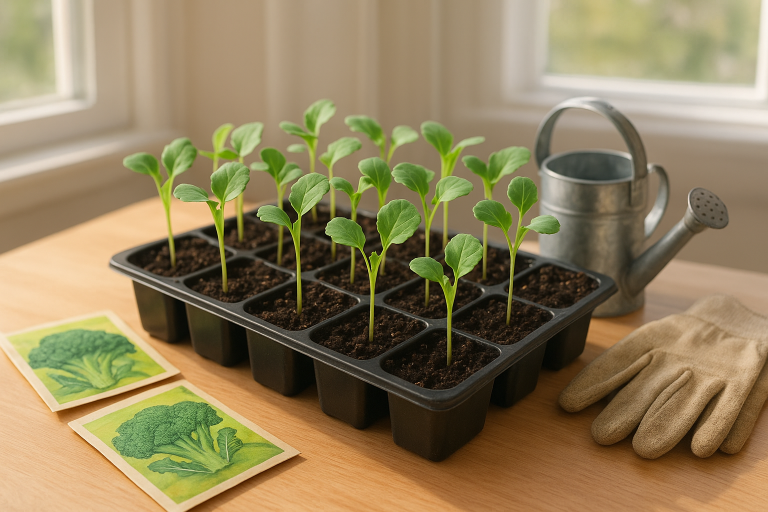
- Use cloches or mesh covers for young seedlings.
- Build mini cages around tempting plants like beans or brassicas.
- Cover fresh transplants until they are established.
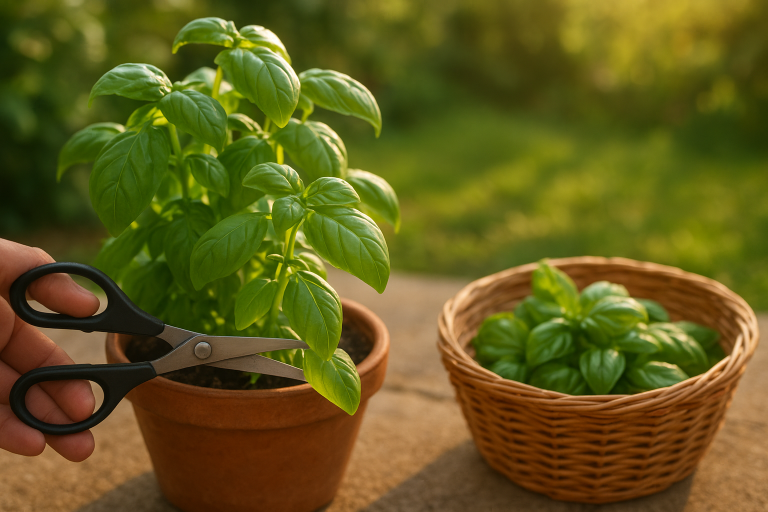
- Move container herbs and greens onto a deck, patio, or table if groundhog pressure is high.
These methods are especially useful early in the season when a single grazing visit can remove an entire planting.
Repellents: useful, but not enough on their own
Repellents can help, but they usually work best as part of a larger plan. Most need frequent reapplication, especially after rain or heavy watering. Their effectiveness can also vary depending on how hungry the animal is and how many food options are nearby.
Common repellent strategies
- Commercial repellents: Products designed for wildlife may discourage feeding when applied according to label directions.
- Strong scents: Some gardeners use odor-based deterrents near vulnerable beds, though results are inconsistent.
- Motion-activated sprinklers: These can startle groundhogs and make a garden feel unsafe.
If you try a repellent, think of it as a reminder for the animal to move along, not a permanent solution. Pair it with fencing or habitat changes for better results.
Watch for burrows and act early
One of the clearest signs of a groundhog problem is a burrow entrance, often near a fence, shed, rock wall, or embankment. The entrance may be about the size of a softball or larger, with a mound of fresh dirt nearby.
If you spot a burrow:
- Observe first. Make sure it is inactive before you do anything.
- Look for trails and feeding damage. This helps you identify the most used entry points.
- Block access only when you’re sure it’s empty. Sealing an active burrow can cause bigger problems.
Because burrows can have multiple exits and chambers, it is often best to contact local wildlife professionals if you are unsure how to proceed. Rules about wildlife removal vary by location, so check your local regulations before trapping or closing off a burrow.
Use plant choices to your advantage
Some plants are simply more tempting than others. While no plant is completely groundhog-proof, you can reduce risk by placing your favorites strategically.
- Plant highly favored crops in the most protected area you have.
- Put less appealing plants along the outer edges of the garden.
- Mix crops with herbs and flowers to avoid creating a large, easy meal in one place.
Gardeners often find that groundhogs are drawn to tender, leafy growth first. That means succession planting and protecting young plants can make a big difference.
What not to rely on
There are plenty of quick fixes advertised for wildlife control, but not all of them are dependable. Noise makers, random household smells, and scare tactics may work briefly, then lose their effect once the animal realizes nothing dangerous is happening.
Also avoid methods that could harm pets, beneficial wildlife, or the soil. A safe, layered approach is usually better than a harsh one that creates new problems.
A practical seasonal plan
If groundhogs are a recurring issue, it helps to think in seasons.
In early spring
- Inspect for burrows and damage.
- Repair fencing before seedlings go in.
- Protect new plantings with covers or cages.
During the growing season
- Harvest frequently.
- Keep weeds and grass trimmed.
- Reapply repellents if you’re using them.
- Check fence lines for gaps, lifted wire, or digging.
In fall
- Clean up fallen produce and plant debris.
- Make repairs before winter.
- Plan fencing upgrades for next year if needed.
Staying ahead of the problem usually takes less work than recovering from repeated damage.
When to call a professional
If the groundhog keeps returning, has created a large burrow system, or is damaging structures as well as the garden, a wildlife control expert may be the safest next step. A professional can help assess the situation, identify legal removal options, and recommend repairs to keep animals from coming back.
For many gardeners, the winning formula is simple: secure fencing, fewer hiding places, protected crops, and steady monitoring. Once you close off easy access, most groundhogs will move on to a more convenient meal.
With a little planning, you can keep your garden productive and protect the plants you worked so hard to grow. The key is to think like the groundhog: find the easiest entry points, the tastiest crops, and the safest cover, then remove as many of those advantages as you can.