Use Coffee Filters to Dry Seeds Without the Mess
Saving seeds is one of the smartest ways to stretch your garden budget and preserve the plants you love most. But if you’ve ever tried to dry tomato or cucumber seeds on paper towels, you already know the downside: the seeds can stick so tightly that half your harvest comes away damaged.
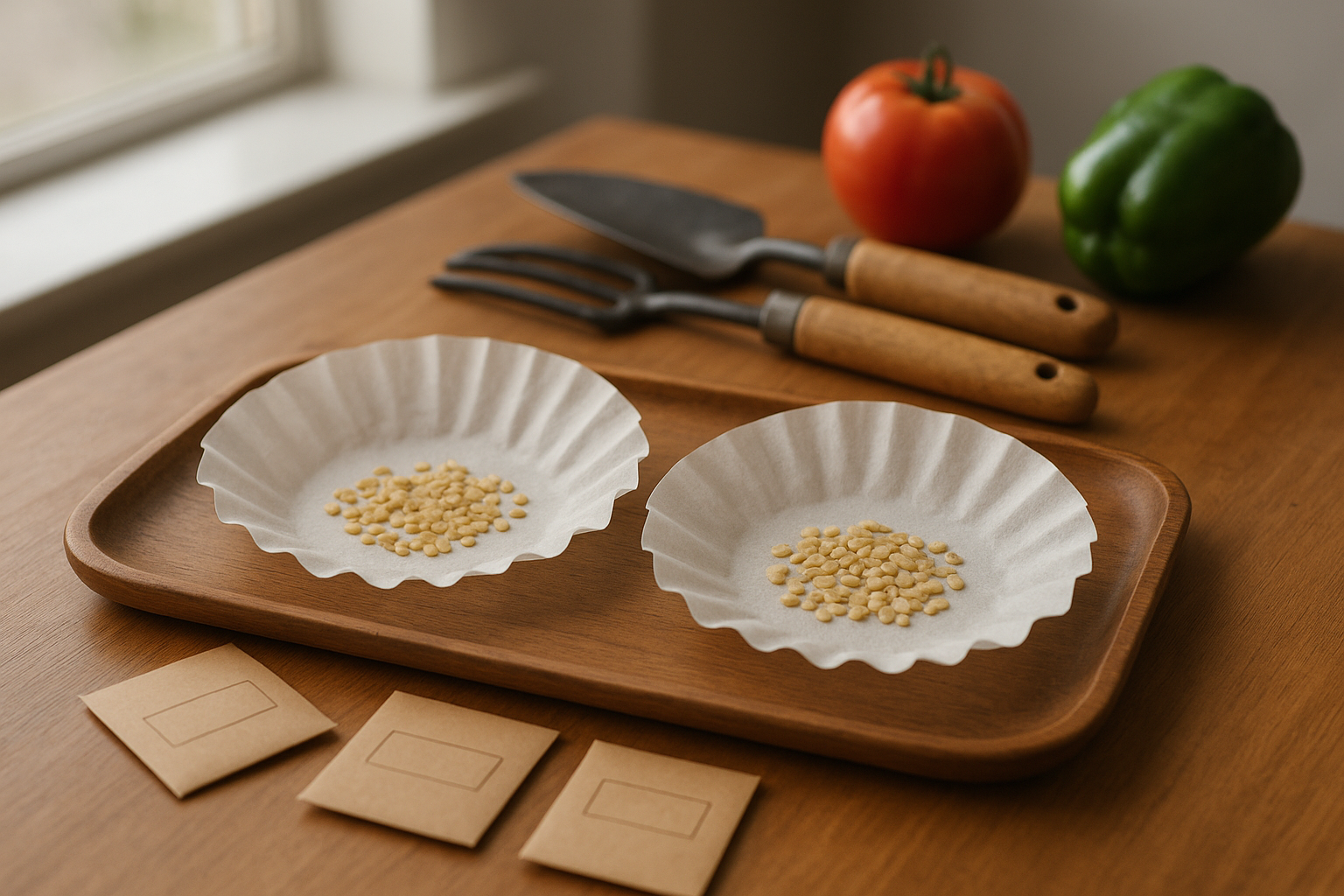
A simple basket coffee filter can make the whole process easier. It gives seeds a breathable surface to dry on, helps prevent sticking, and makes it much simpler to transfer fully dried seeds into storage for next season.
Why coffee filters work so well
Basket coffee filters are designed to hold wet grounds while still letting liquid move through. That same structure makes them useful for seed saving. They absorb excess moisture without trapping seeds in the fibrous texture the way some paper towels do.
This matters most for seeds that come out of fruits and vegetables with a slippery coating, such as:
- Tomatoes
- Peppers
- Cucumbers
- Squash
- Melons
These seeds often carry pulp, gel, or sticky residue. If that moisture dries in a rough paper towel, the seeds can fuse to the surface. Coffee filters create a flatter, less clingy drying spot, which means less waste and less damage when it’s time to collect them.
Best seeds to dry this way
This method is especially helpful for seeds that are small, smooth, or coated in moisture. It works well for garden crops where you’ve washed away most of the pulp and need a clean place to finish drying.
Good candidates include:
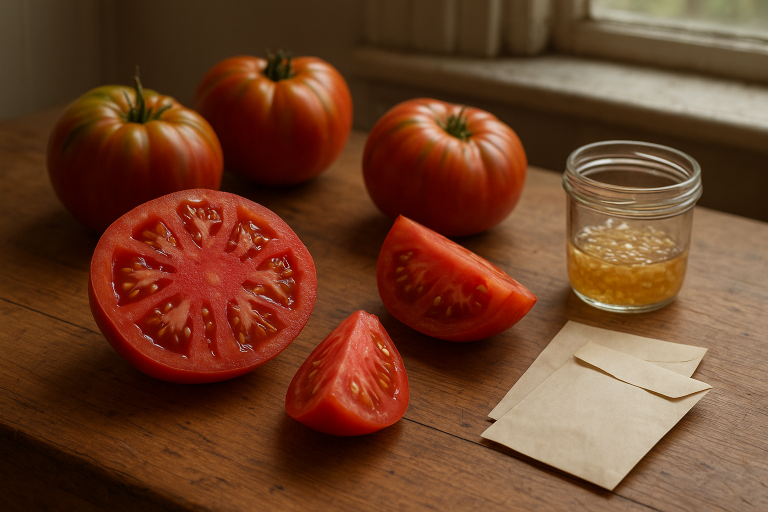
- Tomatoes: after fermenting or rinsing, the seeds dry neatly on filters.
- Peppers: seeds usually need only light drying after removal from the pod.
- Cucumbers and melons: the slippery seed coating dries without bonding to the paper.
- Summer and winter squash: a filter helps separate seeds from leftover stringy bits.
- Herbs and flowers: small harvested seeds dry in a tidy, contained space.
If your seeds are still covered in chunky pulp, rinse or ferment them first. The coffee filter is best for the drying stage, not for cleaning heavily wet seeds from scratch.
How to dry seeds with coffee filters
The process is easy, but a few careful steps make a big difference in seed quality. The goal is to dry seeds thoroughly without crowding them or trapping moisture underneath.
- Prepare the seeds. Remove as much pulp and plant debris as you can. For tomato seeds, rinse after fermentation. For peppers, separate the seeds from the inner membrane. For squash or melon seeds, wipe off excess stringy material.
- Spread the seeds in a single layer. Place one basket coffee filter on a plate, tray, or shallow bowl. Scatter the seeds so they are not piled on top of each other.
- Label immediately. Write the variety and date on the filter or on a note beside it. If you’re saving more than one kind of seed, this step prevents mix-ups later.
- Leave space for air circulation. Set the filter in a warm, dry spot away from direct sun. A light breeze from a fan or open room helps, but avoid blasting the seeds with heat.
- Stir gently once or twice. After the first day, lightly move the seeds around so all sides dry evenly.
- Wait until fully dry. Seeds should feel hard and no longer cool or damp before storage. Depending on the type and humidity, this may take several days to a week or more.
Tips for faster, safer drying
Drying seeds too quickly can be just as risky as drying them too slowly. High heat can damage viability, while poor air flow can lead to mold. These small habits help keep the process on track:
- Use plain white, uncoated filters. Avoid scented or treated products.
- Spread seeds thinly. A crowded filter slows drying and increases clumping.
- Use more than one filter if needed. One batch per filter is best for larger seed saves.
- Keep them out of direct sunlight. Bright sun can overheat seeds and weaken future germination.
- Choose a low-humidity location. A spare room, shelf, or pantry corner often works better than a damp basement.
If the seeds are very wet, you can place the coffee filter on top of a dry plate or rack so air reaches the bottom as well. For especially sticky seeds, replace the filter if it becomes saturated.
How to know seeds are ready for storage
Before you store seeds, check that they are fully dry. This is one of the most important steps in seed saving because leftover moisture can cause mold or premature spoilage.
Try these simple checks:
- Seeds feel hard, not rubbery.
- They no longer stick together in wet clumps.
- When bent gently, they do not leave moisture behind.
- They sound dry and light when moved around on the filter.
If you’re unsure, give them another day or two. Patience at this stage often pays off with better germination later.
Storing your dried seeds
Once your seeds are fully dry, move them into a labeled envelope, glass jar, or airtight container. Add the plant name, variety, and the harvest date so you’ll know what you have next season.
For longer storage, keep seeds in a cool, dark, dry place. Many gardeners use a pantry, drawer, or sealed container with a desiccant packet. Avoid storing seeds somewhere warm or humid, like above the stove or near a sink.
If you save a lot of seeds each year, an organized system helps. Sort them by crop, and keep older seeds in front so you use them first. Good labeling now saves confusion when spring planting time arrives.
Common mistakes to avoid
Even a simple method can go wrong if a few details are overlooked. Watch out for these common problems:
- Skipping the cleaning step: too much pulp can still lead to mold.
- Using a thick pile of seeds: crowded seeds dry unevenly.
- Moving them too early: seeds can stick if they are transferred before they’re ready.
- Storing in plastic too soon: any hidden moisture can get trapped and cause spoilage.
- Forgetting to label: unlabeled seeds are easy to mix up after a few weeks.
A small supply that saves time later
A pack of basket coffee filters costs very little, but it can save a lot of frustration. Instead of chiseling seeds off a paper towel or losing them to sticky fibers, you get a cleaner, easier drying surface that’s ready when harvest season gets busy.
If you save seeds from tomatoes, peppers, cucumbers, squash, or melons, keeping a stack of coffee filters in your garden kit is a practical habit. It’s one of those small, inexpensive tools that makes seed saving feel much more manageable—and helps you keep more of the seeds you worked so hard to grow.