8 Bulbs to Plant in October for a Spring Color Show
October is one of the best months to get ahead in the garden. The soil is still workable, temperatures are cooling, and spring-flowering bulbs can settle in quietly before winter, giving you a big payoff when the weather warms up again.
If you want a garden that feels cheerful and polished without needing constant attention, bulbs are hard to beat. A few hours of planting now can bring weeks of color later, especially if you choose varieties that suit your space and soil.
Why October is such a good time to plant bulbs
Most spring bulbs need a cold period to trigger flowering, and planting them in autumn gives roots time to establish before the ground freezes. That early root growth helps the plants get off to a stronger start in spring.
It also means you can work with natural rainfall instead of watering constantly. In many gardens, fall planting is simply easier because the soil is moister, the sun is less intense, and the pressure of summer maintenance is over.
8 bulbs to plant in October
1. Alliums
Alliums are one of the easiest ways to add drama to a spring border. Their globe-shaped flower heads sit on sturdy stems and look especially striking among grasses, tulips, and late-season perennials.
Best for: sunny borders, gravel gardens, and mixed plantings
Planting tip: Set the bulbs in well-drained soil and plant them fairly deep, following the packet instructions. They dislike sitting in wet ground over winter.
2. Crocus
Crocus are small, cheerful, and ideal for naturalizing in lawns, under shrubs, or at the front of borders. They’re often among the first flowers to appear, sometimes blooming while there is still frost in the air.
Best for: lawns, rock gardens, pots, and woodland edges
Planting tip: Plant in small clusters for a more natural look rather than lining them up in rows.
3. Snowdrops
Snowdrops bring a quiet elegance to the late winter garden. They’re especially lovely in drifts beneath trees and along paths, where their white flowers really stand out against bare soil and winter foliage.
Best for: partial shade, woodland-style planting, and damp but well-drained soil
Planting tip: Buy bulbs “in the green” if you want a faster establishment, but October planting still works well for dormant bulbs.
4. Hyacinths
If fragrance is high on your wish list, hyacinths deliver in a big way. Their dense flower spikes come in rich shades of pink, blue, white, and purple, making them excellent for pots near doors and seating areas.
Best for: containers, patio pots, and front-of-border planting
Planting tip: Use a free-draining potting mix and avoid overwatering. Bulbs in pots are more likely to rot if they stay soggy.
5. Fritillaries
Fritillaries add an unusual, architectural feel to the garden. Some types have bell-shaped flowers, while others have a more subtle, nodding form that works beautifully in informal and cottage-style planting schemes.
Best for: sunny or lightly shaded borders with reliable drainage
Planting tip: Plant as soon as possible after buying, because fritillary bulbs can dry out if left sitting around too long.
6. Iris reticulata
These small irises are perfect if you want early spring color in a compact space. Their flowers are often finely marked and jewel-like, and they look especially good in pots or along edging.
Best for: containers, rock gardens, and sunny front borders
Planting tip: Give them a free-draining position and avoid rich, soggy soil, which can shorten their lifespan.
7. Muscari
Also known as grape hyacinths, muscari are reliable little bulbs that spread gently over time. Their dense blue flower spikes are easy to grow and combine well with daffodils, tulips, and iris.
Best for: borders, containers, and naturalized plantings
Planting tip: Tuck them into groups for a fuller effect, and let the foliage die back naturally after flowering.
8. Anemone blanda
Anemone blanda produces daisy-like flowers that open with the light and create a soft carpet of color. It’s especially effective under deciduous shrubs or in spots that get sun in spring and a little shade later.
Best for: underplanting, borders, and light woodland settings
Planting tip: Soak the corms for a few hours before planting to help wake them up and encourage better growth.
How to plant bulbs for the best results
The good news is that most spring bulbs follow the same basic rules. Get those right, and you’ll avoid most common problems.
- Choose a sunny or lightly shaded spot. Most flowering bulbs do best with plenty of light.
- Make sure the soil drains well. Bulbs hate sitting in water, especially in winter.
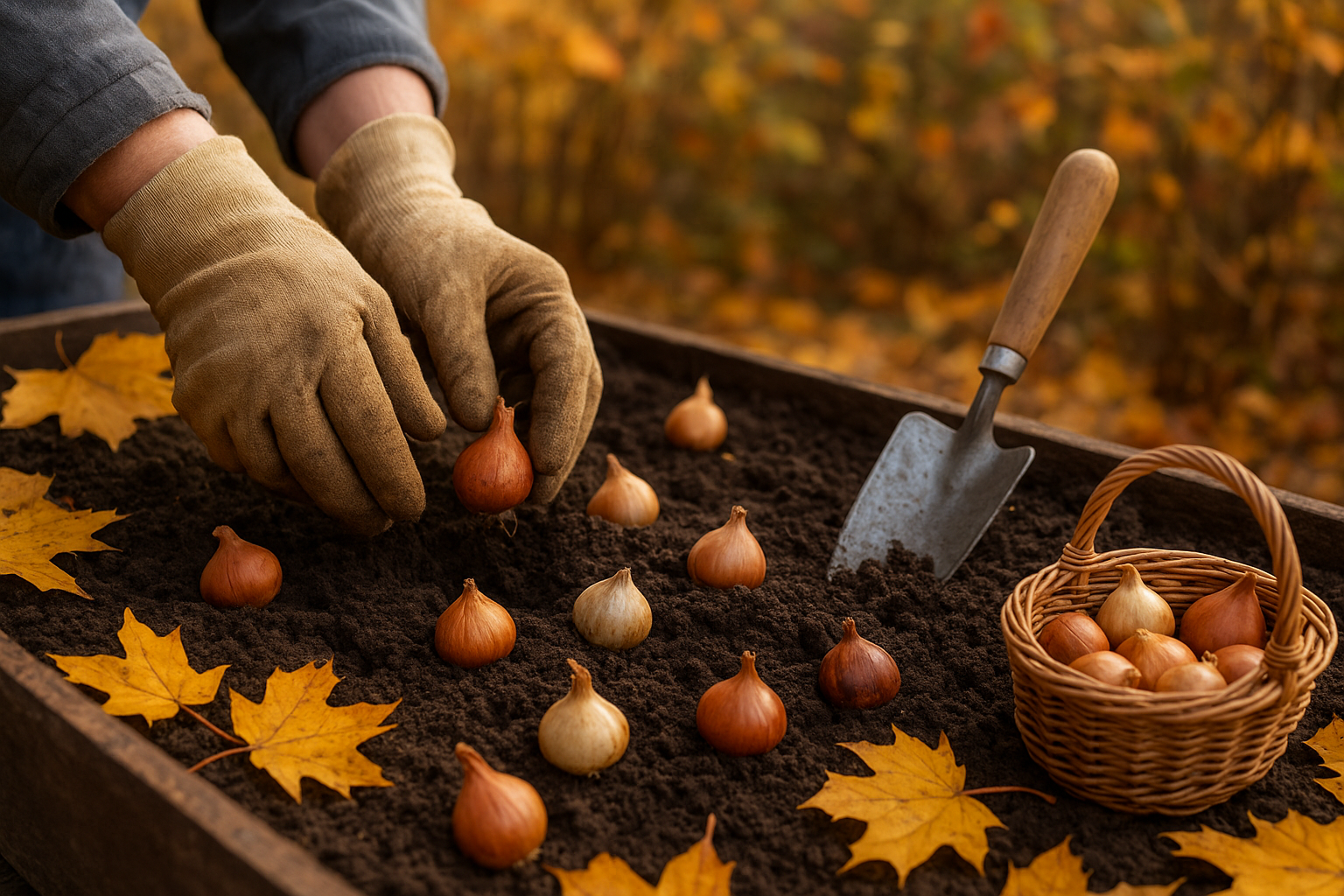
- Plant at the right depth. A common rule is to plant bulbs about two to three times as deep as the bulb is tall.
- Point the tip upward. If you can’t tell which end is which, plant the bulb on its side. It will usually sort itself out.
- Water once after planting. This helps settle the soil around the bulbs.
If your soil is heavy clay, improve drainage by mixing in horticultural grit or planting bulbs in raised beds and containers instead. For pots, use a good quality multipurpose compost with added grit or a bulb compost mix.
Simple design ideas for a bigger spring impact
Bulbs often look best when planted in generous drifts rather than scattered individually. Repeating the same variety in several places also creates a more cohesive look.
- For a classic border: pair alliums with tulips and late perennials.
- For a natural look: plant crocus, snowdrops, and muscari in loose groups.
- For pots: combine hyacinths, iris reticulata, and anemones for layered height and color.
- For shade: use snowdrops and anemone blanda beneath leafless shrubs or trees.
You can also plant bulbs beneath shrubs that lose their leaves in winter. The bulbs will get the light they need in spring, then fade as the shrub fills out later in the year.
Common mistakes to avoid
A few small mistakes can make a big difference, especially with bulbs that are supposed to be low-fuss.
- Planting in wet ground: this is one of the quickest ways to lose bulbs to rot.
- Using shallow pots without drainage: bulbs need drainage holes and enough depth for roots to develop.
- Cutting back foliage too soon: leaves help recharge the bulb for next year’s flowers.
- Forgetting to label containers: easy to do in autumn, but very helpful come spring.
Aftercare: what to do once the flowers fade
Once bulbs have finished flowering, deadhead the blooms if needed, but leave the foliage in place until it yellows naturally. That period is important because the leaves are feeding energy back into the bulb for next season.
In containers, keep watering lightly while the leaves are still green, then reduce watering as the foliage dies back. If the bulbs are in a pot that will be reused for summer bedding, you can lift them after the foliage has faded and store them somewhere cool and dry.
Final thought
If you want more spring color with less spring effort, October planting is a smart move. A few well-chosen bulbs can transform beds, pots, and paths into something that feels abundant and carefully designed, even if you only spent an afternoon planting them.
Start with good drainage, choose bulbs suited to your space, and give them a little attention now. Come spring, they’ll do the rest.