The Best Time to Buy Plants for Nursery Deals
Buying plants can get expensive fast, especially when you’re filling a whole bed, refreshing containers, or starting a new landscape. The good news is that nurseries and garden centers follow predictable seasonal cycles, which means there are clear windows when prices drop and selection is still worthwhile.
If you want the best time to buy plants, it helps to shop with the nursery calendar instead of just the weather forecast. A little timing can save you money and still leave you with healthy plants that will settle in well at home.
Why plant prices change through the year
Garden centers aren’t stocking the same items year-round. Their inventory shifts with the seasons, plant demand rises and falls, and stores need room for the next wave of merchandise. When a new crop arrives, older stock often gets marked down to make space.
That means the biggest bargains usually show up when a plant is past its peak selling time, but still perfectly viable to grow. The trick is knowing which plants to buy late and which ones are worth paying full price for.
The best times to shop for nursery bargains
While exact timing varies by climate and region, these are the most common bargain windows:
- Late spring: After the first rush for annuals and bedding plants, some leftovers begin to go on sale.
- Late summer to early fall: This is often the sweet spot for perennials, shrubs, and many landscape plants.
- Late fall to early winter: Spring bulbs, dormant plants, and some hard goods may be discounted to clear shelves.
- End-of-season clearance events: Many nurseries reduce prices when they’re making room for holiday plants, spring inventory, or winter storage.
If you’re watching for deals, ask staff when the store usually rotates seasonal stock. Some garden centers mark down plants on a regular schedule; others do it more gradually as inventory thins out.
What to buy in each season
Spring: annuals, vegetables, and early color
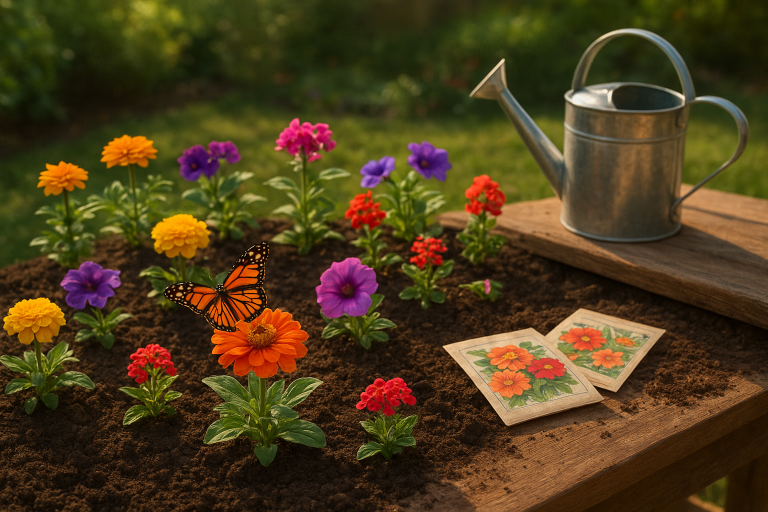
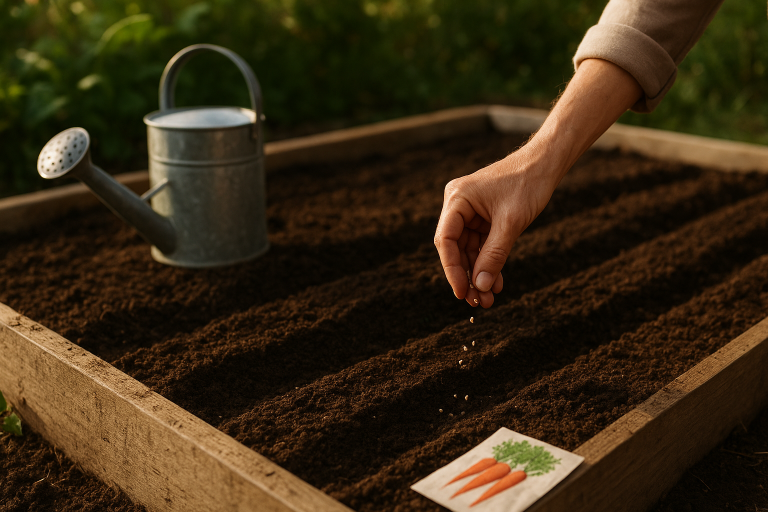
Spring is prime time for popular bedding plants, vegetables, and herbs. Prices are usually highest at the start of the season because demand is strong and selection is excellent. If you don’t need a huge quantity, spring is often the best time to buy for maximum variety.
If you’re bargain hunting, wait until the first rush settles. You may find discounted annuals with smaller blooms, leftover veggie starts, or plants that simply need a little extra care at home.
Summer: watch for markdowns on extras
By midsummer, some garden centers start reducing overstock, especially if a plant category has sold well and the shelves need clearing. This can be a good time to pick up container plants, heat-tolerant annuals, and herbs.
Just be selective. Summer heat can stress plants quickly, so bargains are only worthwhile if the root ball is healthy and the plant has been watered properly.
Late summer and fall: the best time for perennials and shrubs
For many gardeners, late summer into fall is the best time to buy plants that will return year after year. Perennials are often discounted after their bloom cycle ends, and shrubs may be easier to find on sale once the spring rush is over.
Fall planting also has a big practical advantage: cooler temperatures and more reliable rain can help roots establish with less stress. That makes many fall purchases both cheaper and easier to grow.
Trees and shrubs can be especially good buys in autumn, but don’t wait too long. They need enough time to develop roots before the ground freezes. In colder regions, earlier fall planting is safer than late fall.
Late fall and winter: bulbs, dormant plants, and indoor items
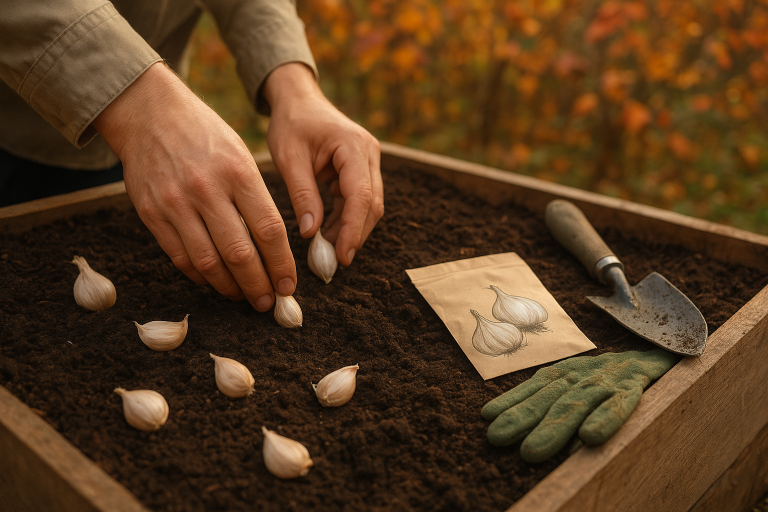
As outdoor gardening slows down, stores often discount spring-flowering bulbs and other seasonal stock. This is a great time to find tulips, daffodils, crocus, and similar bulbs if the planting window hasn’t closed in your area.
You may also see dormant bare-root plants or leafless shrubs at lower prices. Dormancy can look unpromising, but it does not automatically mean the plant is weak. If roots are firm and there’s no obvious rot or damage, dormant stock can be a smart buy.
How to tell if a sale plant is worth it
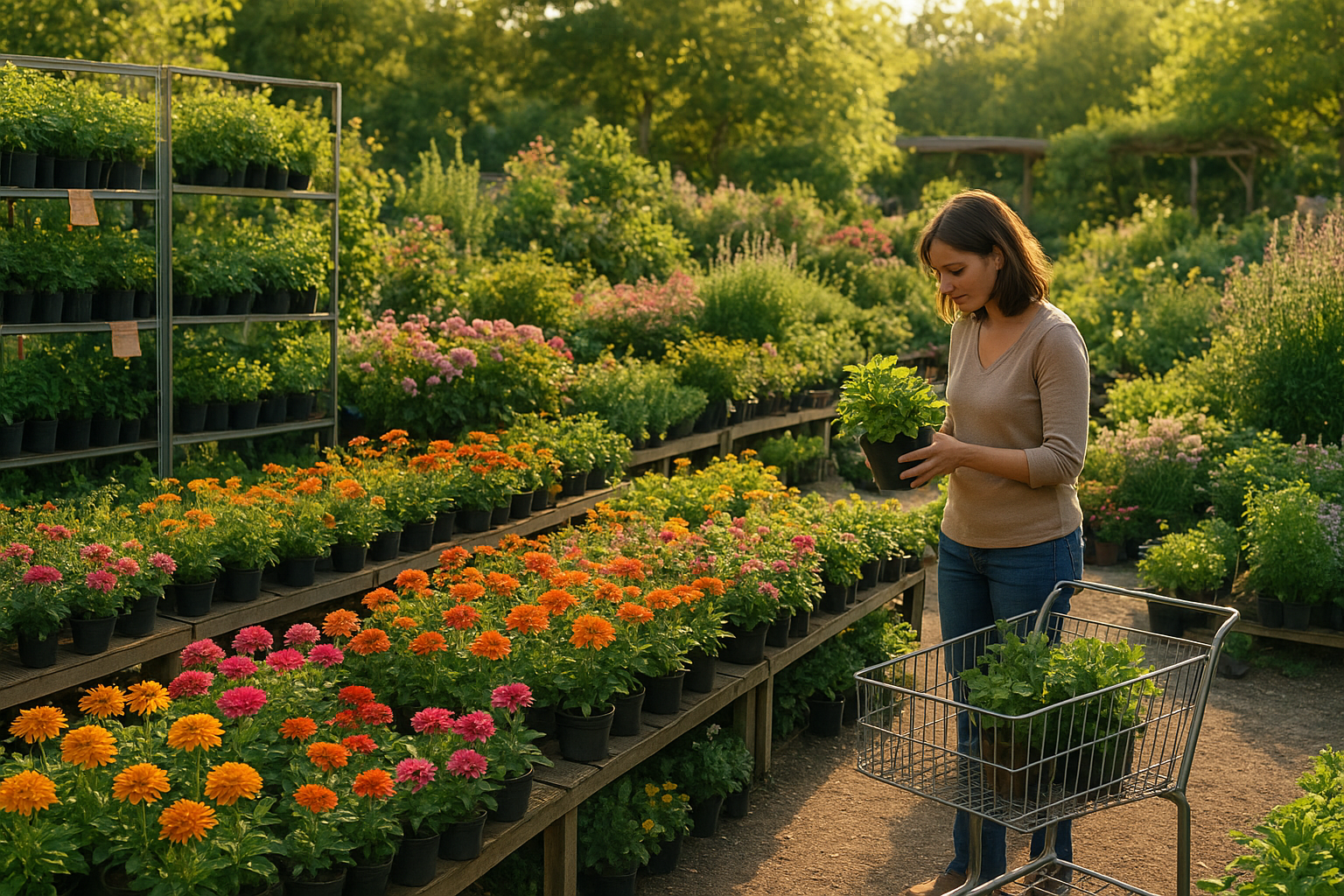
A discount is only a deal if the plant has a real chance of thriving. Before you put anything in your cart, give it a quick inspection:
- Check the leaves: Look for pests, chewing damage, spotting, and widespread yellowing.
- Inspect the stems: They should feel sturdy, not brittle or mushy.
- Look at the root zone: Avoid plants that are rootbound to the point of circling tightly or pushing out of the pot.
- Smell the soil: Sour or rotten odors can signal root problems.
- Match the plant to your climate: A great price doesn’t help if the plant won’t survive your winters or summers.
If a plant is marked down because it is out of bloom, that’s not necessarily a problem. Flowers come and go, but healthy roots matter far more than temporary color. A good root system can often recover quickly once planted in the right spot.
What to skip, even on sale
Some bargains are better left behind. Be cautious with plants that show signs of disease, heavy pest infestation, or severe root damage. A plant can look cheap on the tag and still become expensive if it needs constant rescue work at home.
Also skip anything that’s been neglected for so long that the root ball is bone-dry and pulling away from the pot, unless you’re very experienced and the plant is otherwise in excellent shape. Severely stressed plants may never catch up.
Smart nursery shopping tips that save money
Timing is the biggest money-saver, but a few extra habits can stretch your garden budget even further:
- Shop at the end of the week: Some stores update markdowns before busy weekends.
- Visit after major holiday weekends: Seasonal displays often change right after peak shopping periods.
- Buy smaller sizes: Young plants usually cost less and may establish faster than oversized specimens.
- Ask about “back row” stock: Nurseries sometimes keep newer or less-visible plants away from the front displays.
- Check local garden centers, not just big box stores: Independent nurseries may discount different items at different times.
Plan your shopping around your garden goals
The best time to buy plants depends on what you’re growing and how quickly you need results. If you want instant color for a patio, buy when annuals are at their peak selection. If you’re building a lasting landscape, late summer and fall can be the smartest time to shop for bigger savings.
A practical approach is to divide your purchases into two groups: plants you need right now and plants you can wait to buy on sale. That way, you still get the varieties you want without paying full price for every single item.
Quick checklist before you head to the nursery
- Know your USDA hardiness zone or local climate limits.
- Measure the space you’re planting.
- Make a list of sun, shade, and water conditions.
- Decide which plants you need now and which can wait for markdowns.
- Bring gloves, a tote, and a way to keep purchases shaded on the ride home.
With a little patience, you can shop like a pro and avoid paying top dollar for every plant in your yard. The real secret isn’t just finding the lowest price; it’s buying at the right moment so your plants settle in well and grow beautifully once they’re home.