Why Dahlias Fade in September and How to Fix It
When dahlias start looking flat, faded, or floppy in September, it is easy to assume the season is simply over. In many cases, though, the problem is less about the calendar and more about care, weather, and plant exhaustion. A few timely adjustments can help your dahlias push out stronger blooms well into fall.
The good news is that most late-season dahlia problems are fixable at home. If you know what to look for, you can usually turn around flower quality without major effort.
Why dahlias fade as summer turns to fall
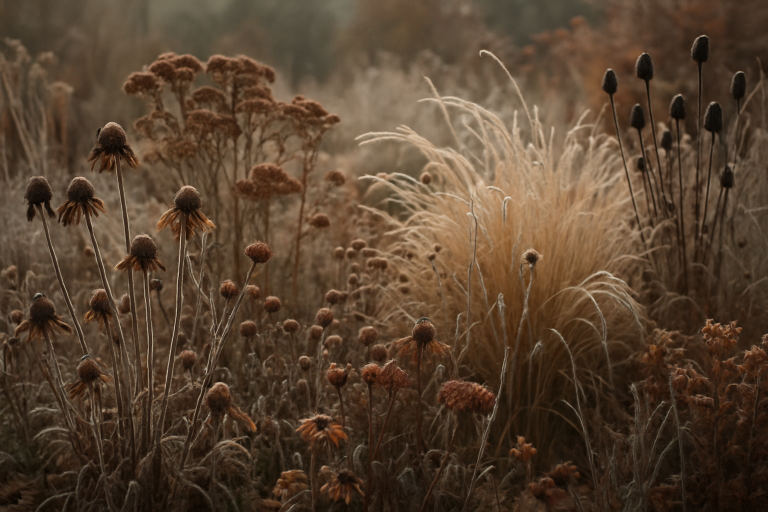
September is a transition month, and dahlias often feel that shift before we do. Shorter days, cooler nights, and less intense sun all change how the plant grows. Some varieties respond by producing fewer buds or smaller blooms. Others start to look tired because they have used up a lot of energy over the summer.
Late-season fading is often caused by one or more of these issues:
- Inconsistent water after hot weather or unexpected rainfall changes
- Low nutrients after months of heavy blooming
- Too much nitrogen, which encourages leaves over flowers
- Missed deadheading, which tells the plant to slow down
- Pests or disease that weaken buds and foliage
- Natural aging as the plant nears the end of its bloom cycle
In other words, your dahlias may not be failing. They may just need a reset.
Check water first
Water is one of the biggest reasons dahlias lose steam in September. If the soil has dried out too much, buds can stall, petals can be smaller, and flowers may open weakly or not at all. On the other hand, soggy soil can stress roots and invite rot.
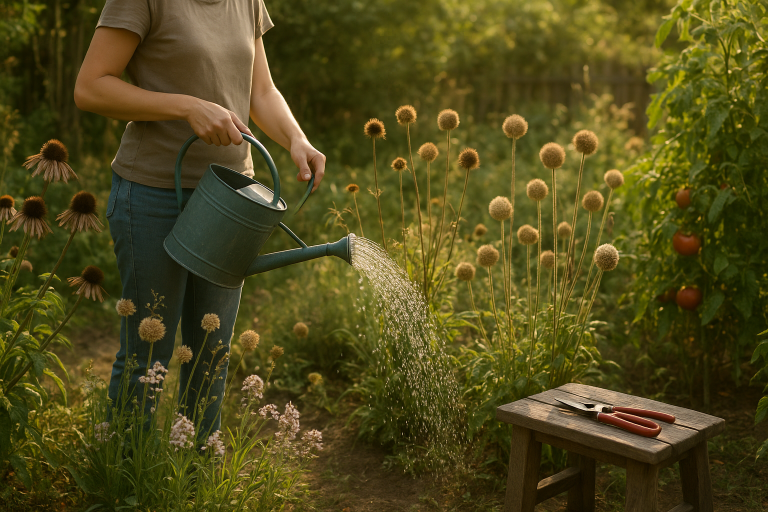
How to water dahlias in late season
- Feel the soil 2 to 3 inches down. If it is dry at that depth, it is time to water.
- Water deeply, not daily. A slow soak at the base is better than a light sprinkle every day.
- Aim for steady moisture. Dahlia soil should be evenly moist, not muddy or bone-dry.
- Water early in the day. This gives leaves time to dry and reduces disease risk.
If your area has started getting cooler and wetter, adjust accordingly. Dahlias often need less frequent watering in September than they did in July, but they still hate drying out completely.
Feed for flowers, not foliage
By early fall, dahlias are often running low on the nutrients that support blooming. A balanced approach to feeding can help, but too much fertilizer, especially high-nitrogen formulas, can backfire. You may get lush leaves and fewer flowers.
Look for a fertilizer that supports blooming rather than growth. Many gardeners prefer one that is lower in nitrogen and a bit higher in phosphorus and potassium. Follow the package directions closely; more is not better here.
Easy feeding tips
- Feed every 3 to 4 weeks during active blooming if your soil is not already rich.
- Avoid fertilizing dry soil. Water first to reduce root burn.
- If the plant is very leafy but blooming poorly, reduce nitrogen-heavy products.
- Compost can help improve soil overall, but it works best as a long-term soil builder rather than a fast fix.
If your dahlias were planted in containers, they may need even more attention. Potting mix loses nutrients faster than garden soil, so container plants often benefit from more regular light feeding.
Deadhead correctly to keep buds coming
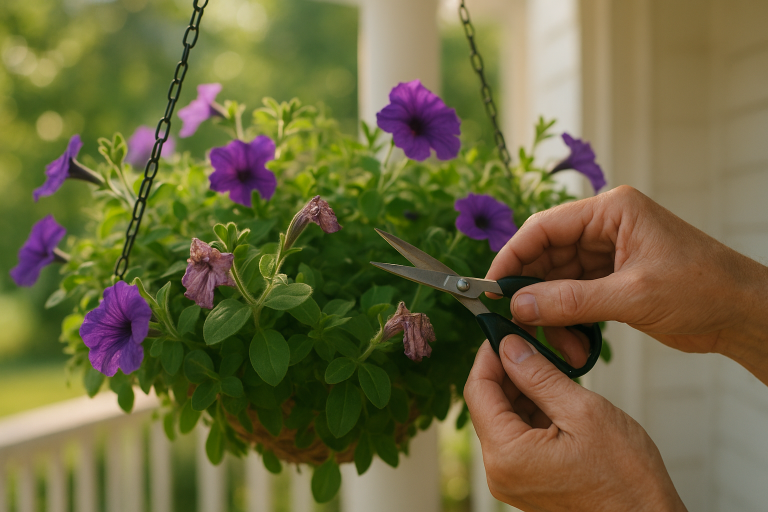
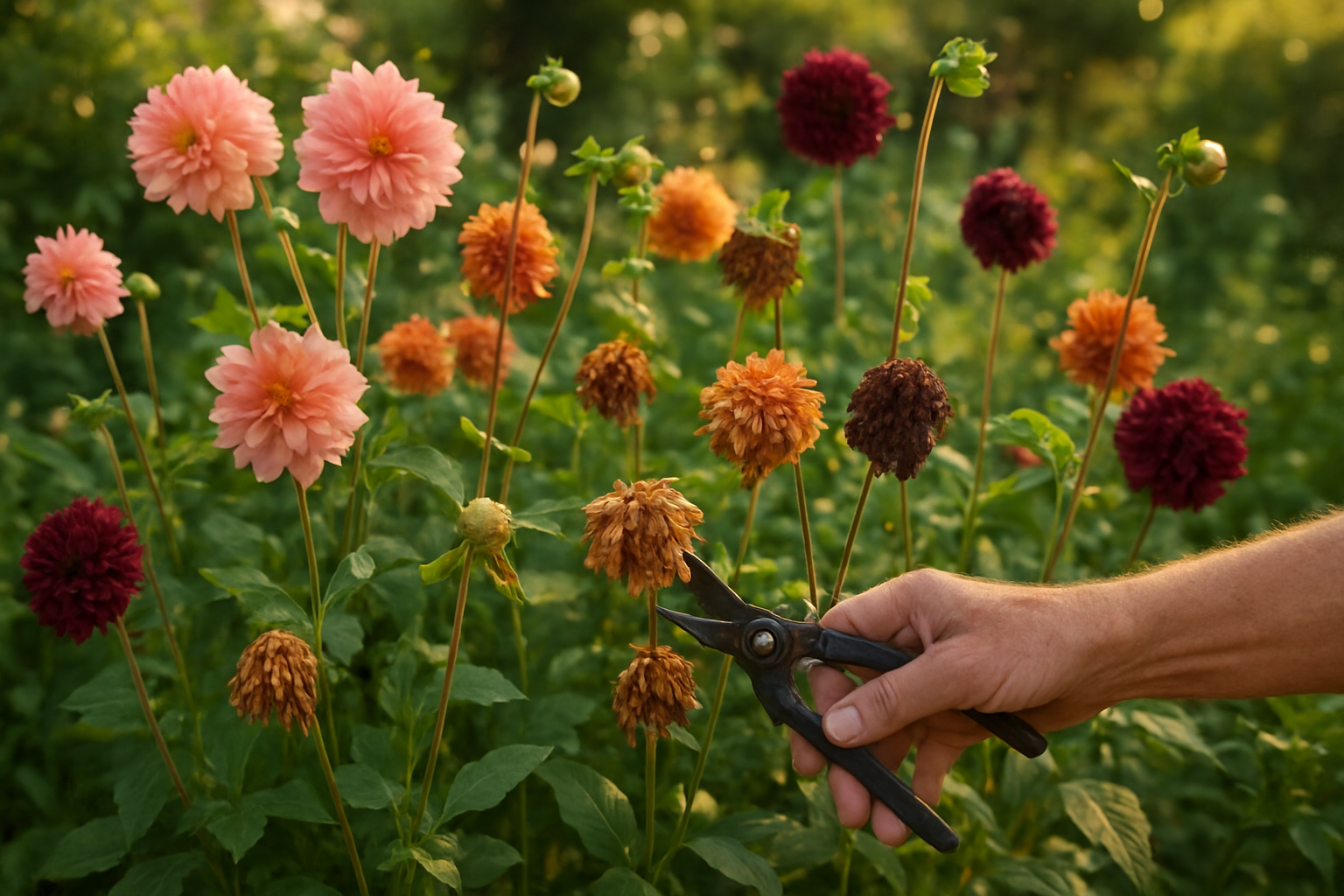
Deadheading is one of the simplest ways to extend the bloom season. When spent flowers are left on the plant, dahlias spend energy making seeds instead of new buds. Removing faded blooms encourages the plant to keep flowering.
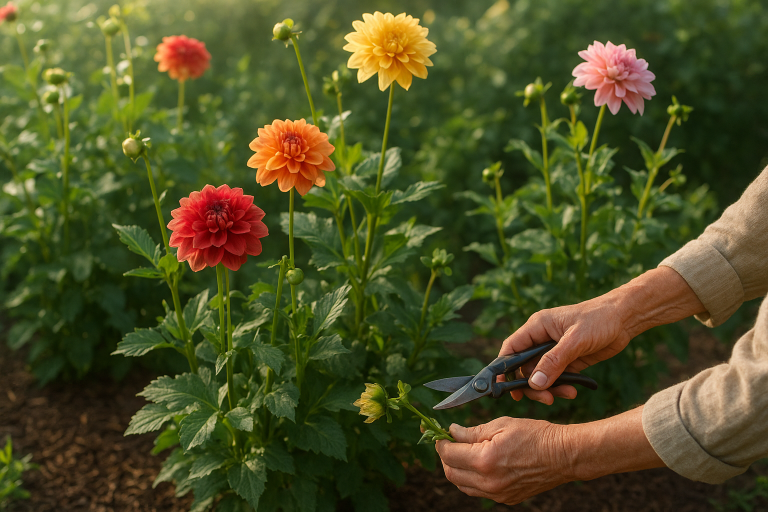
How to deadhead dahlias
- Follow the bloom stem down to the first set of full leaves.
- Use clean pruning snips to cut just above a leaf node or side shoot.
- Remove any damaged or browned petals and flower heads promptly.
- Check plants every few days during peak bloom.
For cut-and-come-again dahlias, regular deadheading can make a noticeable difference. If you only trim the petals off and leave the seed head, the plant may still slow down. Make the cut low enough to matter.
Give plants enough sun and support
Dahlias bloom best in full sun, which usually means at least 6 to 8 hours of direct light. In September, lower sun angles and shade from nearby plants can reduce the amount of energy the plant gets. If your dahlias are suddenly blooming less, check whether a tree, fence, or taller annual has started shading them out.
Support is also important. Tall dahlia stems can flop under the weight of large flowers, especially after wind or rain. Stressed stems and bent blooms often look faded before they are truly finished.
- Stake tall varieties with bamboo, metal supports, or tomato cages.
- Use soft plant ties so stems are supported without being crushed.
- Keep the plant upright to improve air flow and sun exposure.
Look for pests and disease
By late summer, dahlias can attract pests and show signs of fungal disease. Powdery mildew, aphids, spider mites, and bud issues can all reduce bloom quality. If flowers look distorted, leaves are spotted, or buds fail to open, inspect the plant closely.
What to check
- White, dusty coating on leaves: likely powdery mildew
- Sticky residue or curled leaves: aphids
- Tiny speckling and webbing: spider mites
- Browning stems or soft growth: possible rot
Remove badly affected foliage and clean up fallen leaves around the plant. Good airflow helps, so avoid overcrowding and do not water overhead if you can help it. If disease is spreading quickly, it may be better to remove the worst growth than to leave it in place.
Common mistakes that make dahlias fade faster
Sometimes the fix is less about doing more and more about avoiding a few common errors. These are the habits most likely to shorten the bloom season:
- Overwatering in cool weather
- Underwatering during late-summer heat waves
- Using too much nitrogen fertilizer
- Skipping deadheading
- Letting crowded stems block sun and airflow
- Ignoring pest damage until the plant is weakened
A healthy dahlia plant should have sturdy stems, clean foliage, and a steady run of buds. When one part of that system is out of balance, blooms are often the first thing to show it.
A simple September dahlia care routine
If you want an easy routine to follow, use this weekly checklist through the fall:
- Inspect soil moisture and water deeply if needed.
- Deadhead spent blooms and remove weak stems.
- Look under leaves for pests or disease.
- Make sure tall plants are still securely supported.
- Feed only if the plant is actively blooming and the soil needs it.
These small steps can make a big difference. Dahlias do not need complicated care in September, but they do benefit from consistency.
When fading is normal
Even with excellent care, dahlias will eventually slow down as temperatures drop and daylight shortens. That is normal. The goal is not to force nonstop perfection, but to keep the plant as healthy and productive as possible until frost arrives.
If your dahlias are still blooming, consider that a success. With the right watering, feeding, deadheading, and pest management, many plants can keep producing fresh flowers deep into the season.
When the final blooms are done, let the foliage continue growing until frost blackens it. That helps the tubers store energy for next year. In other words, the work you do in September not only improves current blooms, it also sets up next season’s show.