Why Fall Lawn Aeration Makes Grass Greener Next Year
If your grass looks tired after summer, fall is the perfect time to help it recover. Fall lawn aeration opens up compacted soil so air, water, and nutrients can reach the roots when they need it most. The result is usually thicker, healthier turf next spring.
This is one of those simple garden jobs that looks small but pays off in a big way. With the right tool and a little timing, you can make a noticeable difference to the health of your lawn without spending the whole weekend outside.
What lawn aeration actually does
Over time, foot traffic, mowing, rain, and dry weather can press soil particles together. When that happens, the soil becomes dense and roots struggle to spread. Aeration creates small openings in the ground that help relieve that pressure.
Those openings improve three things grass needs most:
- Air for root respiration
- Water to soak deeper into the root zone
- Nutrients from fertilizer or compost to reach the soil more effectively
In other words, aeration helps your lawn breathe again. It also supports deeper root growth, which is especially valuable heading into winter and dry spells the following year.
Why fall is the best season
Fall gives grass a sweet spot: cooler air slows the blade growth you see above ground, while soil often stays warm enough to encourage roots below the surface. That means the plant can focus more energy on strengthening its foundation instead of pushing out lots of new top growth.
Fall weather also tends to bring more natural moisture, which softens soil and makes it easier for roots to expand into newly opened spaces. For many lawns, this is the most efficient time of year to aerate, especially if summer heat or heavy use has left the ground hard and compacted.
If your yard gets a lot of play from kids, pets, or frequent gatherings, fall lawn aeration is even more worthwhile. High-traffic areas are usually the first to show signs of compaction.
How to tell if your lawn needs aeration
Not every lawn needs the same level of care, but these signs often point to compacted soil:
- Puddles form after rain instead of soaking in quickly
- Grass looks thin, patchy, or weak in the same areas every year
- The soil feels hard when you press a screwdriver or garden fork into it
- Moss, weeds, or bare spots keep appearing in stressed areas
- The lawn sees a lot of foot traffic or heavy equipment
If you notice two or more of these, your lawn will likely benefit from aeration this season.
Choose the right aerator
There are several ways to aerate a lawn, and the best option depends on the size of your yard and how compacted the soil is.
Spike aerators
Spike aerators poke holes into the lawn with solid tines. They are simple to use and can work for light compaction, but they may actually press the soil tighter around each hole if the ground is very dense.
Core or plug aerators
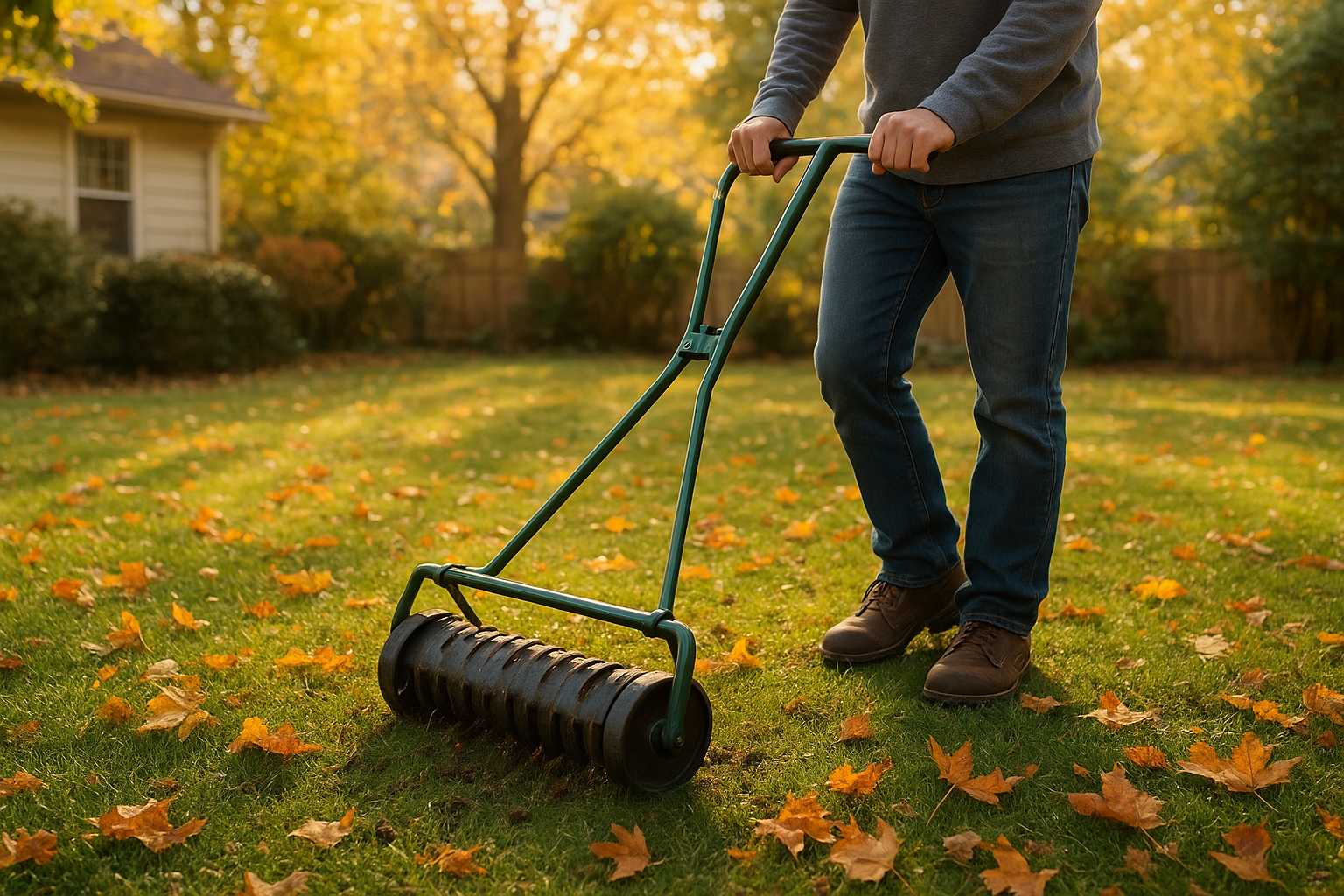
Core aerators remove small plugs of soil from the lawn. This is often the most effective choice for compacted ground because it creates more room for air and water to move through the soil.
Manual tools
A garden fork or hand aerator can work well for small lawns, tight spots, or problem patches. They take more effort, but they are useful if you do not want to rent a machine.
If your yard is small, a manual tool may be enough. For medium or large lawns, a walk-behind aerator or rental machine can save time and deliver more consistent results.
How to aerate your lawn the easy way
Aeration does not have to be complicated. You can get excellent results by following a few basic steps.
- Mow first. Cut the grass to a normal height before aerating so the tool can move more easily.
- Water lightly if the soil is very dry. Slightly damp soil is easier to aerate than rock-hard ground, but avoid working on soggy mud.
- Go over the lawn evenly. Focus on high-traffic areas, compacted patches, and spots that drain poorly.
- Leave the plugs in place if you use a core aerator. They will break down naturally and return organic matter to the soil.
- Follow up with overseeding or compost if your lawn needs extra help.
- Water afterward so the soil stays moist and recovery can begin.
For many homeowners, the whole process can be done in under an hour on a modest-sized yard, depending on the tool you use.
What to do after aerating
The work you do after aeration matters just as much as the aeration itself. Open soil is ready to receive anything you add, so take advantage of that window.
- Apply grass seed to thin or bare areas for better germination
- Top-dress with compost to improve soil structure gradually
- Use a fall lawn fertilizer if your lawn benefits from feeding
- Keep the soil lightly moist until new grass is established
If you seed after aerating, keep foot traffic to a minimum for a couple of weeks. Young roots need undisturbed contact with the soil.
Common mistakes to avoid
Even a straightforward lawn job can go sideways if you rush it. A few simple missteps are easy to avoid:
- Aerating when the soil is too dry makes the job harder and less effective
- Aerating when the lawn is waterlogged can tear up turf and leave ruts
- Missing problem areas means the most compacted sections stay stressed
- Skipping follow-up care limits the benefits of the aeration
- Doing it once and forgetting it can let compaction return over time
If your lawn is heavily compacted, you may need annual aeration. Lighter soils or less-used lawns might only need it every couple of years.
How often should you aerate?
Most lawns do well with aeration once a year or every other year, depending on soil type and use. Clay-heavy soil usually compacts faster and may need more regular attention. Sandy soil tends to drain better and may not need aeration as often.
If you are not sure, start by aerating the areas that show the most stress. You can always expand the job next season if needed.
The bottom line
Fall lawn aeration is one of the fastest ways to improve lawn health before winter sets in. It helps loosen compacted soil, improves drainage, and gives roots room to grow deeper and stronger. That small effort now can lead to a greener, sturdier lawn when spring returns.
If your yard has looked a little worn out lately, this is a smart weekend task to put near the top of your list. A few passes with the right tool today can make next year’s lawn much easier to love.