Spite Fence Rule: What Homeowners Should Know Before Building
Adding a fence can be one of the best upgrades for privacy, pets, and curb appeal. But if that fence is placed or designed to needle a neighbor, it can cross from ordinary property improvement into a legal problem known as a spite fence.
The tricky part is that fence laws are not one-size-fits-all. What is allowed in one city or state may be restricted in another, so it pays to understand the basics before you post the first stake.
What a spite fence actually is
A spite fence is usually described as a fence built primarily to annoy, block, or harass a neighbor rather than to serve a normal purpose such as privacy, safety, or boundary marking. In other words, the issue is not just how the fence looks or how tall it is. The key question is why it was built.
Some examples that may raise concern include:
- An extremely tall fence installed after a neighbor dispute, with no practical need for the height
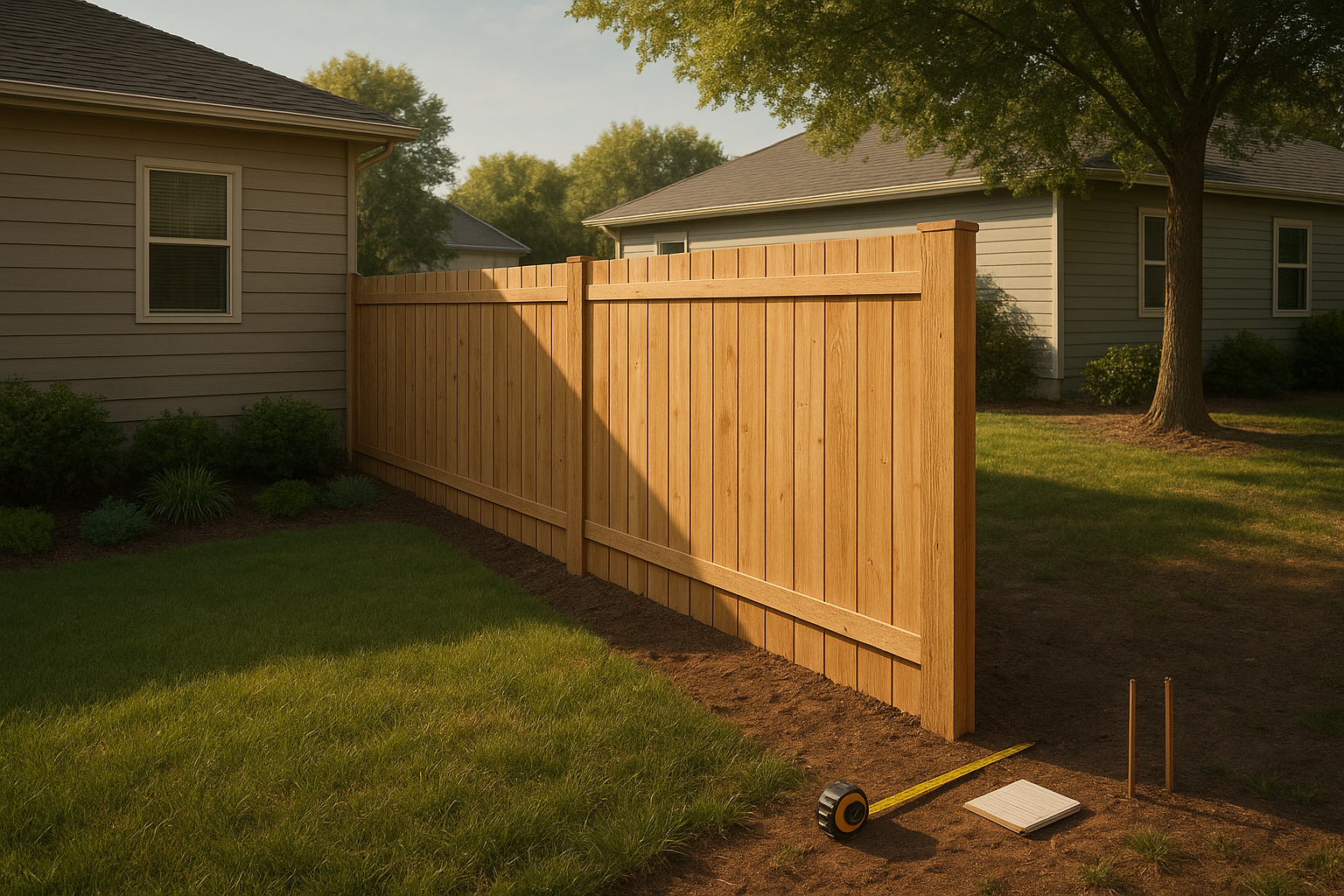
- A solid barrier placed to block a specific view or sunlight
- A fence built right on the line, with the apparent goal of making life difficult for the next-door property owner
- An unsightly or unusual structure that serves little obvious function
That said, a tall fence is not automatically illegal. Many homeowners build higher fences for privacy, child safety, noise reduction, or pet containment. The difference is usually whether the fence has a legitimate use and complies with local rules.
Why fence disputes happen so often
Fences sit right at the intersection of personal property and shared neighborhood life. They affect what you see, how much light reaches a yard, where pets can roam, and even how large a property feels.
Because fences are so visible, they can easily become emotional. A homeowner may think, “It’s my land, so I can build what I want.” A neighbor may feel, “That structure is ruining my view, my sunlight, or my privacy.” Both reactions are understandable, which is why communication matters before construction starts.
What laws and rules may apply
Before building, check every layer of regulation that could apply to your property. Fence rules may come from:
- City or county building codes
- Setback rules that require a fence to be a certain distance from the property line, sidewalk, or street
- Height limits for front yards, corner lots, or rear yards
- Permit requirements for certain materials or fence heights
- HOA or subdivision covenants that may limit style, color, or placement
- Local nuisance laws in places that recognize spite fences or similar claims
Local rules matter because fence law is highly location-specific. A project that is perfectly legal in one neighborhood can be a code violation just a few blocks away.
How to avoid a spite fence problem
If you are planning a fence, a little preparation can prevent a lot of conflict. These steps are especially useful if you share a property line with someone who is sensitive to noise, shade, or privacy issues.
- Check your boundary first. Use a survey or recorded plat, not guesswork, to confirm where the property line actually sits.
- Read local rules before shopping for materials. Find out height limits, setback rules, and whether permits are required.
- Talk to your neighbor early. A simple heads-up can prevent misunderstanding, especially if the fence will be tall or close to the line.
- Choose a practical design. If the goal is privacy, use a style that looks intentional and functional rather than retaliatory.
- Document the project. Keep copies of permits, plans, surveys, and any neighbor communication in case questions come up later.
If you are replacing an existing fence, check whether the old line was actually on your property. A worn-out fence that has stood for years is not always placed where people assume it is.
Signs your fence idea may be too provocative
Most disputes start small, but some design choices tend to invite conflict. Be cautious if your plan includes:
- Building unusually close to a neighbor’s windows or patio
- Going far above the neighborhood norm without a clear reason
- Using opaque materials where an open design would work just as well
- Adding features that look decorative but mainly serve to block light or sightlines
If the fence is truly for privacy, safety, or pet control, keep that purpose easy to explain. A clean, sensible design is less likely to be seen as hostile.
What to do if your neighbor builds a questionable fence
If someone next door puts up a fence that seems excessive or intentionally annoying, start with the least confrontational option. Many disputes can be resolved without lawyers if both sides are willing to talk.
Try this approach:
- Stay calm and gather facts. Measure the fence, note its location, and review local rules.
- Check whether a permit was required. A fence that violates a height or setback rule may be easier to address through code enforcement.
- Document the impact. If the structure blocks windows, removes usable light, or creates other measurable problems, keep photos and notes.
- Speak with the neighbor. Sometimes a fence was built for a reason that can be explained, or adjusted, after discussion.
- Contact the building department or HOA. If rules may have been broken, ask where complaints should be filed.
- Consult a local attorney if needed. This is especially important if the issue involves property damage, repeated harassment, or a potential nuisance claim.
Good fences still need good judgment
The old saying about fences and neighbors has a point: a fence can create peace, but it can also create resentment if it is poorly planned. The safest path is to treat a fence like any other home project that affects people nearby—measure carefully, follow local rules, and think through how the design will feel from both sides.
A well-placed fence can improve privacy and reduce conflict. A spite fence, on the other hand, can do the opposite and become expensive to fix. When in doubt, focus on function first and frustration never.
Quick checklist before you build
- Confirm the property line
- Check city, county, and HOA rules
- Verify permit needs
- Keep the design practical
- Talk to your neighbor before construction
- Save all paperwork
That extra homework can make the difference between a fence that quietly does its job and one that turns into a neighborhood dispute.