September Fuchsia Care: 6 Steps for Better Blooms
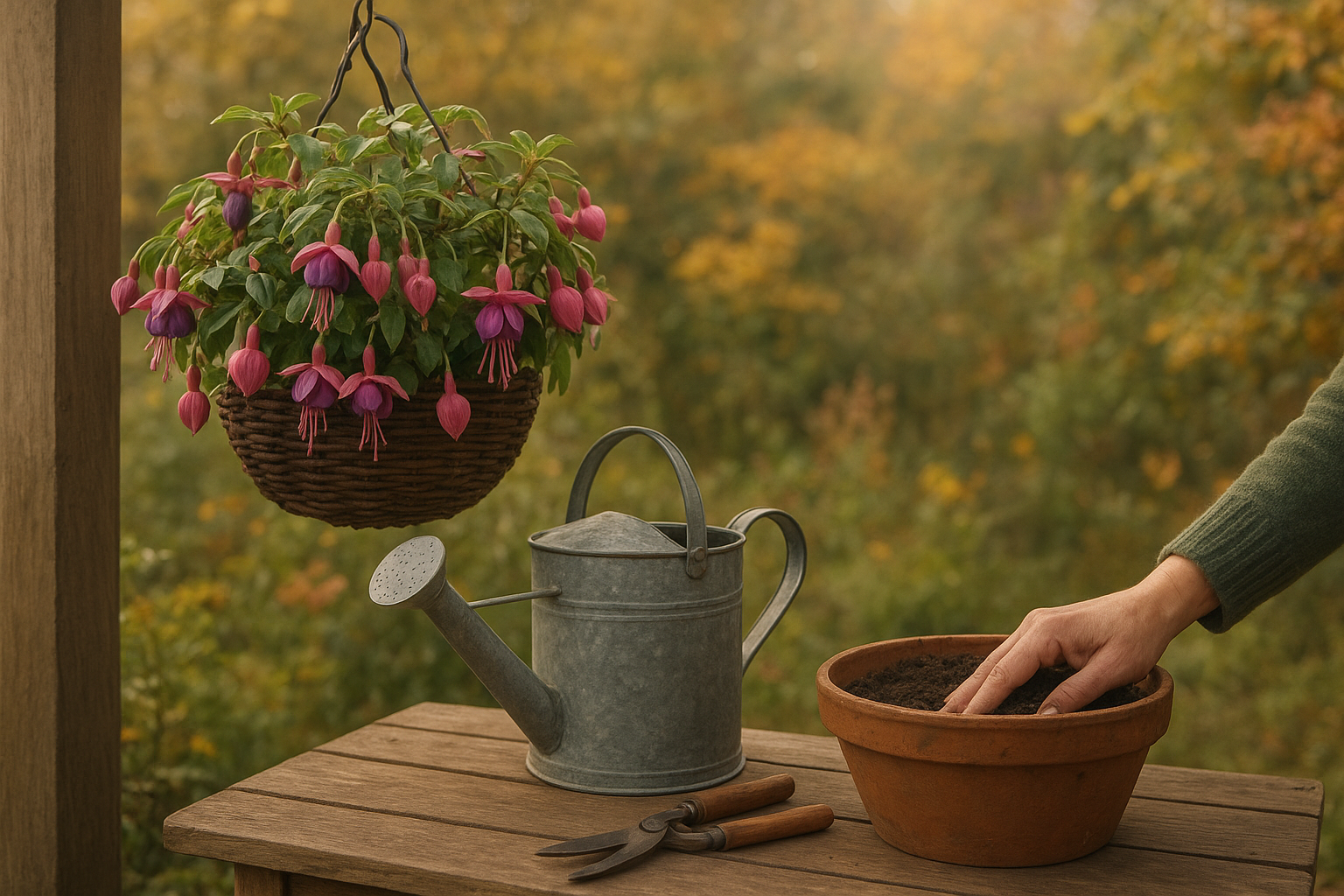
September is a useful month for fuchsias. The weather starts to cool, flowers often make one last strong showing, and the plant’s needs begin to change. A few smart adjustments now can keep blooms going a little longer and help both hardy and tender fuchsias head into the next season in better shape.
Whether your plant lives in a hanging basket, a patio pot, or a garden border, the goal is the same: avoid stressing the plant while it is still flowering, and start easing it toward autumn conditions.
1. Water for steadiness, not excess
Fuchsias like evenly moist soil, but they do not appreciate wet roots. In September, cooler temperatures and more regular rain often mean you can back off the watering a bit, especially if your plant is in the ground. That said, don’t assume the weather is doing the job for you. Containers dry out faster than beds, and a hanging basket can lose moisture surprisingly quickly on a breezy day.
The simplest rule is to check the soil before reaching for the hose. If the top inch feels dry, water thoroughly. If it still feels cool and damp, wait. Deep watering is better than frequent shallow splashes because it encourages the roots to stay active without sitting in soggy conditions.
- In containers: Check daily during warm spells, especially if the pot is in full sun or under cover where rain cannot reach it.
- In garden beds: Water less often, but soak deeply when the soil begins to dry.
- For overwintering plants: Begin reducing water gradually so the plant is not shocked when growth slows.
2. Shift away from high-nitrogen feeding
Early in the growing season, many gardeners use fertilizers that support leafy growth. By September, that is no longer the priority. Too much nitrogen late in the year can push soft new growth that is more vulnerable to cold damage and less likely to help the plant finish the season well.
If your fuchsia is still blooming and you want one final flower push, switch to a fertilizer with less nitrogen and a stronger emphasis on flowering. Use it lightly and follow the label directions. Overfeeding rarely helps and can sometimes do more harm than good.
For tender fuchsias you plan to bring indoors, feeding should taper off altogether as fall progresses. Hardy fuchsias also benefit from reduced feeding because the plant needs to slow down and prepare for winter rather than keep producing tender growth.
Signs you may be feeding too much
- Lots of leaves but fewer blooms
- Long, floppy stems
- Soft growth that appears late in the season
- Salt buildup or crusty residue around the pot
3. Deadhead to keep flowers coming
Spent flowers can drain energy from the plant and make the display look tired. Regular deadheading helps fuchsias stay neat and can encourage more buds while conditions remain favorable. It is a small task, but in September it makes a noticeable difference.
Pinch or snip off faded blooms and the small swollen seed base behind them. If you see damaged or shriveled stems along with the old flowers, remove those too. Use clean scissors or pruners if the stems are tough, especially on larger plants.
Do not cut hard into the plant at this time of year. A light tidy-up is the goal, not a major reshape. Heavy pruning can trigger fresh growth that may be too tender for autumn weather.
4. Prune only lightly and selectively
Many gardeners are tempted to trim fuchsias back in fall, but September is usually not the time for a big haircut. Instead, look for weak, crossing, dead, or clearly damaged stems and remove those first. If the plant is getting leggy, you can shorten a few stems slightly to keep the shape compact, but avoid taking off too much at once.
Think of September pruning as maintenance rather than renovation. You are improving airflow, removing spent or unhealthy growth, and helping the plant direct energy into flowers and root health instead of unnecessary stems.
If you grow a hardy fuchsia in the ground, leave the more significant pruning for late winter or early spring, when you can better see what survived the cold. For potted tender types, save major cuts for the time you are preparing the plant for winter storage or bringing it indoors.
5. Watch for pests and weather stress
Fuchsias can attract aphids, whiteflies, spider mites, and other small pests, especially if the plant is already stressed by heat, drying wind, or uneven watering. September is a good month to inspect the undersides of leaves and the tender tips where pests often hide.
Look for curling leaves, sticky residue, speckling, or distorted new growth. If you spot a problem early, a strong spray of water may knock many pests off the plant. For heavier infestations, use a gentle insecticidal soap as directed and avoid spraying during the hottest part of the day.
Also pay attention to the weather. Late-season sun can still be intense, and sudden cold nights may affect tender plants. If your fuchsia is in a movable container, give it a place with bright light but some shelter from harsh afternoon sun and wind.
6. Prepare for the type of winter your plant faces
September is the month to start deciding what happens next. Hardy fuchsias growing outdoors in suitable climates usually stay in place, but they appreciate a cleaner, healthier start to the cold season. Remove fallen leaves and debris around the base so problems do not overwinter near the plant. You can also add mulch later, once temperatures cool further, to help protect the roots.
Tender fuchsias need a different plan. If you want to overwinter them indoors, begin the transition early. Bring pots inside before the first frost, and place them in a cool, bright spot. Reduce watering gradually and stop fertilizing so the plant can slow down naturally. A sudden shift from lush outdoor growth to dry indoor air is hard on the plant, so a slow transition is best.
Simple overwintering checklist
- Check plants for pests before moving them indoors.
- Reduce feeding in late September.
- Trim only broken or overly long stems.
- Lower watering as growth slows.
- Choose a cool indoor location with enough light.
What to avoid in September
A few common mistakes can undo the good work you do this month. Avoid heavy pruning, overwatering, and high-nitrogen fertilizer. Do not leave containers sitting in saucers full of water after rain, and do not assume a plant that looks a little tired needs more food. More often, it needs steadier care and less interference.
It is also best not to repot unless the plant is clearly rootbound and struggling. Repotting can be stressful, and late-season transplant shock is not helpful when the plant should be winding down.
The payoff for a little September attention
Fuchsias reward consistent, thoughtful care. In September, that means watering carefully, feeding wisely, deadheading regularly, and avoiding drastic cuts. With those basics covered, you may enjoy more blooms now and set the stage for a healthier plant next year.
Whether your fuchsia is heading outdoors for winter, staying in the border, or moving inside to wait out the cold, this is the month to help it make a smooth transition. A few minutes of attention now can make next season’s growth stronger, tidier, and much more floriferous.