8 Easy Flowers to Sow in Fall for Self-Seeding Blooms
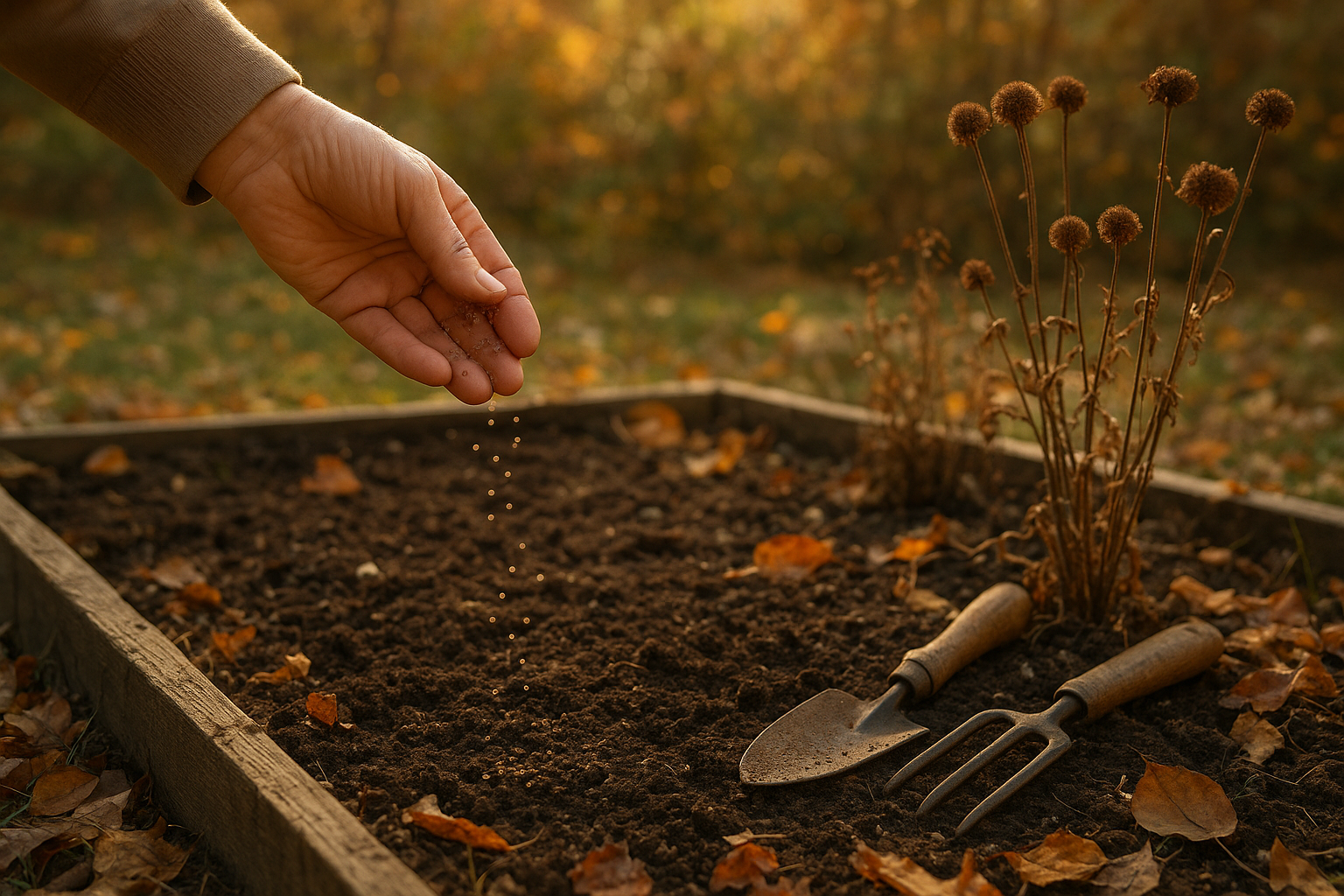
Fall is one of the best times to get a head start on next year’s flowers. A handful of the right seeds can be scattered over prepared soil now and left to weather the cold, giving you tougher plants and earlier blooms when spring returns.
The biggest advantage of choosing flower seeds to sow in fall is simplicity: no trays, no grow lights, and far less watering. Many of these flowers naturally need winter conditions before they germinate, which makes autumn sowing a smart, low-effort way to fill beds, borders, and wildlife corners with color.
Why fall sowing works so well
Some flower seeds need a stretch of cold to break dormancy. Others have hard seed coats that soften through winter rain, frost, and thaw cycles. By the time temperatures rise in spring, those seeds are already set up to sprout at exactly the right moment.
Fall sowing can also produce sturdier plants. Seedlings that emerge outdoors tend to develop stronger roots than plants started in warm indoor conditions and moved out later. That often means better drought tolerance, fuller growth, and more flowers.
Quick tips before you start
- Choose a sunny spot unless the seed packet says otherwise.
- Clear weeds first so seedlings don’t have to compete.
- Rake the surface lightly if the soil is crusted or compacted.
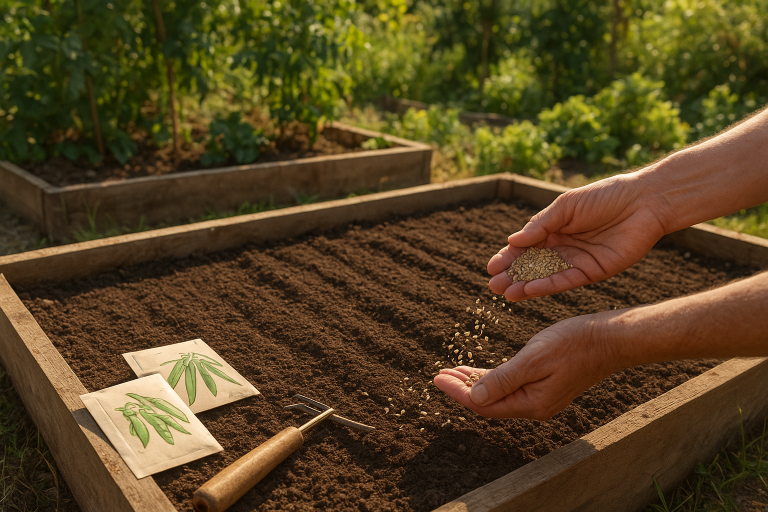
- Scatter seeds thinly to avoid overcrowding.
- Press seeds in gently so they make good contact with the soil.
- Water once after sowing if the soil is dry, then let seasonal rain do the rest.
For very small seeds, resist the urge to bury them. Many need light to germinate, so a dusting of soil, or simply firming them into the surface, is enough.
8 flowers that are worth sowing in fall
1. Poppies
Poppies are classic fall-sown flowers because they dislike root disturbance and often germinate best after a cold spell. Both annual field poppies and breadseed poppies are excellent choices for natural-looking drifts of color.
Scatter the seeds over open soil in a sunny area and leave them near the surface. Once established, poppies often self-seed, so you may get a return display year after year with very little effort.
2. Love-in-a-mist
Love-in-a-mist produces airy foliage, delicate flowers, and attractive seed pods, making it a useful flower for both fresh arrangements and dried displays. It’s one of the easiest annuals to sow outdoors in autumn.
Because the seeds are small, sprinkle them thinly and press them lightly into the soil. This flower performs well in cottage-style borders and informal beds.
3. Cornflowers
Cornflowers are cheerful, pollinator-friendly blooms that thrive when sown directly where they will grow. Fall sowing can lead to earlier flowering and stronger stems the following season.
They suit cutting gardens, wildlife patches, and mixed borders. If you want a long harvest of blooms for vases, sow a few batches in different spots.
4. Calendula
Calendula is one of the most forgiving flowers for autumn sowing. In mild areas, it may overwinter as a small plant and flower early; in colder regions, the seed may simply wait until spring.
Either way, calendula rewards you with bright, daisy-like blooms that are useful in borders and containers. Deadhead regularly if you want continuous flowers, or let a few seedheads form if you want volunteers next year.
5. Sweet alyssum
Sweet alyssum forms low mats of tiny flowers that are loved by beneficial insects. It’s ideal for edging paths, filling gaps at the front of beds, and softening the edges of containers.
Because the plants stay compact, they’re easy to tuck into small spaces. Fall sowing often gives them a head start for a fragrant spring display.
6. Larkspur
Larkspur is a cool-weather annual that appreciates autumn sowing in many climates. The seeds benefit from winter cold, and the result can be tall spires of elegant flowers in early summer.
Give larkspur a spot with good drainage and room to grow tall. It’s especially effective as a vertical accent among shorter flowers.
7. Bachelor’s buttons
Also known as centaurea, bachelor’s buttons are easygoing, reliable, and excellent for pollinators. They tolerate direct sowing well and often bloom generously from an autumn start.
If you enjoy cutting flowers, this is a strong choice. The stems are useful in bouquets, and the blooms come in shades that mix beautifully with poppies and calendula.
8. Nigella
Nigella is another easy self-seeder that brings fine texture, soft color, and striking seed pods to the garden. It’s one of the best flowers to sow if you want a slightly wild, meadow-like look.
Like love-in-a-mist, it prefers to be sown directly outdoors. Sprinkle seed where you want it to grow and leave it alone as much as possible.
How to sow fall seeds successfully
- Prepare the bed by removing weeds and loosening the top layer of soil.
- Work in compost if the ground is poor, but avoid overfeeding, which can encourage floppy growth.
- Broadcast the seeds over the surface or sow in informal drifts for a natural look.
- Firm the area with your hand or the back of a rake so the seeds make contact with the soil.
- Label the area so you remember what you planted before winter growth begins.
- Leave the bed alone unless a dry spell follows sowing and the soil needs a light watering.
If birds are a problem, cover the bed with a very light layer of horticultural fleece or use a temporary mesh barrier until the seeds settle. Remove covers once the seedlings are up.
What to expect through winter and spring
Don’t worry if nothing seems to happen right away. Some seeds will sit quietly through winter and germinate when the weather turns mild. Others may sprout during an unseasonably warm spell, then pause again as temperatures drop. That stop-start rhythm is normal.
When seedlings are small, keep an eye on slugs, particularly in damp weather. Thin crowded patches early so each plant has room to form a strong root system. A little space now usually means better blooms later.
Make the most of self-seeders
Once you find flowers that thrive in your garden, let a few go to seed at the end of the season. Self-seeders can quietly drift around a border and create a relaxed, abundant look without much planning.
To keep them under control, deadhead most flowers during peak bloom and allow only selected plants to set seed. That balance gives you both a tidy garden and a natural supply of next year’s flowers.
A simple fall job with a big payoff
If you want more flowers with less work, autumn sowing is hard to beat. Pick a sunny patch, choose a few reliable varieties, and scatter the seeds before winter settles in. By spring, you may find that your garden has done the hard work for you.
Even better, many of these flowers return the favor by reseeding themselves, so one small fall task can lead to seasons of color, texture, and pollinator activity.