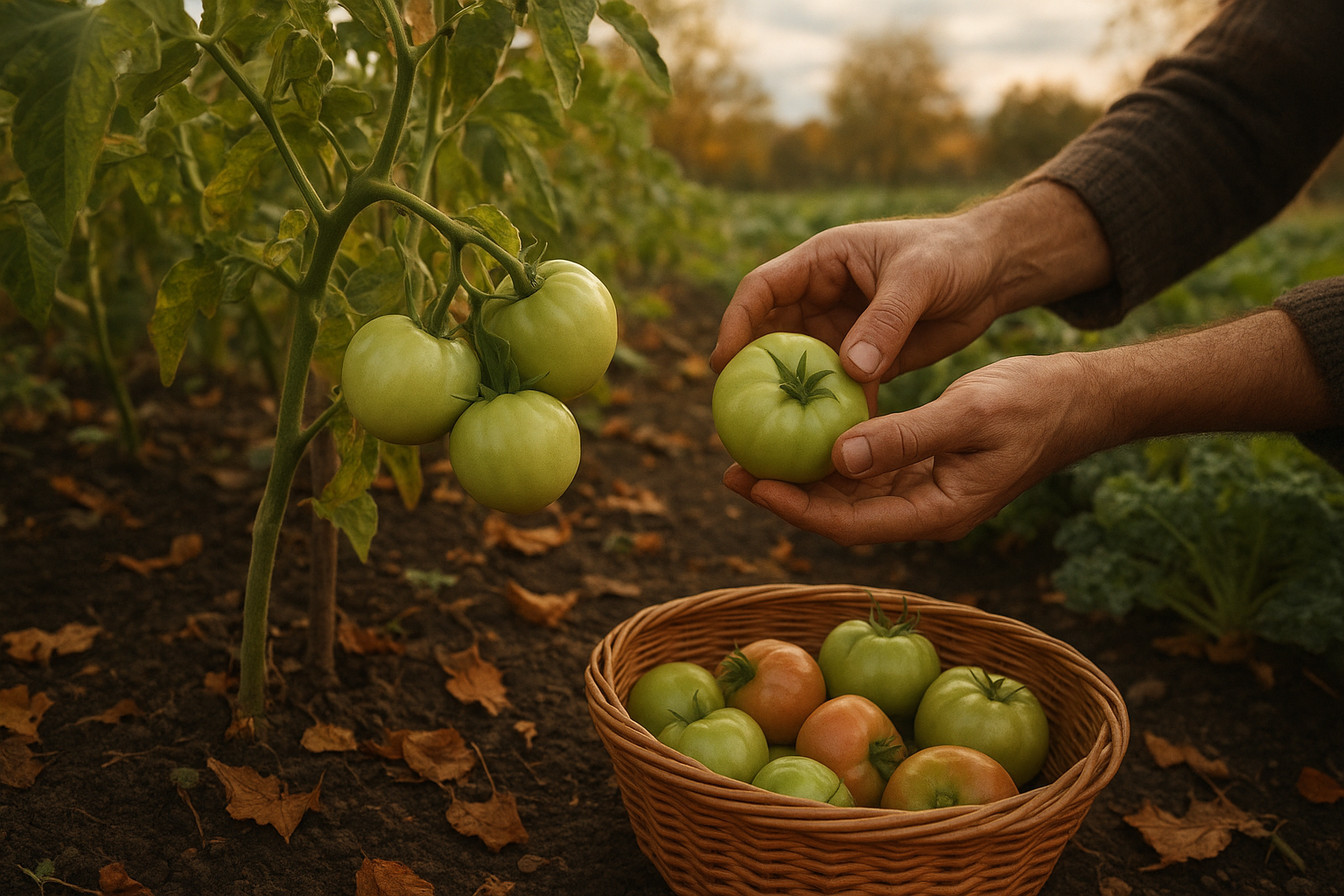
How to Ripen Green Tomatoes Before the First Frost
When the first frost is creeping closer, green tomatoes can feel like a race against the weather. The good news is that many of them still have time to finish—if you choose the right fruits and help the plant stop wasting energy on new growth.
The key is knowing that not every green tomato is equal. Some are already mature and just need warmth to color up, while others are still too young and will only disappoint if you leave them too long.
Which Green Tomatoes Are Worth Saving?
Start by looking for tomatoes that have reached their full size and changed from deep green to a lighter, slightly glossy shade. These are often called mature green tomatoes, and they usually ripen well after harvest.
Tomatoes that are still small, firm, and very dark green are usually not ready. They may keep growing for a while, but if cold weather arrives before they mature, they are more likely to shrivel or rot than turn red.
- Good candidates: full-sized fruit, lighter green color, smooth skin
- Poor candidates: small fruit, hard matte skin, no sign of size increase
- Already blushing: tomatoes with a hint of pink or orange ripen fastest indoors
If you are unsure, err on the side of harvesting. A tomato that is mature enough to ripen indoors will usually do so better than one left on a chilled vine.
What to Do About the Plant Before Frost
Late in the season, the plant’s job should shift from making new tomatoes to finishing the ones already there. The easiest way to do that is to stop encouraging new flowers and small fruit.
1. Pinch off new flowers
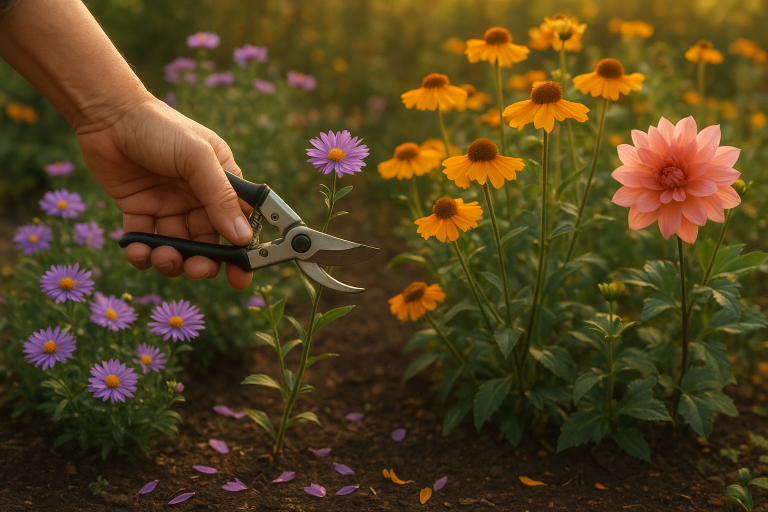
Any blossoms that open this late are unlikely to become ripe tomatoes before frost. Removing them tells the plant to focus its energy on the fruit already in progress.
2. Remove tiny fruit that will not finish
Marble-sized tomatoes and very small new set fruit rarely have enough time to mature. Snip them off so the plant can put more resources into the larger tomatoes.
3. Trim excess growth on indeterminate plants
If your tomatoes are the vining, indeterminate type, you can cut back the growing tips of the main stems. This is especially helpful about three to four weeks before your area’s typical first frost date.
Important: determinate tomatoes are different. They produce most of their crop in a shorter window, so heavy pruning can reduce the harvest you have left. With determinate plants, focus more on harvesting ripe-size fruit than on aggressive cutting.
How to Ripen Green Tomatoes Indoors
Once you harvest the tomatoes that have a real chance of finishing, bring them inside to a warm spot out of direct sun. Tomatoes do not need a bright windowsill to ripen; they need the right temperature and a little patience.
For best results, keep them at room temperature, ideally somewhere around the typical comfort range of a house. Too cold slows ripening. Too hot can lead to soft, bland fruit.
Simple indoor ripening methods
- Countertop method: Lay tomatoes in a single layer on a tray or shallow box.
- Paper bag method: Place a few tomatoes together in a paper bag to trap their natural ethylene gas.
- With a ripe banana or apple: Add one ripe piece of fruit to speed up ripening a bit.
Check them every day or two. Remove any tomato that begins to soften too much or show mold so it does not affect the others.
What not to do
- Do not refrigerate tomatoes you want to ripen.
- Do not stack them in a deep pile where they bruise easily.
- Do not seal them in plastic bags, which can trap moisture and encourage rot.
- Do not leave them in direct sun on a hot windowsill, which can overheat the fruit.
Extra Tricks That Help Before the Weather Turns
Beyond harvesting and pruning, a few simple garden choices can squeeze a little more value out of the last stretch of the season.
Lift the fruit, not the whole plant
If frost is forecast but the tomatoes are still attached and nearly ready, you can sometimes dig up the entire plant, roots and all, and hang it in a protected area like a garage or shed. The fruit may continue to color for a short time. This works best when the tomatoes are mature green and the plant is still in decent shape.
Use row cover or a frost blanket
For a light frost warning, covering the plant overnight can buy you a few extra days. Remove the cover in the morning so the plant can get light and air. This is a short-term fix, not a season extender for weeks on end.
Harvest before a hard freeze
If a hard freeze is coming, pick all tomatoes that are at least mature green, plus any that are already showing color. Cold injury can ruin texture even if the fruit looks fine on the outside.
How to Use Tomatoes That Won’t Ripen
Not every green tomato is destined to turn red, and that is okay. The ones that are too immature can still be useful in the kitchen or preserved for later.
- Fry them: Slice, bread, and pan-fry for a classic tart-and-crisp dish.
- Pickle them: Green tomatoes work well in quick pickles or relish.
- Chutney or salsa: Their bright tang is a nice match for onions, peppers, and spices.
- Compost the rest: Any fruit showing rot or freeze damage should go into the compost, not the counter.
If you have a lot of half-grown fruit, it is often better to harvest and cook them than to hope they will somehow improve outdoors in chilly weather.
A Simple Fall Tomato Game Plan
If your tomato vines are still loaded, use this quick checklist:
- Watch the weather and note your first frost risk.
- Harvest any fruit that is full-sized or starting to blush.
- Pinch flowers and remove tiny fruit that will not finish.
- Trim indeterminate vines to stop new growth.
- Ripen the best tomatoes indoors at room temperature.
- Cook or preserve the rest while they are still useful.
The goal is not to save every tomato. It is to save the ones that still have a real chance and make the most of the rest before cold weather takes over. With a little sorting and a few small adjustments, you can turn a nearly-finished vine into a worthwhile final harvest.