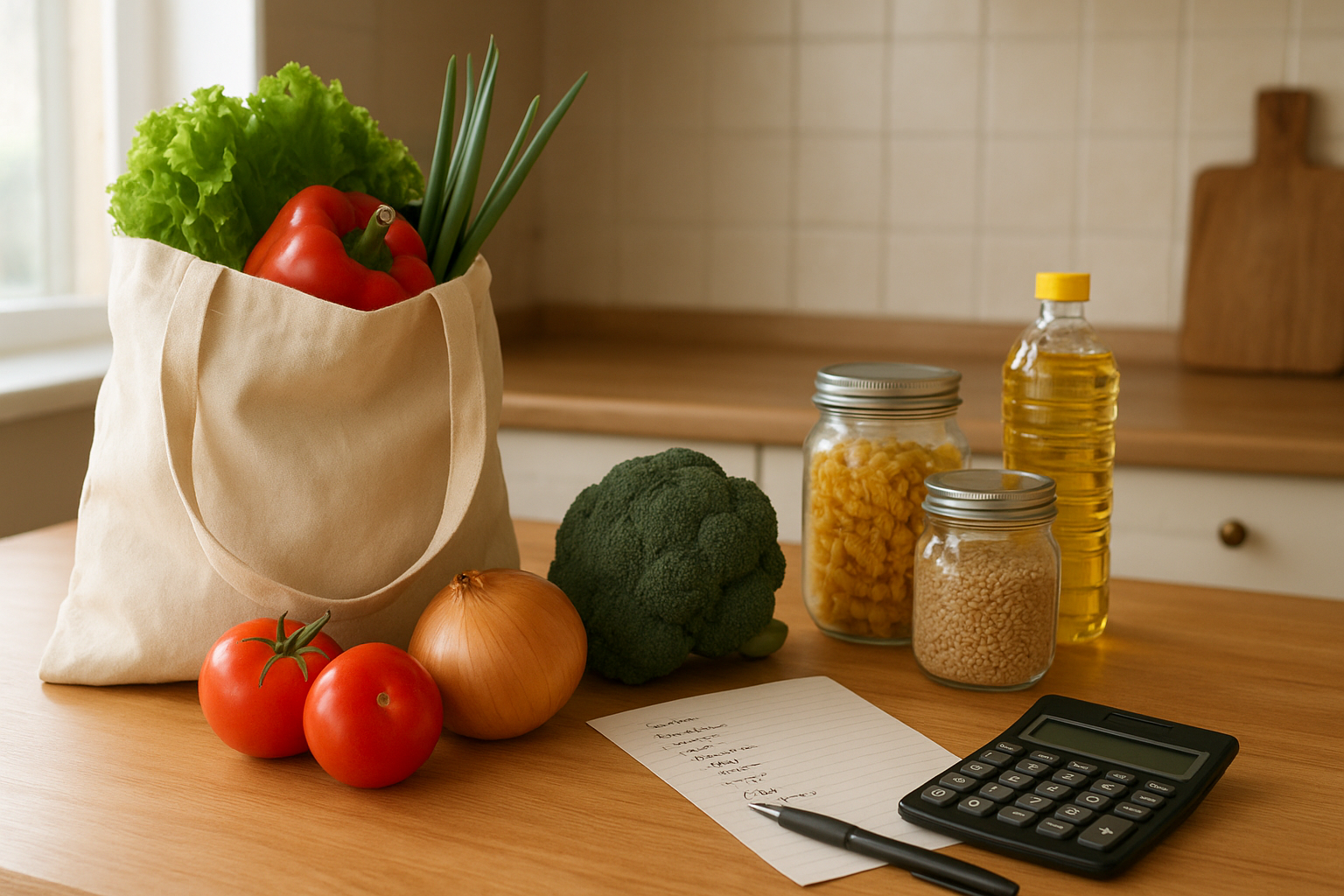
How to Make a $500 Grocery Gift Card Go Further
If a big grocery gift card lands in your lap, it can feel like a temporary reset on your food budget. The trick is not just spending it, but spending it well so you get the most meals, the least waste, and the biggest long-term benefit.
Whether you’re hoping to enter a grocery giveaway or simply want to shop smarter, a little planning can help every dollar stretch further. Here’s how to turn a grocery gift card into real savings at home.
Start with a two-week food inventory
Before you buy anything, check what you already have. That means your freezer, pantry, fridge, and even the condiments hiding in the door.
Look for:
- Rice, pasta, oats, flour, and other shelf-stable basics
- Frozen vegetables, fruit, bread, and proteins
- Canned beans, tomatoes, broth, and tuna
- Seasonings, sauces, and cooking oils
This step helps you avoid duplicate purchases and reveals which meals you can make right away. If you already have half the ingredients for chili, soup, tacos, or stir-fry, you can focus your shopping on only the missing items.
Build your shopping list around low-cost staples
To make a grocery gift card last, plan meals around ingredients that are inexpensive, versatile, and filling. The goal is to buy foods that can become multiple meals, not single-use items.
Smart staples to prioritize
- Grains: rice, pasta, oats, tortillas, potatoes
- Proteins: eggs, dried beans, lentils, chicken thighs, canned fish
- Vegetables: cabbage, carrots, onions, frozen mixed vegetables, greens
- Flavor boosters: garlic, broth, salsa, tomato paste, soy sauce, vinegar
These ingredients work in casseroles, soups, skillet meals, breakfast dishes, and simple lunches. They also tend to keep well, which means less food ending up in the trash.
Shop with a meal plan, not just a cart
A meal plan gives your spending a job. Instead of wandering the aisles and grabbing what looks good, decide what breakfast, lunch, and dinner will look like for the next one or two weeks.
A simple approach is to choose:
- Two easy breakfasts
- Three lunch options using leftovers or pantry items
- Four to five dinners built from overlapping ingredients
- One flexible snack list
For example, a single shopping trip could cover oatmeal for breakfast, bean burritos for lunch, and chicken-and-vegetable rice bowls for dinner. When your meals share ingredients, you buy less and use more of what you already have.
Use the gift card for the expensive basics first
If your grocery budget is tight, use a larger gift card to cover items that are harder to absorb in a regular weekly shop. That can include:
- Meat and protein portions
- Cooking oils and butter
- Cheese and dairy
- Paper goods and cleaning basics, if your household budget allows
These items often strain a food budget the most. Covering them with a gift card can free up cash for smaller produce runs or other household needs.
Stretch meals with leftovers on purpose
Leftovers become much easier to use when you plan for them from the beginning. Instead of treating last night’s dinner as an afterthought, build meals that can transform into something else the next day.
Try these ideas:
- Roast chicken becomes soup or chicken salad
- Cooked rice becomes fried rice or stuffed peppers
- Beans can be used in tacos one night and soup the next
- Roasted vegetables can be folded into omelets, pasta, or grain bowls
When leftovers have a planned purpose, they’re more likely to get eaten before they spoil.
Compare unit prices before you buy
Big packages are not always the best deal. Sometimes the larger size costs more per ounce than a smaller one, especially on name brands or convenience foods.
Check the unit price on the shelf label, then compare the cost per pound, ounce, or count. This is especially helpful for:
- Cereal
- Cheese
- Snack foods
- Paper products
- Frozen fruit and vegetables
If you’re using a grocery gift card, it’s still worth thinking like a budget shopper. The best value is the product that gives you the most usable food for the lowest real cost.
Stock up only on what your kitchen can actually store
It’s tempting to buy in bulk when you have extra grocery money, but overbuying can backfire if your pantry or freezer is already full. Before you stock up, ask yourself whether you have:
- Room in the freezer for extra meat or bread
- Dry storage for canned and boxed goods
- A plan to use everything before it expires
If the answer is no, keep the bulk purchases modest. It’s better to buy what you’ll use than to save money on food that goes bad.
How to keep food waste down after shopping
Once you get home, the real savings begin. A few small habits can make a big difference:
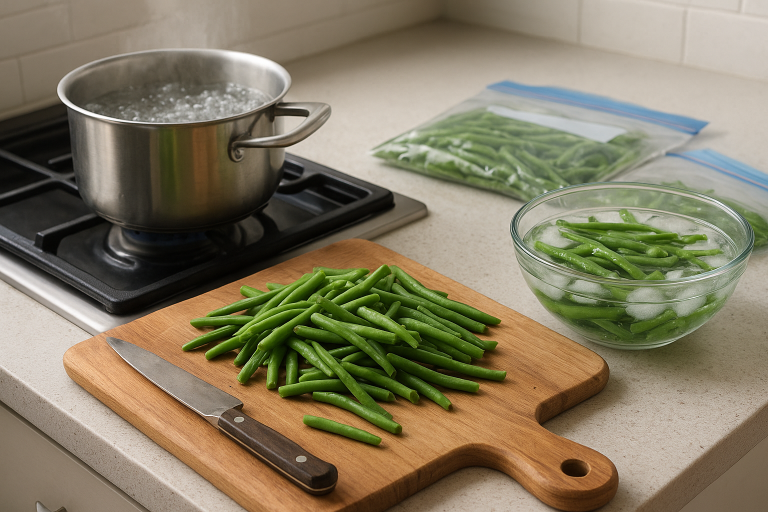
- Prep produce right away: wash greens, chop carrots, and portion snacks so they’re easier to use
- Freeze extras: bread, meat, soup, and even some cheese freeze well
- Store food where you can see it: use clear containers or group similar items together
- Use the oldest food first: rotate pantry and fridge items so they don’t get forgotten
When food is visible and easy to grab, it’s more likely to be cooked and eaten instead of tossed.
If you’re entering a grocery giveaway, read the details carefully
Many grocery-themed giveaways are simple to enter, but the rules matter. Some are open only to certain locations, and most require you to submit an entry through an online form before the closing date. A few quick checks can save frustration later:
- Confirm the eligibility rules for your region
- Watch the entry deadline closely
- Use the official entry form only
- Understand that winners are usually chosen at random
For example, a giveaway may be open to legal residents of the United States and Canada, with some location exceptions. It may also state that no purchase is necessary and that the promotion is not sponsored by the store named in the prize.
A simple plan if you win a large grocery gift card
If you do end up with a grocery gift card, think beyond one shopping trip. A smart approach is to divide the total into categories:
- 50% for core groceries and meal ingredients
- 25% for pantry stocking and freezer basics
- 15% for produce and perishables
- 10% for household essentials or a small convenience item
You can adjust those percentages based on your household size and what you already have on hand. The point is to make the money work over time, not disappear in one oversized cart.
The bottom line
A grocery gift card can do more than cover a single shopping spree. With a plan, it can help you stock a useful kitchen, reduce impulse buys, and build a stronger weekly routine around affordable meals.
Whether you’re shopping with a gift card, a tight budget, or both, the best strategy is the same: buy what you’ll use, cook what you buy, and waste as little as possible.