How to Clean a Washing Machine Filter Without a Mess
If your washer smells musty, drains slowly, or leaves clothes wetter than usual, the problem may be hiding behind a tiny access door near the floor. Learning how to clean a washing machine filter is one of those simple home maintenance jobs that can save you a service call and make laundry day less frustrating.
The exact design varies by brand and model, so always check your washer’s manual first. But for many front-load washers, the basic process is the same: drain the leftover water, remove the filter, rinse away lint and debris, and put everything back securely.
What the Washing Machine Filter Does
Many front-load washers have a drain pump filter, sometimes called a debris filter or coin trap. Its job is to catch small items before they reach the drain pump. Think lint, hair, buttons, coins, pet fur, collar stays, and the occasional mystery object from a pants pocket.
When that filter gets clogged, water has a harder time leaving the machine. You may notice a sour smell, standing water in the drum, a longer spin cycle, error codes, or clothes that come out heavy and dripping. Cleaning the filter does not fix every washer problem, but it is a smart first step before assuming something is broken.
Before You Start: Check Your Washer Type
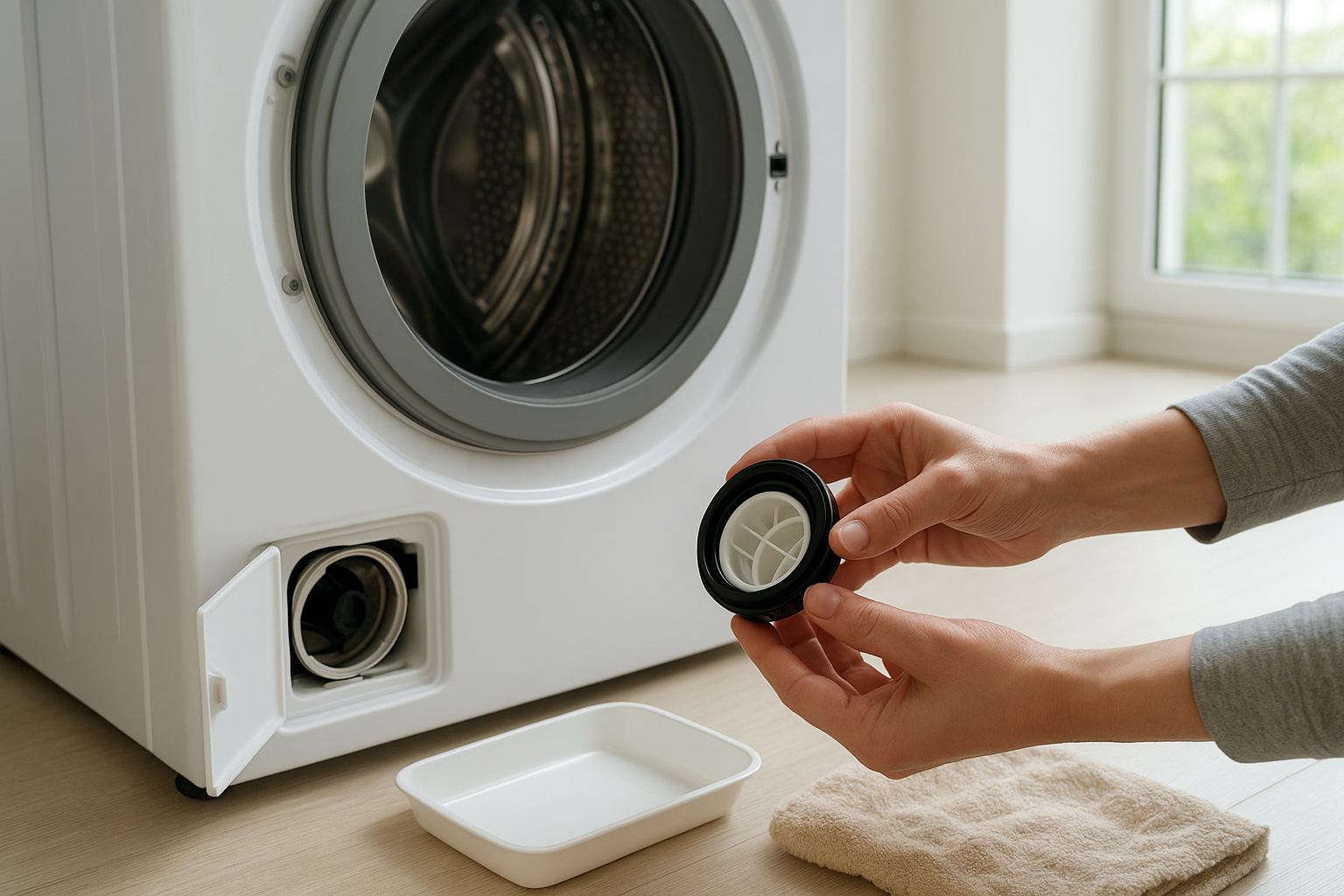
Look for a small square or rectangular panel near the bottom front of the washer. On many machines, this opens to reveal a short drain hose and a round filter cap. If you do not see a lower access door, your washer may have a different filter style, a self-cleaning pump system, or a filter located inside the agitator or along the top rim.
Do not force a panel open. Search your model number online or check the use and care guide if you are unsure. Some models require a technician to access internal parts, and forcing plastic trim can crack it.
Supplies You’ll Need
- Shallow pan, baking sheet, or small tray
- Old towels or rags
- Small bowl or bucket
- Soft brush, old toothbrush, or microfiber cloth
- Warm water
- Mild dish soap, if needed
- Flashlight
- Rubber gloves, optional but helpful
A shallow pan matters because the drain hose and filter are usually close to the floor. A tall bucket often will not fit underneath.
How to Clean a Washing Machine Filter
1. Turn Off and Unplug the Washer
Start with the washer powered off. For extra safety, unplug it from the wall. If you cannot reach the plug easily, turn the machine off and avoid touching electrical controls while you work around water.
2. Protect the Floor
Lay a thick towel under the filter access area. Slide a shallow pan or tray in front of the machine. Even if your washer looks empty, the filter housing can hold leftover water.
3. Open the Access Panel
Open the small lower panel. Some doors pop open with finger pressure; others may need a flat screwdriver or coin to release the tab. Work gently so you do not snap the hinge or clip.
4. Drain the Water Slowly
If your washer has a small drain hose, pull it out carefully and remove the cap while holding the hose over your shallow pan. Let the water drain. Replace the cap when the pan gets close to full, empty the pan, and repeat until the water stops.
If your machine does not have a small hose, the water may come out when you loosen the filter cap. In that case, turn the cap only a little at first and let water trickle into the towel-lined pan. Tighten it again when you need to empty the pan.
5. Remove the Filter
Once the water is drained, twist the filter cap counterclockwise and pull it out. Have a towel ready. You may find lint, hair, coins, grit, or small laundry items wrapped around the filter.
6. Rinse and Scrub the Filter
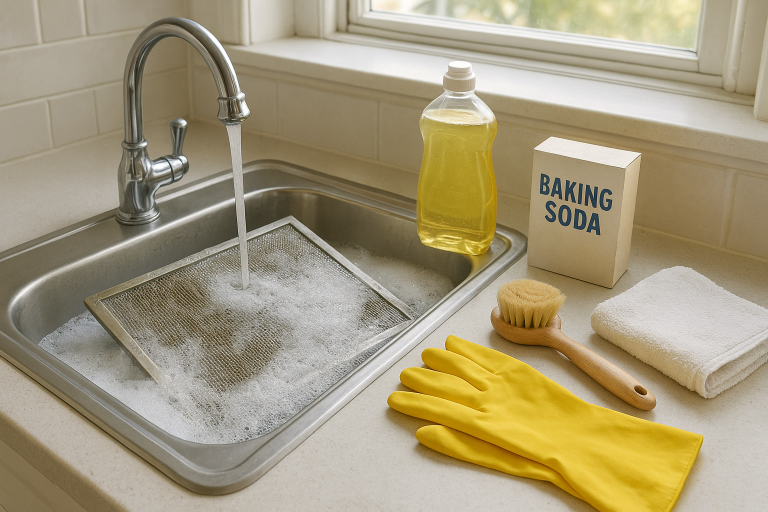
Rinse the filter under warm running water. Use a soft brush or cloth to remove buildup from the screen, threads, and cap. If it feels greasy or slimy, use a drop of mild dish soap, then rinse well.
Avoid harsh scraping tools that could damage the filter. Also avoid mixing cleaning products. If you use any cleaner on nearby surfaces, keep bleach, vinegar, ammonia, and other chemicals separate and rinse thoroughly.
7. Check the Filter Housing
Shine a flashlight into the filter opening. Wipe away lint or sludge you can reach with a cloth. If your manual allows it, check that the small pump impeller inside the housing can move freely. Do not jam tools deep into the opening.
8. Reinstall the Filter Securely
Slide the filter back into place and turn it clockwise until snug. It should sit straight and seal firmly. Do not cross-thread it, and do not overtighten so hard that it becomes difficult to remove next time.
9. Test for Leaks
Close the drain hose cap, tuck the hose back in, and leave the access panel open for the first test. Plug the washer back in and run a short rinse or drain-and-spin cycle. Watch the filter area for drips. If you see water, stop the machine, reseat the cap and filter, and test again.
How Often Should You Clean It?
A good household rule is to check the washing machine filter about once a month if you do frequent laundry, have pets, wash lots of towels, or often find tissues and pocket debris in clothes. For lighter laundry use, every two to three months may be enough.
Your washer’s manual may give a specific schedule, and that should be your guide. Clean it sooner if the washer smells bad, drains slowly, stops mid-cycle, shows a drain-related error code, or leaves water in the drum.
What If You Have a Top-Load Washer?
Top-load washers vary a lot. Some have removable lint filters inside the agitator, some have small basket filters near the upper rim, and some do not have a user-cleanable drain pump filter at all.
If you have a top-loader, look in three places: inside the center agitator, along the top edge of the tub, and behind any small removable lint screens. If nothing is obvious, check the manual before taking anything apart. A deep clog in a top-load washer may be in the drain hose or pump rather than a simple front filter.
How to Keep the Filter Cleaner Longer
- Empty pockets before every load. Coins, hair pins, screws, and tissues are common filter cloggers.
- Use a mesh bag for tiny items. Baby socks, reusable nursing pads, and small delicates can slip into places they should not.
- Brush pet hair off blankets first. A quick shake outside or a lint roller pass helps reduce buildup.
- Use the right amount of detergent. Too much detergent can leave residue that traps lint and feeds odor.
- Leave the washer door open after loads. Airflow helps the drum and gasket dry between washes.
- Wipe the gasket on front-loaders. Hair, lint, and moisture often collect in the rubber folds around the door.
If the Washer Still Smells After Cleaning the Filter
If the filter was dirty, cleaning it may make a noticeable difference right away. If odor remains, clean the door gasket, detergent drawer, and drum next. Run the washer’s tub clean or self-clean cycle if it has one, using a washing machine cleaner or the product recommended in your manual.
Do not pour random mixtures into the machine. Vinegar and bleach should never be mixed, and some manufacturers caution against using acidic cleaners on rubber parts. When in doubt, follow the washer maker’s directions.
When to Call a Pro
Call an appliance technician if the filter cap will not turn, the filter is cracked, the washer leaks after the filter is reinstalled, the pump makes a loud grinding noise, or the machine still will not drain after the filter and drain hose are clear.
For most homes, though, this is a very doable 15- to 30-minute job. Once you know where the filter is and how much water to expect, cleaning it becomes a quick maintenance habit that helps your washer drain better, smell fresher, and work the way it should.