Can You Mow a Neighbor’s Lawn Without Asking?
It can feel neighborly to take care of an overgrown yard while someone is away or having a hard time. But before you start a mower on land that isn’t yours, it’s smart to pause: a helpful gesture can quickly turn into a legal or personal problem if you enter without permission.
If you’re wondering whether it’s ever okay to mow a neighbor’s lawn without asking, the short answer is usually no. The best approach is to get clear permission first, even if you have good intentions and mean no harm.
Why good intentions aren’t enough
Most people would not be offended by a kind offer to help with yard work. The issue is not the mowing itself, but entering someone else’s property and deciding to do maintenance there without consent. In many places, stepping onto private property without permission can be treated as trespassing, even if you only plan to mow for a few minutes.
That matters because property owners may have reasons you can’t see from the street. They may be dealing with pets, irrigation lines, buried cables, children’s toys, garden beds, chemicals, or a schedule you know nothing about. What looks like a simple favor can become a liability issue or a disagreement about damage, boundaries, or expectations.
When mowing without asking becomes a problem
Here are some common ways an uninvited lawn-mowing “favor” can go wrong:
- You may enter private property without permission. Even a well-meaning step onto a driveway, side yard, or backyard can be viewed as trespassing in some situations.
- You could damage landscaping. Low edging stones, sprinkler heads, flower beds, decorative borders, and new plantings are easy to miss until it’s too late.
- You may create liability concerns. If you slip, trip, or get injured while working on someone else’s property, the homeowner may worry about being blamed or sued.
- You may trigger a conflict instead of gratitude. Some people are particular about the height of their grass, the route a mower takes, or who touches their yard equipment.
Even if your neighbor is friendly, “I was just trying to help” does not always fix a misunderstanding after the fact.
Better etiquette: ask first, then be specific
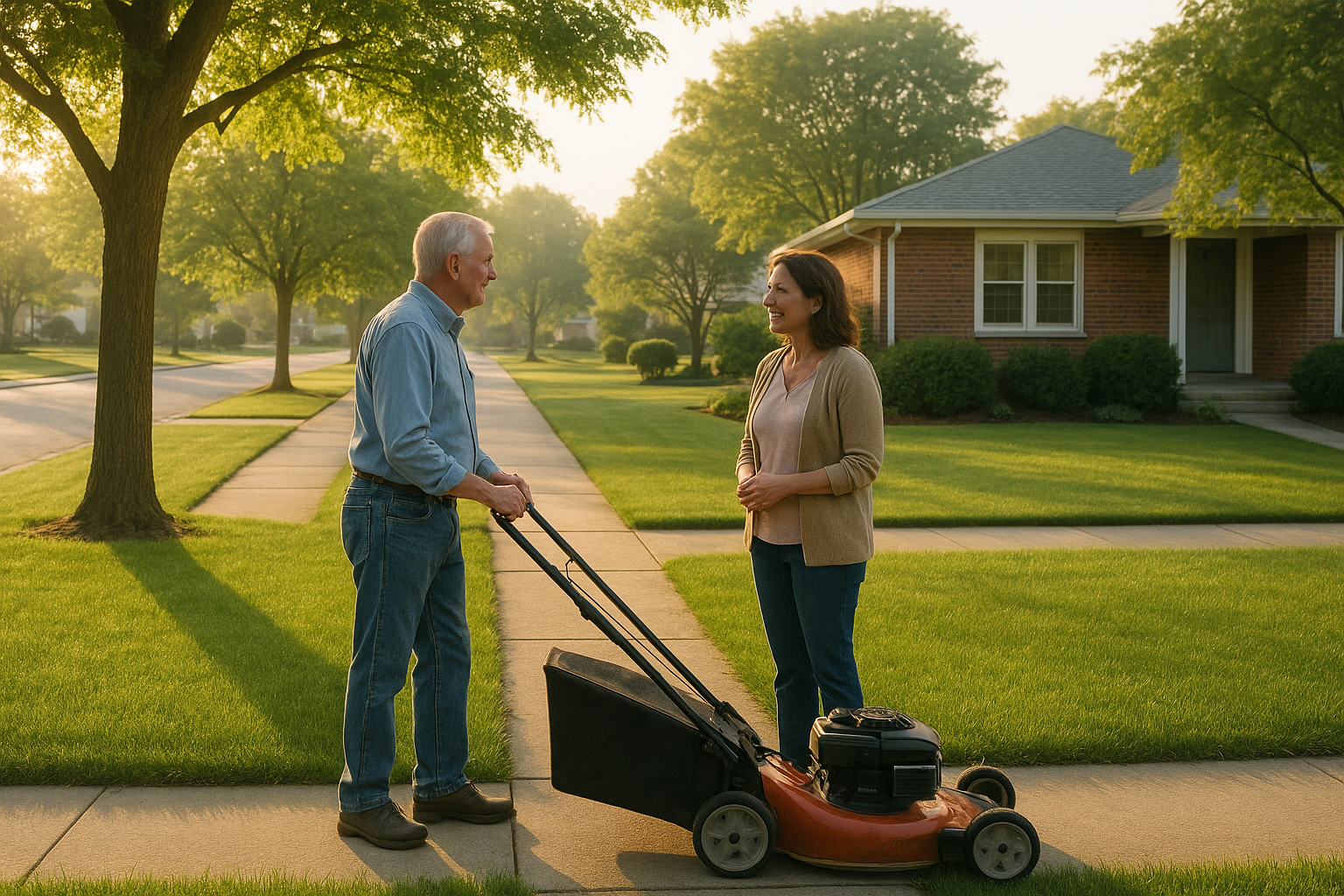
If you want to help, ask before you mow. A quick conversation can prevent awkwardness and shows respect for the other person’s property and preferences. Be clear about what you’re offering so they can easily say yes or no.
Try something simple like:
- “I’m heading out to mow my yard this afternoon. Would you like me to do yours too?”
- “If you’re away or busy, I’d be happy to mow the front lawn sometime this week, but only if that would help.”
- “I noticed the grass is getting long. Do you want a hand with it?”
That gives the neighbor control over their own space, which is really the heart of good etiquette.
When a neighbor may appreciate the help
There are plenty of situations where a mowing offer is likely to be welcomed, such as when someone is recovering from surgery, grieving, caring for a newborn, traveling, or physically unable to keep up with yard work. Still, even then, ask first. A person who needs help may have a system in place already, or they may prefer to hire someone they trust.
If they accept, a few details are worth confirming before you start:
- Which areas should be cut and which should be left alone
- Whether the grass should be cut short or left longer
- Where to avoid, including gardens, hoses, toys, or hard-to-see obstacles
- Whether you should use your mower or theirs
- Whether they want the clippings bagged, mulched, or left in place
These small questions help prevent frustration and damage.
What to do if you’re worried about an overgrown lawn
Sometimes the issue is not kindness but concern. A neglected yard can attract pests, block sidewalks, or look like the property has been abandoned. Even then, mowing it yourself is usually not the right first step.
Instead, try this:
- Knock or leave a note. The homeowner may simply be away or overwhelmed.
- Offer help instead of action. A friendly offer gives them a chance to explain the situation.
- Check local rules if the yard affects public space. If tall grass is spilling onto a sidewalk or creating a safety issue, your local code office or homeowners association may have a process for reporting it.
- Avoid cutting anything beyond your own boundary. Don’t assume you can “just trim a little” across the line.
If the property appears vacant, the safest path is still to contact the owner, landlord, or local authority rather than taking yard care into your own hands.
If the neighbor already said yes, keep it low-risk
Permission is the key step, but a little caution still matters. Before you mow, walk the area if the owner says it’s okay to do so, and look for anything that could damage the mower or become a hazard.
Pay attention to these common yard risks:
- Uneven ground and hidden holes
- Rock borders and edging stones
- Sprinkler heads close to the surface
- Toys, cords, pet waste, and garden tools
- Branches, sticks, or metal debris
Keep in mind that some properties have dogs, wildlife, or slippery shaded areas that aren’t obvious from the curb. If anything seems unsafe, stop and ask the owner before continuing.
The safest way to be a good neighbor
Being helpful and being respectful can go hand in hand. In most cases, the safest and kindest approach is to ask first, be clear about what you’re offering, and accept the answer gracefully. That protects the homeowner’s property, your relationship, and your own peace of mind.
If you want to help in a way that’s almost always welcome, consider these alternatives:
- Offer to bag leaves, pull weeds, or water plants with permission
- Bring over a list of local lawn services or handy contacts
- Help after asking about the person’s schedule and preferences
- Share tools only if they want to use them
In other words, don’t assume a favor is automatically a favor. A truly helpful neighbor respects boundaries first.
Bottom line
You should not mow a neighbor’s lawn without asking, even if your motive is kind. The better move is simple: get permission, clarify expectations, and only step onto their property with consent. That way, your good deed stays a good deed.