How to Clean a Humidifier Without Spreading Gunk
A humidifier can make dry indoor air much more comfortable, but only if the machine itself stays clean. If the tank gets slimy or crusty, that moisture can start smelling stale and may send unwanted minerals or microbes into the room.
The good news is that learning how to clean a humidifier is simple. A few minutes of daily care, plus a deeper weekly cleaning, will keep most tabletop humidifiers in much better shape.
Before You Start: Check Your Manual
Humidifiers vary a lot. Cool-mist, ultrasonic, evaporative, and warm-mist models may have different parts, filters, wicks, and cleaning limits. Always check the manual first, especially before using vinegar, bleach, peroxide, or putting any part in the dishwasher.
For most portable humidifiers, the basic idea is the same: empty old water, loosen mineral scale, scrub away residue, rinse very well, and let everything dry before reassembling.
What You’ll Need
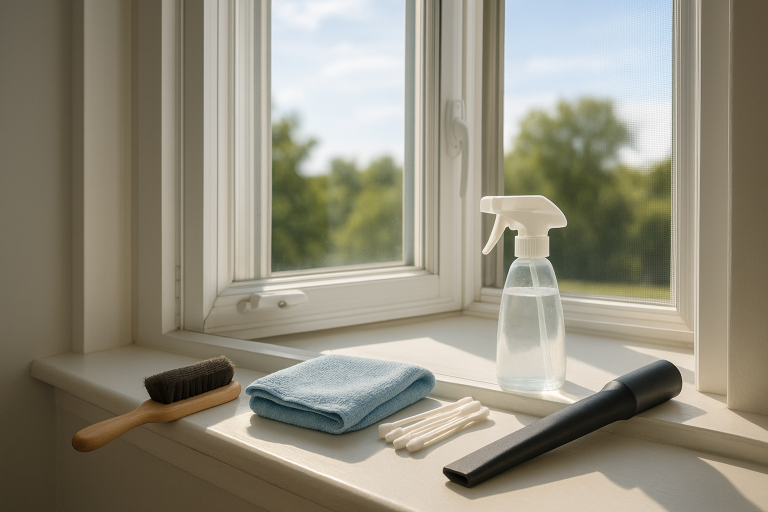
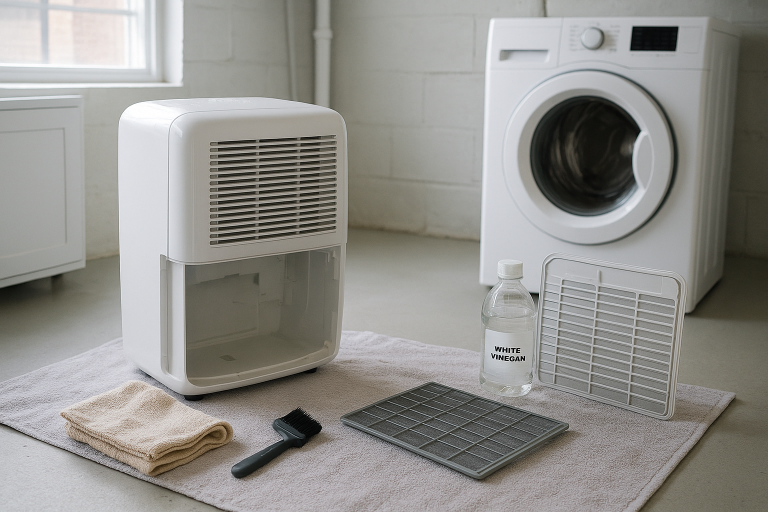
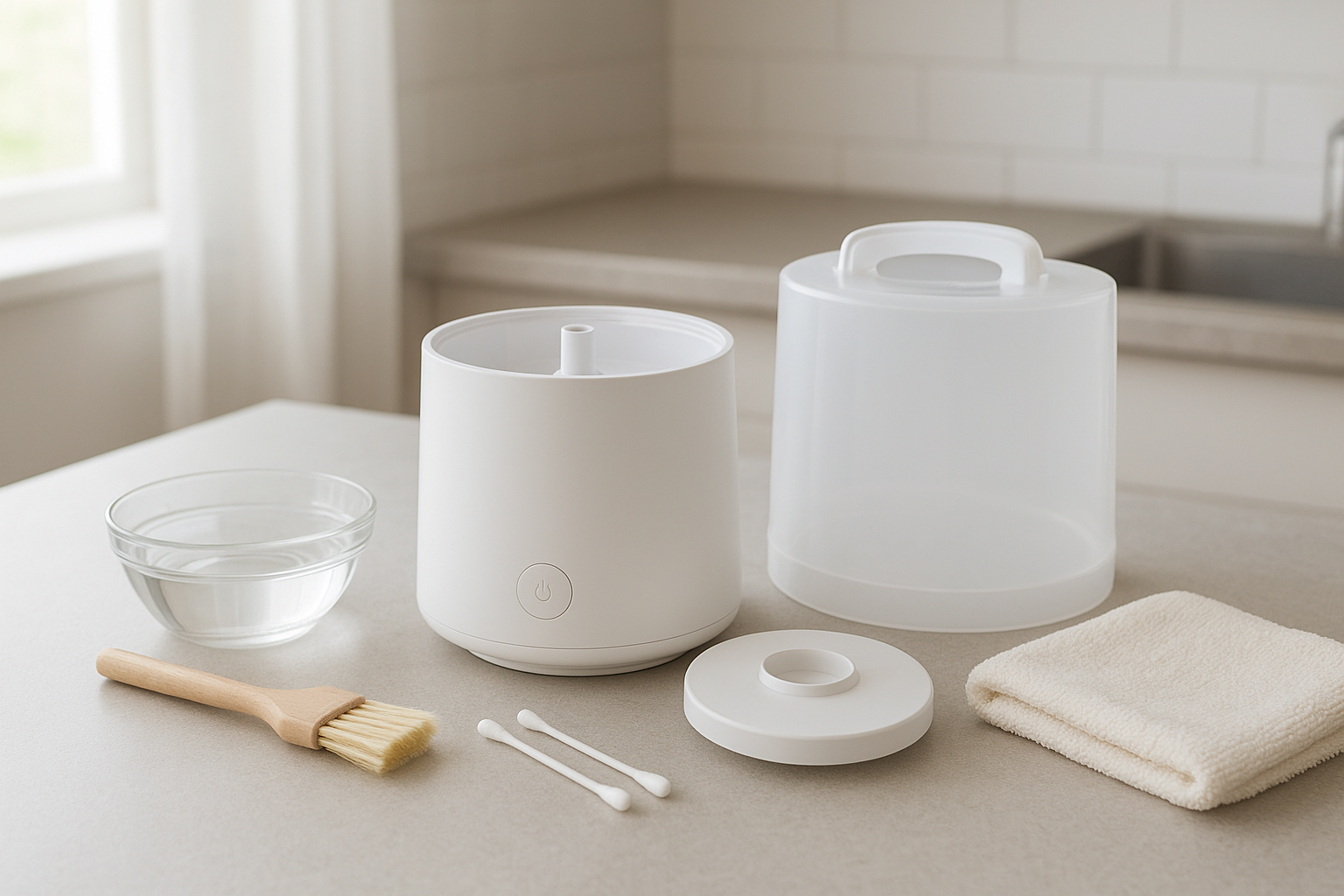
- Distilled white vinegar
- Clean water
- Soft bottle brush or small cleaning brush
- Cotton swabs or an old soft toothbrush
- Microfiber cloth or clean towel
- Optional: manufacturer-approved disinfectant or unscented household bleach, only if your manual allows it
- Rubber gloves, if using any disinfecting product
Daily Humidifier Care
The easiest way to prevent a gross humidifier is to stop water from sitting in it for days. When you are using the humidifier regularly, do this once a day:
- Turn it off and unplug it. Never clean the machine while it is plugged in.
- Empty the tank and base. Dump out leftover water instead of topping it off.
- Rinse with fresh water. Swish the tank and rinse the base area where water sits.
- Dry what you can reach. Use a clean towel, then leave the tank open to air-dry for a bit before refilling.
- Refill with fresh water. Distilled or demineralized water can help reduce white mineral dust and scale, especially in ultrasonic models.
This little routine matters. The EPA recommends careful use and maintenance of home humidifiers, including thorough rinsing after cleaners so chemicals are not dispersed into indoor air. ([epa.gov](https://www.epa.gov/indoor-air-quality-iaq/use-and-care-home-humidifiers?utm_source=openai))
How to Deep Clean a Humidifier with Vinegar
Plan to deep clean your humidifier about once a week, or more often if you see slime, smell mustiness, or have hard water buildup. Consumer Reports recommends daily rinsing and drying, with regular deeper cleaning to prevent mold and other contaminants. ([consumerreports.org](https://www.consumerreports.org/humidifiers/how-to-clean-your-humidifier-a3350069620/?EXTKEY=NH1CHTHP2&utm_source=openai))
1. Unplug and Take It Apart
Unplug the humidifier and move it to a sink or towel-lined counter. Remove the tank, cap, mist nozzle, tray, filter, wick, or any other removable parts according to the manual.
If your unit has a paper, foam, or wick-style filter, do not soak it in vinegar unless the manufacturer says to. Many filters are meant to be rinsed or replaced, not scrubbed with cleaners.
2. Empty All Old Water
Pour water out of both the tank and base. Pay attention to the base reservoir, because that shallow area often collects mineral scale and slippery film.
3. Soak the Tank with Vinegar
Pour enough distilled white vinegar into the tank to coat the inside surfaces. For a large tank, you can use a mix of vinegar and water, but straight vinegar works well for stubborn mineral scale. Close the cap, gently swish, and let it sit for 20 to 30 minutes.
Do not run the humidifier with vinegar in it. The vinegar is for soaking and cleaning only.
4. Soak the Base Carefully
Pour vinegar into the base reservoir just high enough to cover the crusty or scaled areas. Avoid getting liquid into the motor, fan opening, cord area, or control panel. Let it sit for 20 to 30 minutes.
5. Scrub Crevices Gently
Use a soft brush, cotton swab, or old toothbrush to loosen mineral deposits around seams, caps, the mist outlet, and small channels. Be gentle around sensors, floats, and delicate parts.
If the scale is not coming off, add fresh vinegar and soak a little longer. Avoid knives, metal tools, or abrasive pads, which can scratch plastic and create more places for grime to cling.
6. Rinse Until the Smell Is Gone
Rinse the tank, cap, nozzle, and base with several changes of clean water. This step is important. Any cleaner left behind can end up in the mist the next time the humidifier runs.
7. Dry Completely
Wipe reachable areas with a clean cloth, then let the parts air-dry fully. Reassemble only when the pieces are dry or when you are ready to refill and use the humidifier.
Should You Disinfect a Humidifier?
Sometimes vinegar is enough for mineral scale and light residue. If the humidifier has had visible slime, a sour smell, or has been sitting with water in it, you may want to disinfect it after cleaning, but only with a product and dilution your manual approves.
If using bleach is allowed, use only plain, unscented household bleach and follow the humidifier maker’s directions exactly. Never mix bleach with vinegar, ammonia, dish soap, or any other cleaner. The CDC warns that bleach should not be mixed with ammonia or other cleansers because dangerous fumes can form. ([cdc.gov](https://www.cdc.gov/mold-health/about/clean-up.html?utm_source=openai))
After disinfecting, rinse the tank and base repeatedly with clean water until there is no cleaner smell at all. If you can still smell bleach or another disinfectant, keep rinsing.
How to Prevent White Dust, Slime, and Musty Smells
- Use distilled or demineralized water. The Consumer Product Safety Commission advises using distilled or demineralized water to reduce mineral buildup in room humidifiers. ([cpsc.gov](https://www.cpsc.gov/s3fs-public/5046.pdf?utm_source=openai))
- Do not top off old water. Empty the tank first, then refill with fresh water.
- Keep humidity in a comfortable range. Too much moisture can encourage mold and dust mites. If windows sweat or surfaces feel damp, turn the humidifier down or off.
- Replace filters and wicks on schedule. A smelly wick can make the whole machine smell bad.
- Store it dry. At the end of the season, clean the humidifier, rinse it well, dry every part completely, and store it with the tank cap loosened or off.
When to Replace Parts—or the Whole Humidifier
Replace the filter or wick if it stays discolored, smells musty, feels slimy, or has hard deposits that will not rinse away. Replace cracked tanks, leaky caps, or any part with damaged seals.
It may be time for a new humidifier if the tank has areas you cannot reach, the base always smells bad after cleaning, or mineral buildup keeps returning immediately. When shopping for a replacement, look for a wide tank opening, simple removable parts, and clear cleaning instructions.
Quick Cleaning Schedule
- Every day: Empty, rinse, dry, and refill with fresh water.
- Every week: Deep clean with vinegar to remove scale and residue.
- As needed: Disinfect only according to the manual, then rinse extremely well.
- End of season: Clean, dry completely, and store open so trapped moisture cannot turn musty.
A clean humidifier does not take much work, but consistency makes all the difference. Empty it daily, give it a real weekly cleaning, and never let old water sit around. Your humidifier will smell fresher, run better, and be much less of a chore to deal with.