A Stylish Gardening Jacket Without the Designer Price Tag
A good gardening jacket should do more than look nice hanging by the back door. It needs to keep you warm during early starts, hold up to dirt and snags, and still feel comfortable when you’re bending, digging, or carrying pots across the yard.
If you’ve been admiring the rise of utility-inspired garden wear, you’re not alone. The best versions mix easy movement, practical pockets, and weather-ready fabric with a relaxed shape that works just as well for a quick coffee run as it does for a morning of deadheading.
What makes a great gardening jacket?
Before buying any jacket for garden use, think about how you actually spend time outside. Are you mostly potting up seedlings on a patio, or are you out in the garden hauling compost, pruning shrubs, and watering beds in the drizzle? The right choice depends on the job.
Look for these features:
- Roomy sleeves and shoulders so you can lift and reach without feeling restricted.
- Durable fabric such as cotton canvas, twill, denim, or a waxed finish for extra resilience.
- Useful pockets for secateurs, twine, gloves, seed packets, or a phone.
- Easy layering so it fits over a sweatshirt in cool weather.
- Simple closures like ties, snaps, or a zipper you can manage with muddy hands.
Style matters too, especially if you want one piece that can move between the garden and everyday life. A neutral color, clean shape, and slightly oversized fit make a jacket feel more versatile and less like hard-wearing workwear only.
Three affordable jacket styles worth considering
Instead of chasing a single designer look, it helps to narrow your search by silhouette. These three styles give you the same relaxed, practical feel without the luxury price tag.
1. The Japanese-inspired cotton jacket
This style is ideal if you like a loose, calm shape that feels almost like a robe or wrap top. It usually has a simple cut, wide sleeves, and a soft structure that makes it very comfortable for light gardening tasks.
Best for: tidying borders, watering, repotting, and relaxed weekend pottering.
Why it works: it offers freedom of movement and a distinctive look without trying too hard. It also layers well over T-shirts, knitwear, or overalls.
What to check: make sure the fabric is sturdy enough for real use. A lightweight decorative version may look lovely but won’t hold up as well around thorns, tools, or wet soil.
2. The barn coat
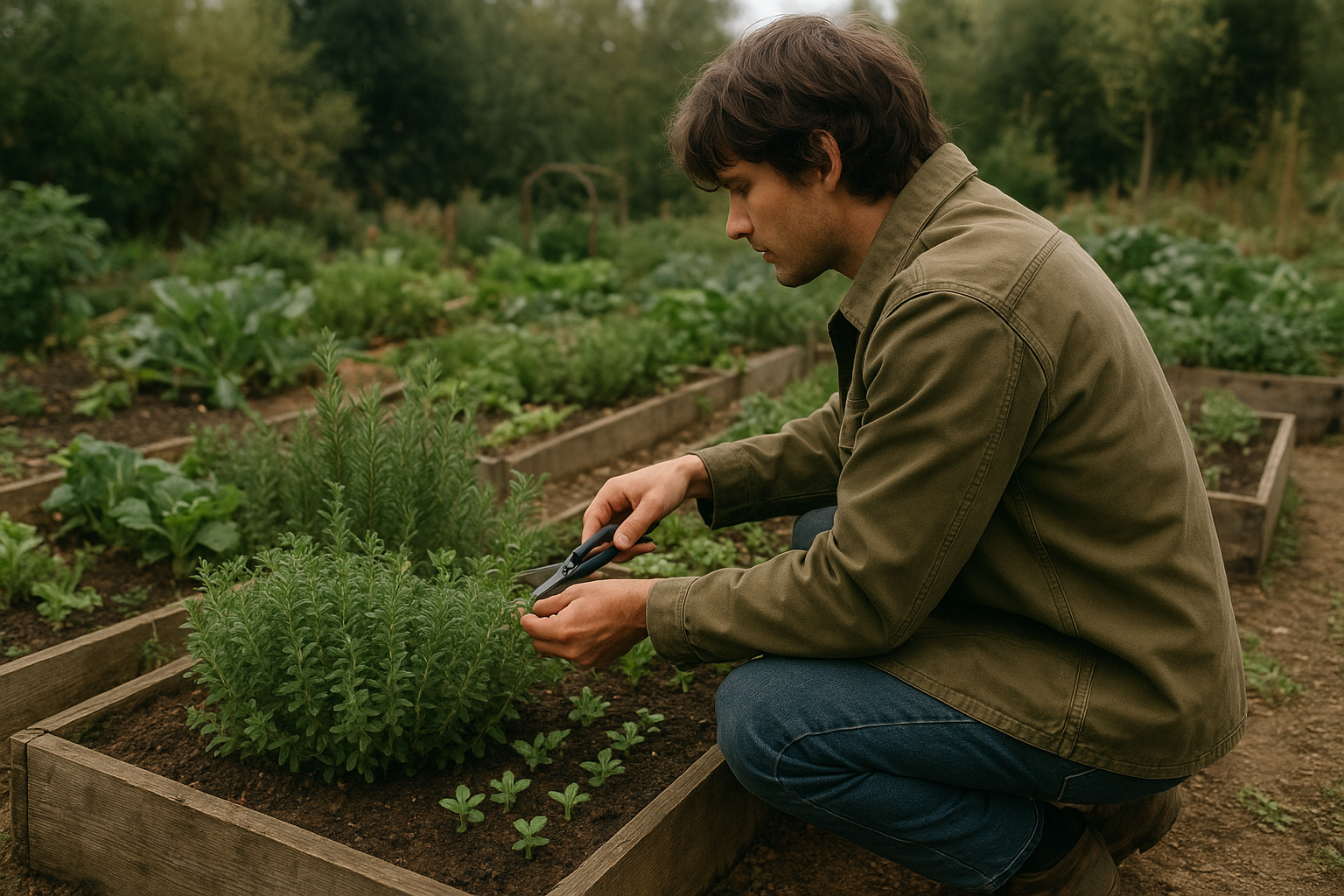
A barn coat is one of the most practical outer layers for garden work. It usually has a boxy fit, flap pockets, and a tough outer shell that can handle muddy jobs better than a delicate fashion jacket.
Best for: compost runs, hedge trimming, chilly mornings, and wet-weather chores.
Why it works: it feels classic and dependable, and you can wear it long after the gardening season ends.
What to check: choose a length that covers your waist and lower back, especially if you kneel often. A slightly longer cut can make a big difference when the wind picks up.
3. The hooded utility layer
If your weather changes quickly, a hooded jacket is often the most useful choice. It bridges the gap between a casual coat and garden workwear, especially if you want something easy to throw on when you step outside.
Best for: early spring, damp evenings, and gardening in unpredictable conditions.
Why it works: a hood adds protection without needing a separate hat, and the utility style usually includes pockets and a relaxed fit.
What to check: look for a hood that stays in place and a fabric that dries quickly if it gets damp from mist or light rain.
How to choose the right fabric
Fabric can make the difference between a jacket you wear constantly and one that gets left on a hook. For garden use, comfort and practicality matter more than trendiness alone.
- Cotton: breathable and comfortable, especially for dry days and light work.
- Canvas: tougher and more abrasion-resistant, great if you often carry tools or work near rough surfaces.
- Denim: durable and easy to style, though it can feel heavier when wet.
- Waxed cotton: useful in damp conditions because it sheds light rain better than untreated fabrics.
- Quilted fabrics: ideal for cool weather, especially if you garden early or live somewhere breezy.
If you’re choosing just one jacket, a midweight cotton canvas or denim option is often the most versatile. It’s sturdy enough for practical use but not so bulky that it becomes awkward indoors.
Small details that make a big difference
It’s easy to focus on the overall look and overlook the details that matter in real life. But the little things can determine whether a gardening jacket feels helpful or annoying.
- Pocket placement: chest pockets are handy for small items, while lower patch pockets can hold gloves or seed packets.
- Cuff shape: elastic or buttoned cuffs help keep sleeves out of the way when watering or pruning.
- Length: a slightly longer hem helps protect your lower back when you bend over.
- Washability: check whether the jacket can be machine washed, especially if you plan to wear it for messy jobs.
- Color: olive, navy, tan, and charcoal hide dirt better than pale shades.
A jacket that looks good but can’t be cleaned easily may end up being reserved for special occasions. In a working garden, that’s probably not what you want.
How to style a gardening jacket for everyday wear
One of the best things about a well-chosen gardening jacket is that it doesn’t have to stay in the shed. If the shape is simple and the color is neutral, it can slot into your regular wardrobe with very little effort.
Try pairing it with:
- straight-leg jeans and boots for errands or school runs
- leggings and a sweatshirt for a quick outdoor job
- a striped tee and trainers for a casual weekend look
- cord trousers or dungarees for a cozy, workwear-inspired outfit
The trick is to keep the rest of the outfit relaxed. A jacket with utility details already does enough on its own, so you don’t need to overcomplicate it.
Care tips so it lasts through the seasons
Garden clothing gets exposed to mud, sap, rain, and plenty of wear, so a little maintenance goes a long way. If you want your jacket to stay looking good, give it basic care after each use.
- Shake off dirt before bringing it inside.
- Let it dry fully if it gets damp, instead of stuffing it into a cupboard.
- Brush off dry soil before washing to avoid clogging the machine.
- Wash on a gentle cycle whenever possible to preserve fabric and shape.
- Store it on a hook near your boots or tools so it’s easy to grab next time.
If your jacket is waxed or treated, follow the care label closely. Those finishes often need special treatment to keep them weather-resistant.
The bottom line
A good gardening jacket doesn’t need a luxury price tag to feel special. Whether you prefer a soft Japanese-inspired shape, a rugged barn coat, or a practical hooded layer, the best choice is the one that suits your climate, your tasks, and the way you actually move through the garden.
Focus on comfort, durability, and pockets that earn their keep. That way, you’ll end up with a jacket you reach for all season long, not just one that looks nice in a photo.