Easy Homemade BBQ Sauce for Grilling and Dipping
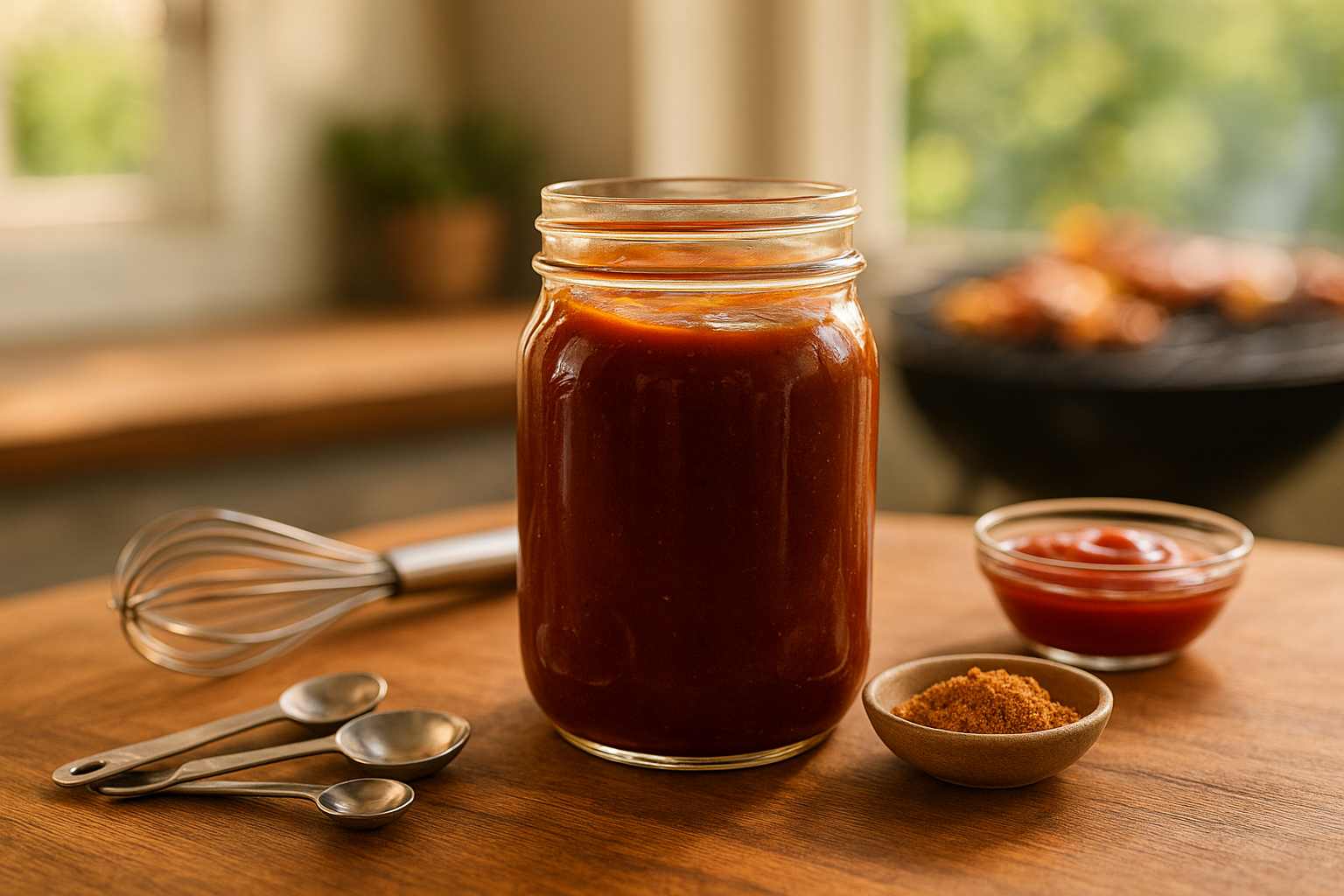
When you want bold, smoky-sweet flavor without relying on a store-bought bottle, homemade BBQ sauce is the answer. It’s quick to stir together, easy to customize, and useful far beyond grilling season.
This version uses everyday pantry ingredients to create a sauce that’s thick, balanced, and versatile enough for ribs, chicken, pulled pork, burgers, roasted vegetables, and dipping fries. Once you make it yourself, you may not want to go back to the packaged kind.
Why make BBQ sauce at home?
Homemade sauce gives you more control over the flavor and texture. You can make it sweeter, smokier, sharper, or spicier depending on what you’re serving. It also tends to taste fresher than many bottled versions, which can lean overly sweet or one-note.
Another bonus: you can use ingredients you probably already have. Ketchup forms the base, while vinegar, brown sugar, and spices build depth. A short simmer helps everything meld into a glossy sauce that clings beautifully to food.
Ingredients you’ll need
Here’s a simple formula that works well as a starting point:
- Ketchup for body, color, and sweetness
- Apple cider vinegar for tang and balance
- Brown sugar for caramel-like sweetness
- Molasses for deeper flavor and richness
- Worcestershire sauce for savory complexity
- Onion powder and garlic powder for a classic barbecue backbone
- Smoked paprika for gentle smokiness
- Mustard for brightness and a subtle bite
- Cayenne or chili powder if you want a little heat
- Water to loosen the sauce if needed
If you’re missing one ingredient, don’t panic. This recipe is forgiving. The goal is a sauce that tastes balanced rather than exact.
How to make homemade BBQ sauce
-
Combine everything in a saucepan. Add the ketchup, vinegar, brown sugar, molasses, Worcestershire sauce, mustard, and spices to a medium saucepan.
-
Stir until smooth. Use a whisk or spoon to dissolve the sugar and break up any clumps in the spices.
-
Simmer gently. Bring the mixture to a low bubble over medium-low heat, then reduce the heat and cook for 15 to 20 minutes. Stir often so the sauce doesn’t catch on the bottom.
-
Adjust the consistency. If you want a thinner sauce for mopping or dipping, add a splash of water. For a thicker sauce, simmer it a few minutes longer.
-
Taste and finish. Add more vinegar for tang, sugar for sweetness, or cayenne for heat. Let it cool before storing.
Flavor variations to try
One of the best things about making your own sauce is how easy it is to adapt. Here are a few directions you can take it:
Spicier BBQ sauce
Add more cayenne, a pinch of crushed red pepper, or a dash of hot sauce. This works well for wings, grilled sausages, and pulled pork sandwiches.
Smokier BBQ sauce
Increase the smoked paprika slightly or add a tiny amount of chipotle powder. You can also use a little liquid smoke, but go slowly because it’s potent.
More tangy BBQ sauce
Use a little extra vinegar or mustard. Tangier sauces pair especially well with rich meats and creamy side dishes like coleslaw or potato salad.
Sweeter BBQ sauce
Add a bit more brown sugar or a spoonful of honey. This style is great for glazing chicken toward the end of grilling.
Thicker, glaze-style sauce
Simmer longer until the sauce coats the back of a spoon. This is ideal when you want the sauce to cling to grilled food rather than run off.
Best ways to use it
Homemade BBQ sauce is one of those kitchen staples that earns its keep fast. Try it with:
- Grilled chicken brushed on during the last few minutes of cooking
- Ribs as a finishing glaze
- Pulled pork mixed in or served on the side
- Burgers and sandwiches for a smoky, tangy kick
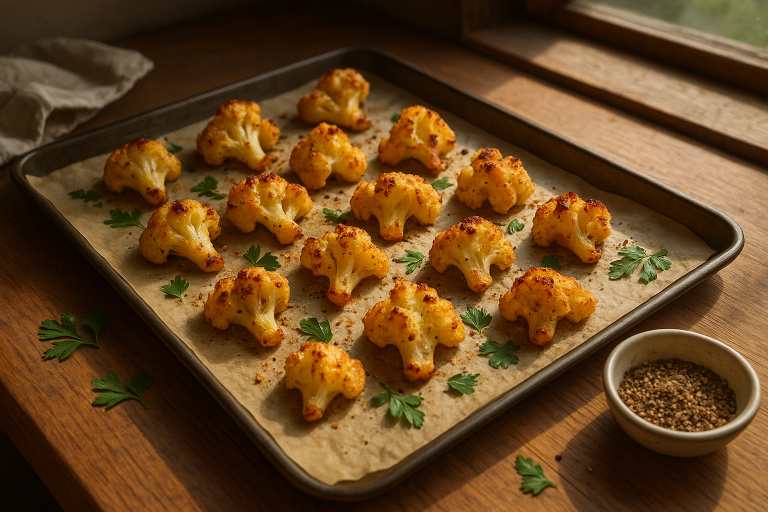
- Roasted cauliflower or tofu for a vegetarian main dish
- French fries, onion rings, or nuggets as a dip
- Meatloaf as a flavorful topping near the end of baking
For grilling, remember that sauces with sugar can burn if applied too early. Brush it on during the final stretch, when the meat is nearly cooked through. If you want to baste earlier, keep the heat moderate and watch closely.
Storage and make-ahead tips
Let the sauce cool completely before transferring it to a jar or airtight container. Stored in the refrigerator, it should keep well for up to two weeks. In many cases it lasts even a bit longer, but always check for off smells or visible changes before using.
You can also make a double batch and keep extra on hand for quick weeknight meals. The flavor often improves after a day in the fridge, since the spices have more time to blend.
Can you freeze BBQ sauce?
Yes. If you won’t use it within a couple of weeks, portion the sauce into freezer-safe containers or zip-top bags and freeze it for later. Thaw in the refrigerator and stir well before serving.
Helpful troubleshooting
If the sauce tastes too sweet: add a little vinegar or a small pinch of salt to sharpen the flavor.
If it tastes too sharp: stir in more ketchup or a bit more brown sugar and simmer briefly.
If it’s too thick: whisk in water a tablespoon at a time until it loosens.
If it’s too thin: simmer uncovered a little longer until it reduces.
If the flavor seems flat: add a pinch of salt, a little more smoked paprika, or a splash of Worcestershire sauce.
A simple homemade staple worth keeping around
Once you have a reliable homemade BBQ sauce in your back pocket, it becomes one of those recipes you reach for again and again. It’s quick enough for a weeknight, tasty enough for cookouts, and flexible enough to fit whatever’s in the fridge or pantry.
Keep the base recipe simple, then tweak it to match your favorite foods. Whether you love sticky-sweet, tangy, or smoky sauce, this easy homemade version can be adjusted to suit your table.