Easy Pasta Salad Recipes for Parties and Meal Prep
When the weather warms up, few dishes are as reliable as pasta salad. It is easy to make ahead, serves a crowd, and can be built from whatever vegetables, cheese, and leftovers you already have in the fridge.
The best pasta salad recipes have a few things in common: sturdy pasta, a dressing with enough punch to season every bite, and ingredients that stay crisp instead of turning soggy. Once you know the formula, you can mix and match flavors for potlucks, lunches, or a quick side dish at dinner.
What Makes a Great Pasta Salad
A good pasta salad should taste bright and well-seasoned even after chilling. Cold food mutes flavor, so the dressing needs to be a little bolder than you might expect. Acid from vinegar or citrus, salt, herbs, and a little fat from olive oil or mayonnaise all help the salad stay lively.
Texture matters just as much. Soft noodles plus soft vegetables can turn mushy fast, so it helps to include a mix of crunchy and tender ingredients. Think bell peppers, cucumbers, celery, peas, cherry tomatoes, olives, beans, or roasted vegetables.
Choose the Right Pasta Shape
Short pasta works best because it catches dressing and mixes easily with chopped add-ins. Some of the most dependable options include:
- Rotini for holding dressing in its spirals
- Fusilli for a similar twirl and lots of surface area
- Penne for a hearty, easy-to-scoop bite
- Farfalle for a pretty shape that stays sturdy
- Orzo for a lighter, spoonable salad
Long noodles are less practical for most pasta salads because they tangle and can be harder to serve at a party. If you want the salad to hold up well for a few days, stick with shapes that keep their bite after chilling.
How to Build a Flavorful Pasta Salad
The easiest way to make pasta salad recipes work every time is to use a simple formula. Start with pasta, add vegetables, include something salty or savory, then finish with dressing and herbs.
A Simple Formula
- Pasta: Use about 8 ounces dry pasta for a smaller side dish or 1 pound for a larger bowl.
- Vegetables: Choose 2 to 3 cups of chopped vegetables for color and crunch.
- Protein or extras: Add beans, chickpeas, cheese, chicken, tuna, pepperoni, or salami if you want a more filling meal.
- Dressing: Use enough to coat everything well, then add a little more before serving if needed.
- Fresh finish: Herbs, green onions, lemon zest, or a handful of arugula can brighten the whole bowl.
If you are making the salad in advance, save a little dressing on the side. Pasta absorbs liquid as it sits, so a quick toss right before serving helps restore the texture.
Dressing Ideas That Work Well
One of the biggest advantages of pasta salad is how many dressing styles it can handle. You can go tangy and light, creamy and rich, or somewhere in between.
1. Italian Vinaigrette
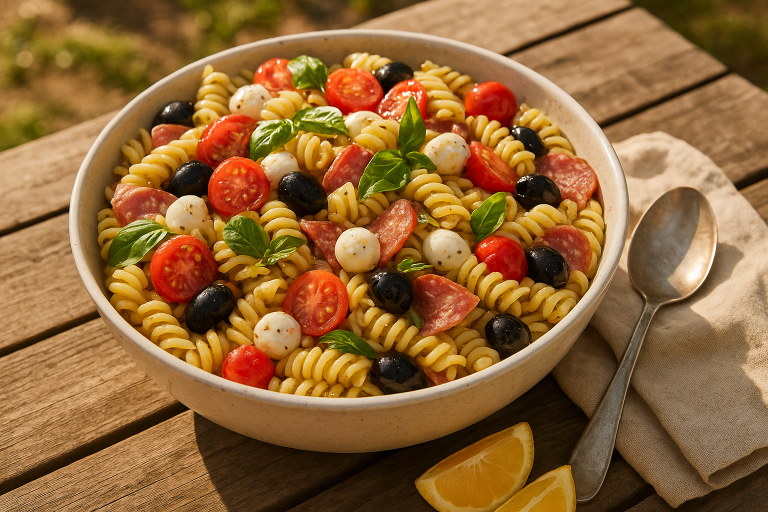
This is a classic choice for a party-friendly salad. Olive oil, vinegar, garlic, mustard, and dried herbs create a punchy dressing that keeps the pasta from tasting flat. It works especially well with tomatoes, olives, cucumbers, mozzarella, and pepperoni.
2. Lemon Herb Dressing
For a fresher, brighter salad, whisk together lemon juice, olive oil, Dijon mustard, minced garlic, salt, and chopped herbs. This style pairs nicely with asparagus, peas, feta, or grilled chicken.
3. Creamy Dressing
A mayonnaise-based dressing is rich, comforting, and great for classic deli-style pasta salads. It becomes especially tasty with celery, red onion, pickles, hard-boiled eggs, or shredded chicken. To keep it from feeling heavy, add a splash of vinegar or pickle brine for tang.
4. Peanut or Sesame Dressing
If you want something a little different, try an Asian-inspired dressing with peanut butter, soy sauce, rice vinegar, sesame oil, and a touch of honey. It is excellent with shredded cabbage, carrots, scallions, and edamame.
Easy Pasta Salad Combinations to Try
Here are a few flavor combinations that are dependable, flexible, and easy to scale up for a crowd.
Classic Garden Pasta Salad
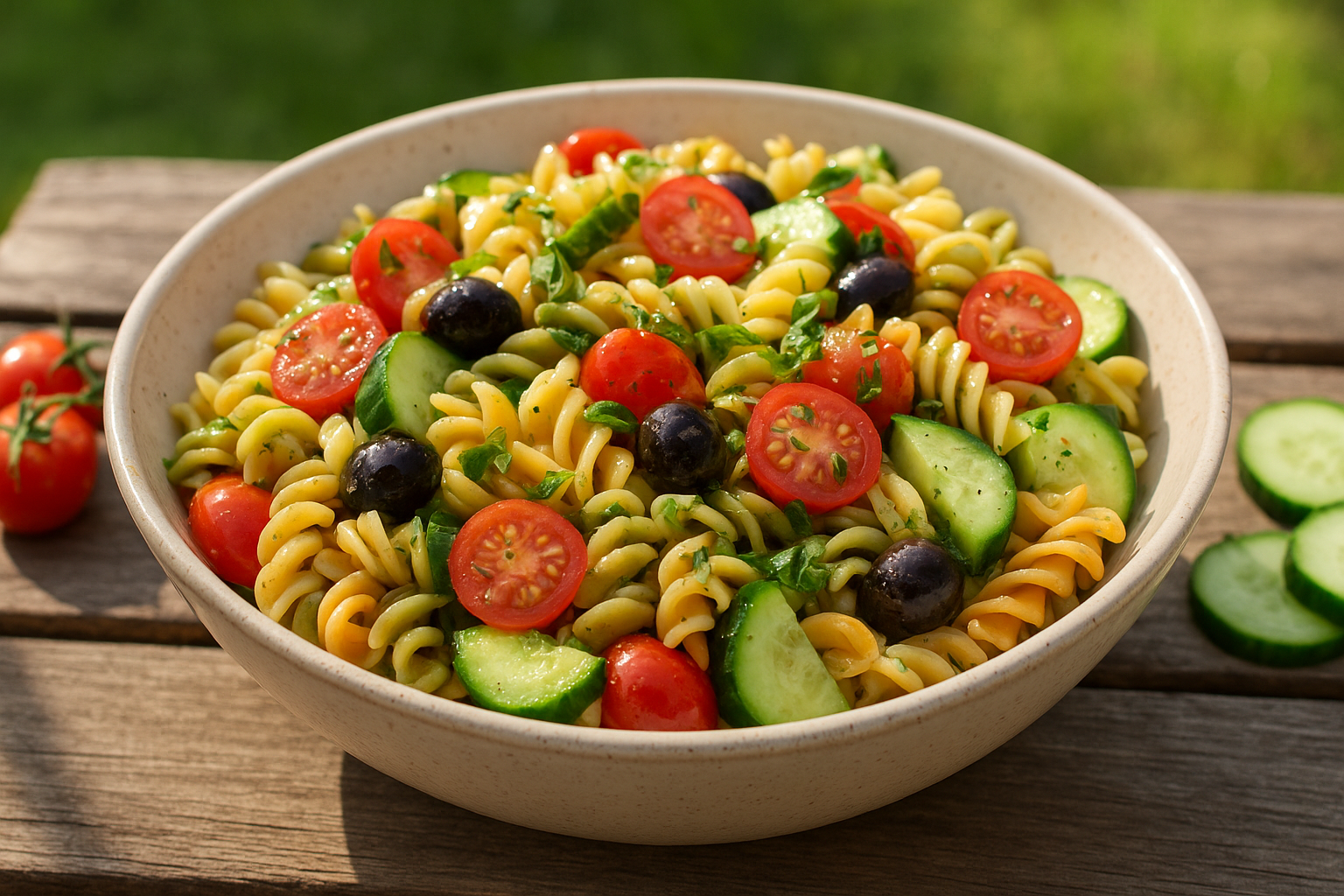
Toss rotini with cherry tomatoes, cucumbers, bell peppers, red onion, black olives, mozzarella cubes, and Italian dressing. Finish with basil or parsley. This is a strong all-purpose option for cookouts and potlucks.
Mediterranean Pasta Salad
Use penne or farfalle with cucumbers, tomatoes, red onion, chickpeas, feta, olives, and a lemon-herb vinaigrette. Add chopped spinach or arugula just before serving for extra freshness.
BLT-Inspired Pasta Salad
Combine pasta with bacon, lettuce or romaine, cherry tomatoes, and a creamy dressing. For the best texture, add the lettuce right before serving so it stays crisp.
Broccoli Cheddar Pasta Salad
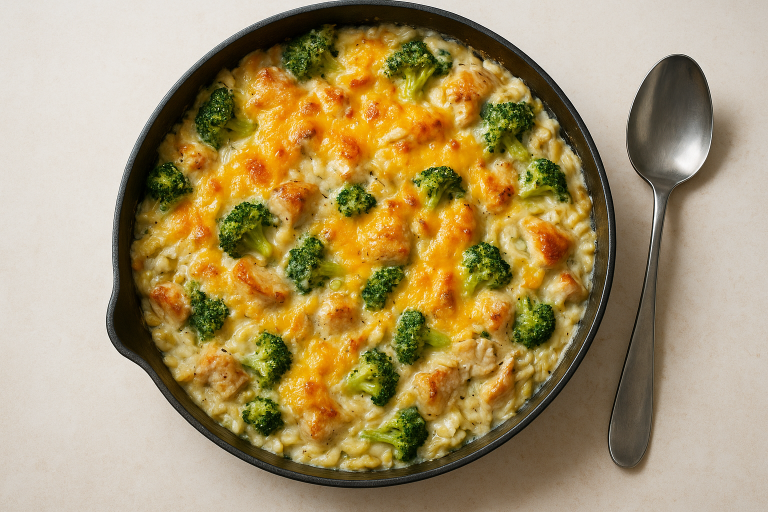
Mix short pasta with small broccoli florets, cheddar, red onion, and a tangy creamy dressing. Blanch the broccoli briefly if you prefer it less crunchy, then cool it completely before mixing.
Southwest Pasta Salad
Use pasta with black beans, corn, diced peppers, scallions, cilantro, and a zippy lime dressing. Avocado is delicious here, but add it at the end so it does not brown.
Make-Ahead Tips for Better Texture
Pasta salad is one of the best make-ahead recipes, but a few small steps make a big difference.
- Cool the pasta properly: Drain it and rinse briefly with cool water if you want a cold salad right away. For the best texture, drain well so the dressing does not get watered down.
- Season in layers: Add a bit of salt while cooking the pasta, then season the dressing and taste again after mixing.
- Chill before serving: Let the salad sit in the refrigerator for at least 30 minutes so the flavors can blend.
- Refresh before serving: Stir in a splash of dressing, lemon juice, or olive oil if the salad seems dry.
- Keep delicate ingredients separate: Add herbs, lettuce, avocado, or tender greens just before serving.
Common Mistakes to Avoid
Even simple pasta salad recipes can go wrong if the balance is off. Here are the most common issues and how to avoid them.
- Overcooking the pasta: Soft pasta turns mushy after chilling. Cook it just until al dente.
- Underseasoning: Cold dishes need more seasoning than hot ones. Taste before serving and adjust.
- Using too much dressing at once: Start with most of it, then add more as needed after the salad has chilled.
- Choosing watery vegetables: Tomatoes, cucumbers, and zucchini are fine, but remove excess seeds or moisture when needed.
- Skipping contrast: Include something crunchy, something salty, and something fresh so every bite feels complete.
Serving Ideas
Pasta salad works with so many meals that it is worth keeping in regular rotation. Serve it beside grilled chicken, burgers, ribs, or sandwiches. It also makes a solid lunch on its own when you add protein like chickpeas, tuna, or diced chicken.
If you are bringing it to a gathering, transport it in a covered bowl and pack a small container of extra dressing. A final toss right before setting it on the table will help the salad look glossy and taste freshly made.
Storage and Leftovers
Most pasta salads keep well in the refrigerator for 3 to 4 days, depending on the ingredients. Store them in a sealed container and give them a stir before serving. If the pasta has soaked up dressing, add a little more oil, vinegar, or mayo-based dressing to bring it back to life.
For the safest and best-tasting leftovers, keep salads with lettuce, avocado, or fresh herbs separate if possible. Those ingredients are best added right before eating.
Final Thought
The beauty of pasta salad is how adaptable it is. Once you understand the basic balance of pasta, vegetables, dressing, and texture, you can create endless variations from pantry staples and fresh produce. Whether you are planning a picnic, packing lunches, or feeding a hungry crowd, pasta salad recipes are a simple way to make something satisfying without turning on the oven for long.