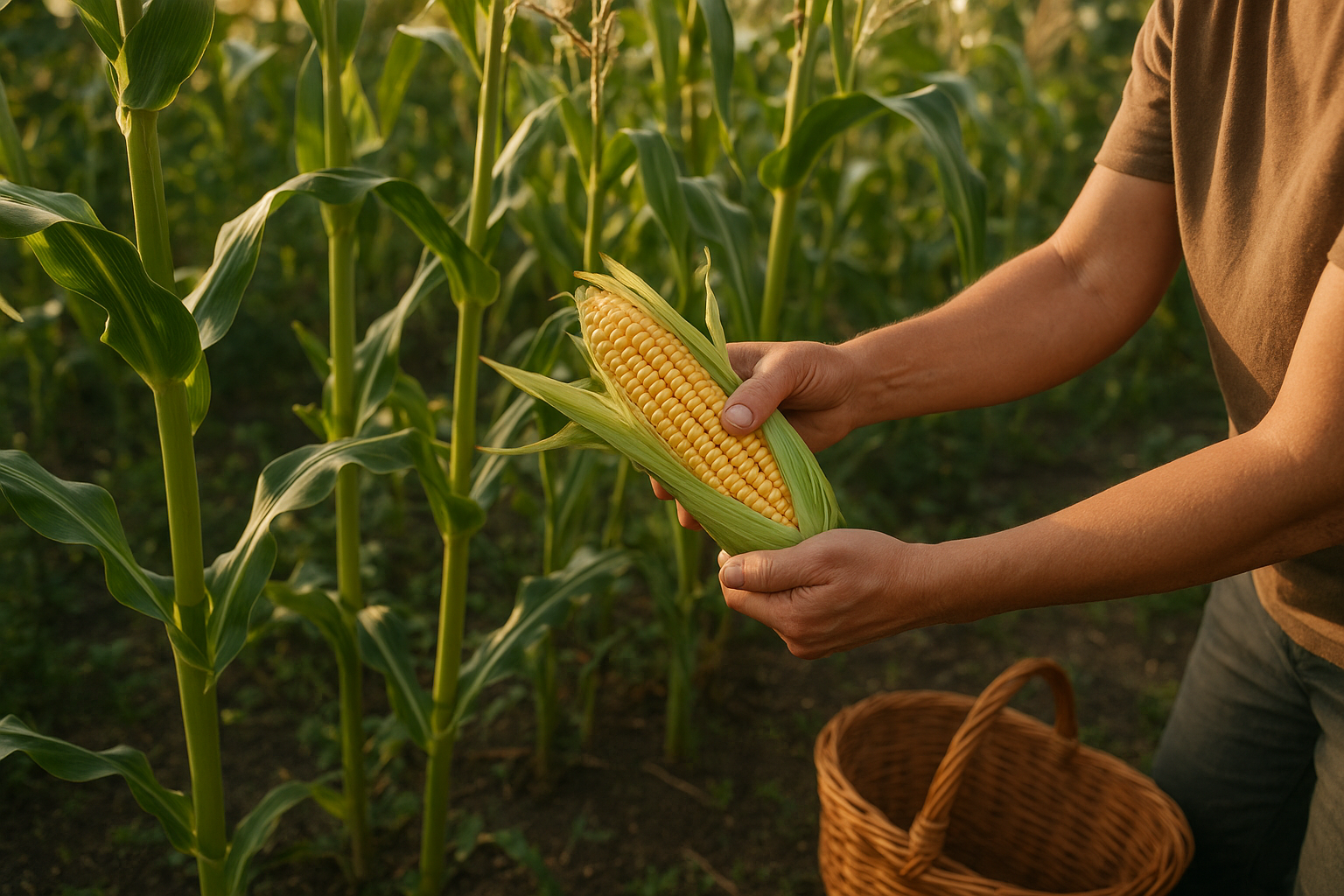
How to Tell When Corn Is Ready to Harvest
Few garden moments are as satisfying as snapping off a perfectly ripe ear of corn and heading straight to the kitchen. The tricky part is timing: harvest too soon and the kernels can be underdeveloped; wait too long and the ears may become starchy or less tender. If you’ve been wondering when is corn ready to harvest, there are a few reliable signs that make the answer much easier to spot.
Unlike some vegetables that keep improving on the plant, sweet corn is best picked at just the right stage. Once you know what to look for, you can check your ears in seconds and harvest them at peak sweetness.
The best signs corn is ready to harvest
Corn doesn’t announce its readiness with just one signal. Instead, look at a combination of clues from the tassels, silks, ears, and kernels. When several of these signs line up, it’s usually harvest time.
1. The silks turn brown and dry
The silk is the first place to check. Fresh corn silks are usually pale green, gold, or light tan when they first emerge. As the ear matures, the silks darken and dry out. When most of the silk has turned brown and shriveled, that’s a strong hint the ear is nearing readiness.
Keep in mind that silk color alone isn’t enough. Hot weather can dry silks quickly, and some varieties may show browning before the kernels are fully filled out. Use this as a starting point, not the only test.
2. The ear feels full from tip to base
Gently press the husk around the ear. A ready ear should feel firm and plump, not skinny or hollow. The kernels should be developed all the way to the tip, with minimal empty space under the husk.
If the ear feels thin or the tip seems poorly filled, give it a few more days and check again.
3. The kernels are milky when pierced
For sweet corn, the kernel test is one of the most dependable ways to judge readiness. Peel back a small section of the husk and press a kernel with your thumbnail. If a white, milky liquid comes out, the corn is at or near peak sweetness.
If the juice looks watery and clear, the corn likely needs more time. If it’s thick, doughy, or pasty, the corn is overmature and will taste less tender.
4. The kernels look plump and even
Check the rows of kernels through the husk or by peeling back a small section. Mature sweet corn should have full, rounded kernels arranged in neat rows. The top of the ear should be filled in rather than tapered or sparse.
Different varieties vary a bit in size and shape, so focus on fullness and uniformity rather than exact appearance.
5. The ear points downward
Many corn varieties naturally begin to droop when they are ready to pick. As the ear fills and weighs more, it often angles downward instead of standing straight out from the stalk.
This is a helpful clue, but not a guarantee. Some varieties hold their ears at different angles, so combine this sign with the silk and kernel checks.
How long corn takes to mature
Most sweet corn is ready about 60 to 100 days after planting, depending on the variety and growing conditions. Early varieties mature faster, while late-season types take longer but may offer fuller flavor or larger ears.
Seed packets usually list the “days to maturity.” That number is a great guide, but weather can shift the harvest window. Cool springs, drought stress, or nutrient issues can slow growth, while warm, consistent conditions may speed it up.
If you want a better harvest timeline, write down your planting date and count forward using the variety’s maturity range. Start checking ears a few days before the earliest expected date.
How to harvest corn correctly
Once you’ve confirmed the ears are ready, harvest promptly. Sweet corn can lose flavor quickly after picking because the sugars begin converting to starch.
Use a quick twist and snap
Grasp the ear firmly, then bend it downward while twisting. A ripe ear should break away from the stalk with a clean snap. If it resists strongly, it may need a little more time.
Pick in the cool part of the day
For the best flavor, harvest in the early morning when the ears are cool and hydrated. If that’s not possible, evening is the next best option. Avoid letting freshly picked corn sit in hot sun for long.
Handle the stalk gently
Don’t yank ears hard enough to damage the plant if other ears are still developing. Many corn plants produce more than one ear, so gentle harvesting helps preserve later picks.
What if you’re not sure yet?
If your corn looks close but not quite ready, wait 1 to 3 more days and check again. Corn matures quickly, especially in warm weather, so a short delay is usually enough to make a noticeable difference.
If you’re growing several rows, sample one ear from a plant in the middle of the patch. Ears at the edge of the patch can sometimes develop differently because of more sun or wind exposure.
For extra caution, test one ear before harvesting the rest. Once you find the ideal stage, the others in the patch are often close behind.
Common mistakes to avoid
- Waiting for all the husks to dry out: By that point, sweet corn is often past its best eating stage.
- Relying on silk color alone: Brown silk is helpful, but it doesn’t always mean the kernels are fully developed.
- Picking too early for corn on the cob: Underfilled kernels can taste flat and watery.
- Letting picked corn sit too long: The longer it sits warm after harvest, the more flavor it can lose.
Different corn types, different harvest goals
Not all corn is harvested for the same purpose. Sweet corn is picked young for tender kernels and high sugar content. Dent corn, popcorn, and ornamental types are harvested much later, often after the kernels harden and dry.
If you’re growing corn for fresh eating, the milky-kernel stage is the sweet spot. If you’re growing popcorn, wait until the ears are fully mature and dry on the stalk or after curing indoors, depending on your climate and growing method.
How to store corn after picking
Freshly harvested corn tastes best as soon as possible, ideally the same day it’s picked. If you need to hold it for a short time, leave the husks on and refrigerate the ears in a breathable bag.
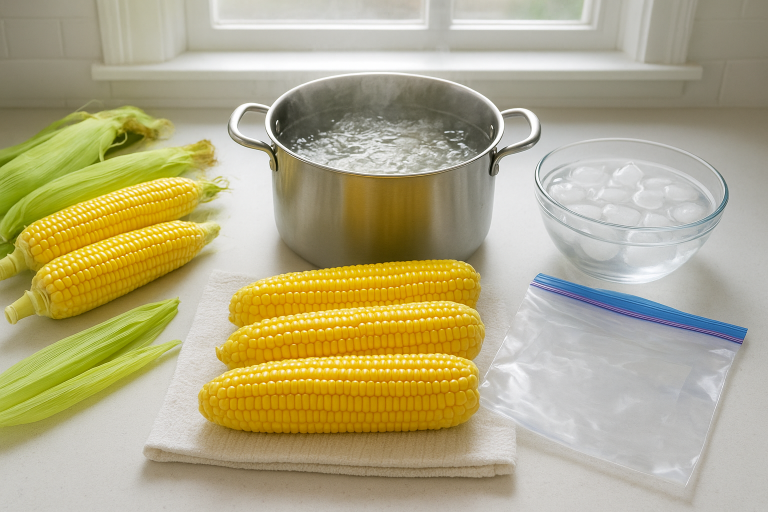
For the sweetest flavor, some gardeners refrigerate corn immediately after harvest and cook it within 24 hours. If you’re preparing a larger harvest, blanching and freezing is a great option for preserving summer sweetness.
Quick storage tips
- Keep the husks on until you’re ready to cook.
- Store ears in the refrigerator, not on the counter.
- Avoid sealing corn in a warm container after picking.
- Use or freeze it as soon as possible for the best taste.
Final harvest checklist
If you want a simple way to remember when is corn ready to harvest, use this quick checklist:
- The silks are mostly brown and dry.
- The ear feels full and firm through the husk.
- A punctured kernel releases milky liquid.
- The kernels look plump and well filled to the tip.
- The ear comes off the stalk with a twist and snap.
When those signs line up, your corn is likely at its best. Pick a few ears, cook them soon, and enjoy the flavor that makes homegrown corn worth the wait.