How to Use the Fall Foliage Forecast in Your Garden
Autumn color can feel like a moving target from year to year, but a good fall foliage forecast can help you estimate when your trees will reach their brightest stage. It can also tell you something useful about how your garden is coping with the season, especially after hot, dry, or stormy weather.
If you have trees on your property, the forecast is more than a travel planning tool. It can help you decide when to take photos, when to clean gutters, and when to do a quick health check before winter settles in.
What a fall foliage forecast actually tells you
A fall foliage forecast is a prediction of when trees in different regions are likely to change color and hit peak display. Most maps blend several kinds of information: past weather patterns, current temperatures, rainfall trends, elevation, and the tree species common in the area.
That matters because fall color is influenced by more than just the calendar. Cool nights, sunny days, steady soil moisture, and the right amount of seasonal stress all play a role in how vivid leaves become and how long they stay on the branch.
In practical terms, the forecast helps you answer questions like:
- Will my maples peak early or late this year?
- Is this the right week to plan a leaf-viewing walk?
- Do my trees look normal for the season, or are they dropping leaves too soon?
How to read the forecast without overcomplicating it
Most foliage maps use color bands or date ranges. The shades usually move from early color changes to peak color, then to past-peak. If your area is marked as nearing peak, you generally have a short window before leaves begin to fade or drop.
Look at the map in layers rather than only checking your town. A higher elevation nearby may peak days or even weeks before lower neighborhoods. Trees along exposed hillsides may also change faster than sheltered trees in a valley or beside a building.
For the most useful result, compare three things:
- Your location — your exact microclimate matters more than the nearest city.
- Tree type — maples, oaks, birches, sweetgums, and dogwoods can turn at different times.
- Recent weather — drought, heavy rain, early frost, or heat waves can speed things up or dull the color.
Why one garden can look better than the next street over
Even on the same block, trees may color at different speeds. Soil conditions, root space, nearby paving, irrigation, and sun exposure all affect how a tree responds to autumn.
A tree planted in compacted soil or a small planting strip may be under more stress, which can lead to early leaf drop. By contrast, a well-established tree with deep roots and consistent moisture often puts on a better display. That is why a forecast is useful, but your own yard observations are just as important.
If your leaves are turning brown and crisp instead of glowing gold or red, the issue may be summer stress rather than normal autumn change. In a dry year, some trees shut down early to conserve energy, which shortens the color season.
A simple tree health check to do while you watch the leaves
As the color begins to shift, take a few minutes to inspect your trees. You do not need special equipment, just a careful eye.
Look for these signs
- Premature leaf drop: leaves falling before they fully color can signal drought stress, root problems, or disease.
- Brown edges or scorched patches: often linked to heat, dry wind, or insufficient watering.
- Thin canopy: fewer leaves than usual may mean the tree struggled through summer.
- Cracked bark or dead twigs: these can point to physical damage or winter vulnerability.
- Mushrooms at the base: may indicate decay in the root zone and deserve attention.
If you notice repeated stress symptoms across several seasons, it may be worth consulting an arborist. Catching a problem early is far easier than trying to revive a tree after major decline.
What to do for your trees during peak foliage season
The peak-color period is a great time to support tree health before dormancy begins. A few small tasks can make a real difference.
Water deeply if the soil is dry
Even though temperatures are cooler, trees may still need watering if autumn has been unusually dry. A slow, deep soak is better than a quick splash at the surface. Focus on the root zone, not the trunk.
Add mulch, but keep it off the bark
A 2- to 4-inch layer of mulch helps hold moisture and protect roots. Spread it in a wide ring, but leave a few inches of space around the trunk so the bark stays dry and healthy.
Delay heavy pruning
It is usually best to avoid major pruning just before winter unless there is a safety issue. Cutting too much late in the season can encourage tender new growth that will not harden off properly before frost.
Remove only obviously damaged branches
If a branch is dead, broken, or hanging at risk, remove it. Otherwise, save larger shaping jobs for late winter or early spring, depending on the tree and your climate.
Best ways to use the forecast in your garden calendar
A foliage forecast is also helpful for planning regular fall chores. Once your trees are near peak, you can use that timing to organize the rest of your yard work.
- Leaf photos: take pictures before the color fades if you want a record of this year’s display.
- Gutter cleaning: schedule it around heavy leaf drop, especially under maples or oaks.
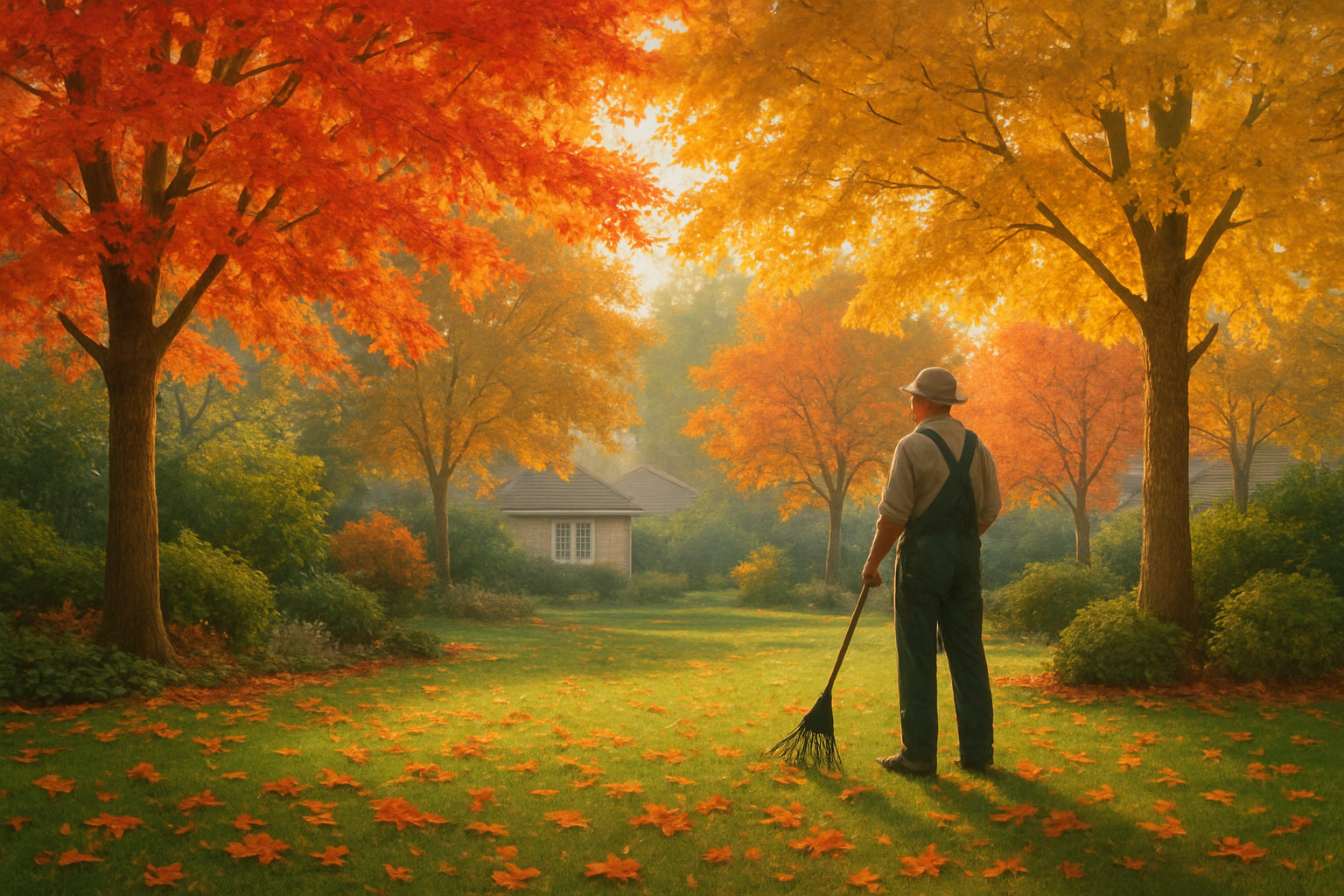
- Lawn care: rake leaves before they mat down and smother grass.
- Composting: shred leaves for faster breakdown and a richer compost pile.
- Garden cleanup: remove diseased plant debris before it overwinter in beds.
There is no need to race through everything at once. Use the forecast as a signal that the season is moving, then tackle one or two jobs each week.
How weather can change the color show
Some autumn conditions help create brilliant leaves, while others shorten the display. Mild sunny days and cool nights often produce the best color. A hard frost can cause leaves to brown quickly, and sustained drought can lead to early shedding before color fully develops.
That means a forecast is best treated as a guide, not a guarantee. If weather shifts suddenly, peak color may arrive earlier than expected or last only briefly. Checking the forecast every few days during the season gives you a much better picture than relying on a single date range.
Quick tips for getting the most from peak leaf season
- Watch trees in your own yard every few days once temperatures begin dropping.
- Compare the forecast with what you see on the ground.
- Note which species color first so you can predict next year more accurately.
- Water stressed young trees if the soil remains dry.
- Use fallen leaves as mulch or compost when they are clean and disease-free.
The beauty of a fall foliage forecast is that it does more than help you admire autumn color. It gives you a practical window into your garden’s condition, helping you notice stress, plan seasonal chores, and support trees as they prepare for winter.
When the forecast says peak color is near, step outside and look closely. The leaves are putting on a show, but they are also telling you a story about how your garden has handled the year.