5 Self-Pollinating Fruit Trees to Plant This Fall
If you want to grow fruit at home but don’t have room for a full orchard, self-pollinating fruit trees are a smart place to start. These trees can set fruit on their own, so you only need one tree to enjoy a harvest. Fall is a great time to plant because cooler temperatures and seasonal rain help new roots settle in before spring growth kicks in.
Choosing the right tree matters, especially if you’re planting in a small yard or want a lower-maintenance setup. Below are five reliable self-pollinating fruit trees that are well worth considering for a fall planting.
Why plant fruit trees in fall?
Planting in autumn gives trees a head start. The soil is still warm enough for root growth, but the top growth slows down, which means the tree can focus on establishing underground. By the time spring arrives, it is better anchored and often ready to grow more vigorously.
- Less heat stress: Cooler weather reduces transplant shock.
- Better root development: Roots can grow for weeks before the ground freezes.
- Easy watering: Fall weather often means less frequent irrigation than summer.
- Earlier establishment: A fall-planted tree is often stronger by its first active growing season.
For best results, plant when the tree is dormant or nearly dormant and aim to get it in the ground before hard freezes arrive.
1. Peach
Peach trees are a classic choice for home gardeners because they’re productive, beautiful in bloom, and incredibly rewarding when the fruit ripens. Many peach varieties are self-fertile, which means you can plant one tree and still get a solid crop. They generally do best in full sun and well-drained soil.
When shopping, look for a variety suited to your climate. Some peaches handle cooler winters better than others, and spring frost can be an issue in areas with unpredictable weather. If you live in a colder region, choose a cultivar that blooms a little later to reduce the risk of frost damage.
Growing tip: Peaches often benefit from annual pruning to keep the canopy open. Good airflow helps reduce disease and improves fruit quality.
2. Nectarine
Nectarines are closely related to peaches, but with smooth skin instead of fuzz. Their flavor is similar, and many gardeners like them for fresh eating and baking. Like peaches, nectarines are typically self-pollinating, so one tree is enough for fruit production.
They prefer the same basic conditions: plenty of sun, regular water during dry spells, and fertile, well-drained soil. Because nectarine blossoms can also be vulnerable to late frosts, they do best where spring temperatures are fairly steady or where you can protect buds during cold snaps.
Growing tip: Thin young fruit if the tree sets too many. Fewer fruits often means larger, sweeter nectarines and less strain on the branches.
3. Sour Cherry
Sour cherries are one of the easiest fruit trees to grow for pies, jams, sauces, and preserves. Most sour cherry trees are self-fertile, unlike many sweet cherry varieties that require a second tree for pollination. If you love baking, this is one of the best trees to add to your yard.
These trees can be more cold-hardy than many other fruit types, which makes them a strong option in northern gardens. They still need full sun and soil that drains well, but they’re often more forgiving than people expect.
Growing tip: Harvest quickly once the fruit ripens. Birds love cherries too, so netting may be helpful when fruit starts turning color.
4. Apricot
Apricot trees can be a little trickier than peaches or cherries, but many varieties are self-pollinating and perfectly suited to a backyard planting. Their early blossoms and sweet, fragrant fruit make them a favorite for gardeners who want something a little different.
One thing to keep in mind is that apricots often bloom early, which can make them more vulnerable to late frosts. If your area tends to get warm spells followed by sudden cold, choose a variety known for better cold tolerance or later blooming. A sheltered location can also help.
Growing tip: Plant apricots where they get morning sun and good air circulation. This helps dry leaves and blossoms faster after rain or dew.
5. Fig
Fig trees are excellent for small gardens because many varieties are self-pollinating and can be grown in the ground or in large containers. In warmer regions, they’re a dependable fruit tree with a long harvest season. In cooler climates, they may need winter protection or container growing so they can be moved to shelter.
Figs like warmth, sunshine, and soil that drains well. They are often easier to manage than many orchard trees because they don’t require a pollination partner, and in the right climate they can produce a generous crop with relatively little fuss.
Growing tip: If you’re growing a fig in a pot, use a large container with drainage holes and refresh the potting mix regularly to keep the plant healthy.
How to choose the right tree for your yard
Before you buy, consider more than just the fruit itself. A tree can only thrive if the site matches its needs.
- Sun: Most fruit trees need at least 6 to 8 hours of direct sunlight.
- Soil drainage: Fruit trees dislike soggy roots. If your soil stays wet, plant on a slight mound or improve drainage first.
- Climate: Check the hardiness range and frost sensitivity of the variety you want.
- Space: Even self-pollinating trees need room for roots and airflow.
- Harvest use: Pick varieties based on how you plan to enjoy them—fresh eating, baking, canning, or freezing.
Fall planting tips for success
Getting the tree home is only the first step. A little extra care at planting time helps it settle in well.
- Dig a wide hole: Make the hole wider than the root ball, but no deeper than the tree sat in its pot or nursery wrap.
- Loosen circling roots: Gently tease apart roots that are wrapped around the container.
- Keep the graft above soil: If your tree is grafted, don’t bury the graft union.
- Water deeply: Give the tree a thorough soak after planting and continue watering during dry stretches.
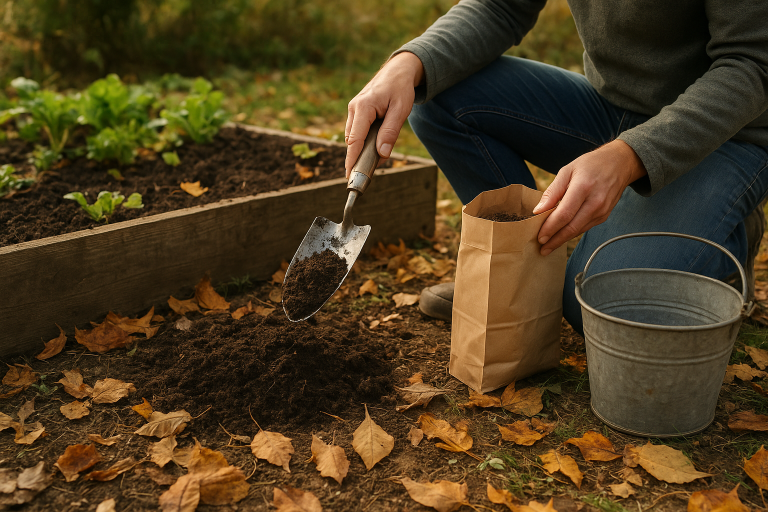
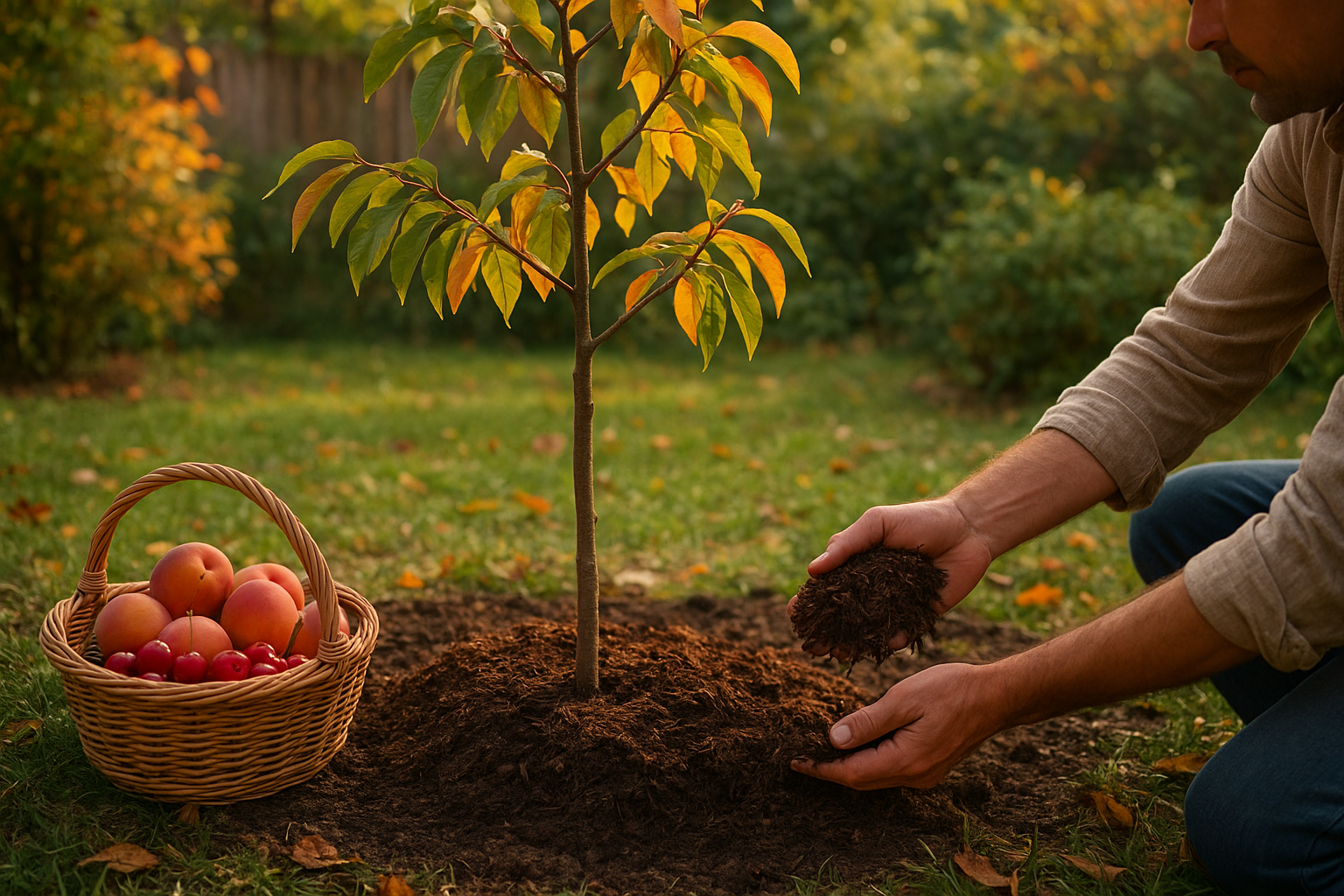
- Mulch properly: Add mulch around the base, but keep it a few inches away from the trunk to prevent rot.
Common mistakes to avoid
Self-pollinating does not mean completely hands-off. A tree still needs the right care to produce well.
- Planting in shade: Fruit trees need sun to flower and ripen fruit.
- Overwatering: Constantly wet soil can damage roots.
- Skipping pruning: Dense growth can reduce fruit quality and invite disease.
- Choosing the wrong variety: Not every self-fertile tree performs well in every climate.
- Expecting instant harvests: Young trees need time to establish before they produce heavily.
Final thoughts
If you want a manageable way to grow your own fruit, self-pollinating fruit trees are one of the best investments you can make. They’re ideal for small yards, beginner gardeners, and anyone who wants a dependable harvest without planting multiple trees. Put one in the ground this fall, give it good care, and you’ll be setting yourself up for seasons of homegrown fruit.