8 Garden Plants: Which Recover Fast in a Heatwave
When temperatures spike for days at a time, gardens can change fast: flowers flop, leaves curl, and tender crops may stop growing altogether. The good news is that not every plant reacts the same way, so if you know which plants are naturally heatwave-proof plants and which ones are heat-sensitive, you can save time and prevent a lot of damage.
Some plants are built to handle blazing sun and dry conditions. Others may look rough after a hot spell and need immediate attention to avoid permanent stress. Here’s how to tell the difference, plus what to do when your garden starts showing signs of heat exhaustion.
Plants that usually bounce back after extreme heat
These plants are generally tough, sun-loving, and adapted to periods of dryness. They may wilt temporarily during the hottest part of the day, but they often recover on their own by evening if they’re established and healthy.
1. Coneflower
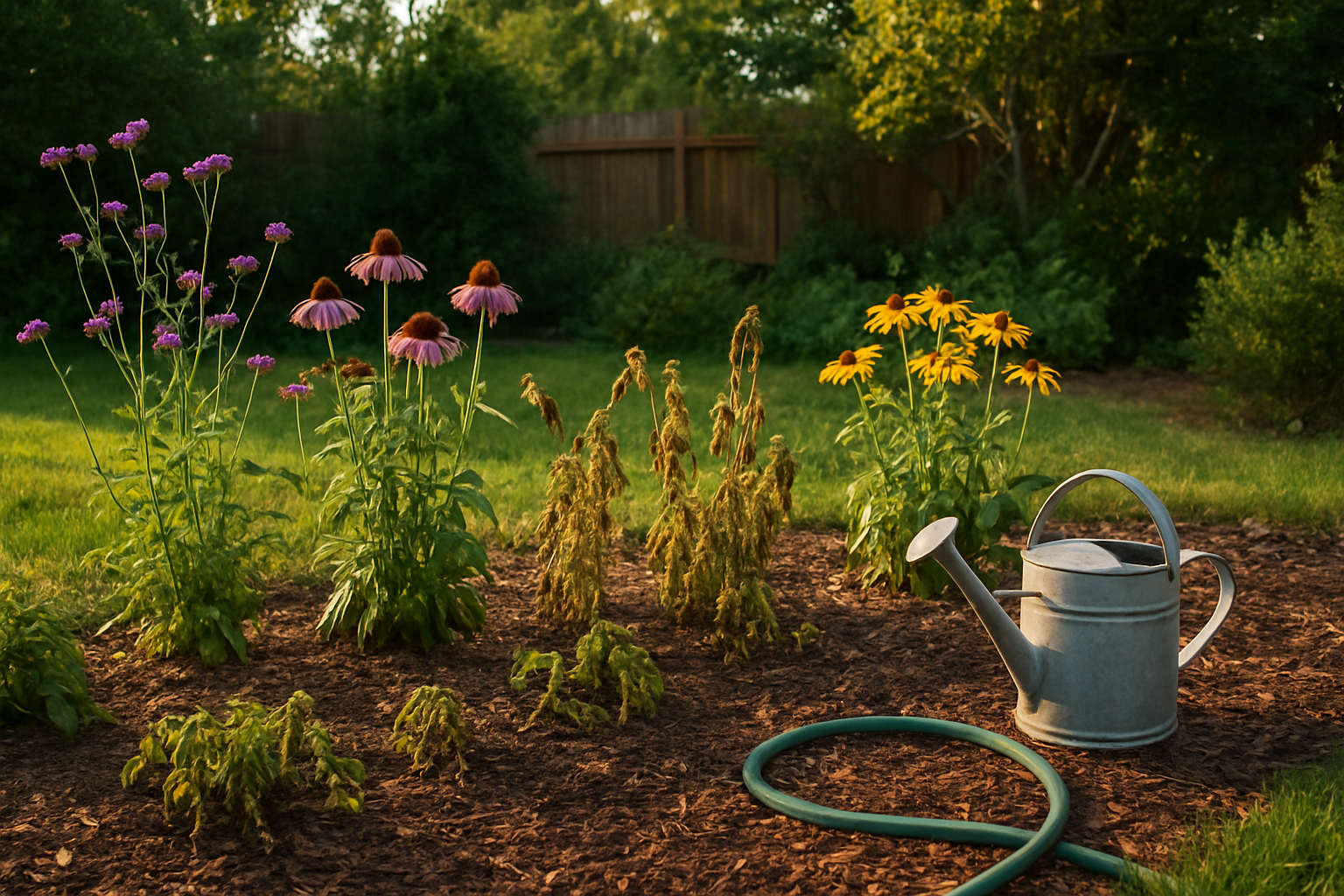
Coneflower is a classic perennial for hot, sunny spots. Once established, its deep roots help it find moisture lower in the soil, which gives it an advantage during dry spells. In many gardens, the plant may droop slightly during a heatwave and then perk back up overnight.
Helpful care tip: If the soil is dry several inches down, give coneflower a slow, deep soaking at the base. Avoid shallow, frequent watering, which encourages roots to stay near the surface.
2. Russian sage
Russian sage handles high heat extremely well and often looks better in hot, dry weather than it does in cool, damp conditions. Its airy growth and silvery foliage help it reflect sunlight and conserve moisture. It is one of those plants that can look a little tired in the afternoon but still keep blooming through summer.
Helpful care tip: Make sure the soil drains well. If your garden stays soggy after watering or rain, Russian sage may struggle more from excess moisture than from heat.
3. Stonecrop
Stonecrop, often grown as sedum, is a standout for low-maintenance, sunny gardens. Its fleshy leaves store water, which makes it naturally suited to hot weather. Many varieties continue to look neat and colorful when other plants begin to sag.
Helpful care tip: If you grow stonecrop in rich soil that stays wet, it can become weak or floppy. The plant does best with leaner soil and excellent drainage.
4. Blanket flower
Blanket flower is another heat-lovers’ favorite. It blooms heavily in sunny locations and keeps going through conditions that would stress more delicate ornamentals. Once it is settled in, it usually tolerates heat and dry soil very well.
Helpful care tip: Deadhead spent blooms if you want more flowers, but don’t panic if the plant gets a little rough-looking in extreme heat. A trim after the worst weather passes can refresh it.
Plants that need quick help during a heatwave
These plants are more likely to suffer when temperatures climb. They may need extra water, temporary shade, or a little cleanup to reduce stress. The sooner you respond, the better the chances of recovery.
1. Lettuce
Lettuce is one of the first crops to suffer in hot weather. Leaves can turn bitter, growth slows down, and the plant may bolt, sending up a flower stalk instead of making more harvestable leaves.
What to do: Harvest what you can right away, water deeply in the morning, and consider using shade cloth during the hottest hours. If lettuce is already bolting, it usually won’t return to prime eating quality.
2. Hydrangea
Hydrangeas can wilt dramatically in heat, especially if they get strong afternoon sun. Even when the soil is moist, the leaves and flowers may droop because the plant is losing water faster than its roots can replace it.
What to do: Water deeply at the root zone and mulch around the base to slow evaporation. If the plant is in a hot exposure, temporary afternoon shade can help protect it.
3. Hydrangea-like bedding annuals, such as impatiens
Shade-loving annuals often struggle when heat arrives suddenly. Impatiens, for example, can wilt quickly, stop blooming, and develop crispy leaf edges if they dry out too much.
What to do: Check containers and hanging baskets daily because they dry faster than garden beds. Move pots to brighter shade if possible and water until excess drains from the bottom.
4. Tomatoes with thirsty, exposed foliage
Tomatoes can handle warmth, but extreme heat is different. When temperatures stay very high, plants can drop blossoms, slow fruit set, and wilt badly in the afternoon. Young plants and container-grown tomatoes are especially vulnerable.
What to do: Water deeply and consistently, mulch well, and avoid letting the soil swing from bone-dry to soaked. In intense heat, a lightweight shade cover during the afternoon can reduce stress and blossom drop.
How to rescue heat-stressed plants
When a heatwave hits, the goal is to reduce stress rather than overcorrect. A few smart moves can make a big difference.
- Water early in the day. Morning watering gives plants time to absorb moisture before the sun becomes intense. It also reduces evaporation.
- Focus on the roots. Water the soil, not the leaves. Deep watering encourages roots to grow downward and helps plants weather future heat better.
- Add mulch. A 2- to 3-inch layer of mulch helps keep the soil cooler and slows moisture loss. Keep mulch a few inches away from stems and trunks.
- Use temporary shade if needed. Lightweight shade cloth, an old sheet, or even a patio umbrella can help protect sensitive plants during the hottest part of the day.
- Avoid fertilizing during extreme stress. Feeding a heat-stressed plant can push new growth when it is least able to support it.
Signs a plant is stressed, not dead
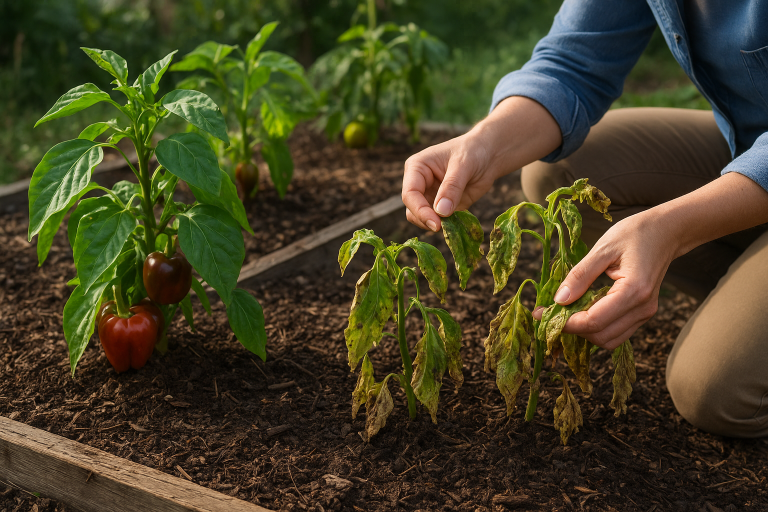
Heat can make a healthy plant look much worse than it really is. Before pulling anything out, look for signs that it is still alive and capable of recovery.
- Flexible stems: Stems that bend without snapping are usually still viable.
- Green tissue under the surface: Scratch a small section of stem gently; green underneath is a good sign.
- No lasting damage to the crown: If the center of the plant is still firm and not mushy, recovery is more likely.
- Evening rebound: Many heat-tolerant plants perk up after the sun goes down.
On the other hand, leaves that are fully crisp, blackened, or collapsing from stem rot may not recover. In those cases, remove the dead material and reassess after the weather cools.
How to make next summer easier on your garden
If heatwaves are becoming part of your regular weather pattern, garden design matters. Mixing drought-tolerant perennials with more tender plants gives you a better chance of keeping the whole bed looking good.
- Group plants by water needs. Put thirsty plants together so you can water them efficiently.
- Choose established perennials for sunny areas. Plants with deeper roots usually handle heat better than shallow-rooted annuals.
- Use containers wisely. Pots look great, but they dry out quickly. Pick larger containers and use high-quality potting mix that holds moisture without staying soggy.
- Plan for afternoon shade. Even one tree, trellis, or fence can make a big difference for sensitive plants.
A hot spell does not have to mean a ruined garden. If you know which plants are naturally tough and which ones need fast intervention, you can act with confidence. Keep the heat-tolerant stars like coneflower, Russian sage, stonecrop, and blanket flower in your main display, then give your delicate crops and ornamentals a little extra support when temperatures soar.
With a good watering routine, a layer of mulch, and a few smart shade tricks, your garden can recover faster and come through summer with far less stress.