Perfect Roasted Cauliflower: Crispy, Golden, and Easy
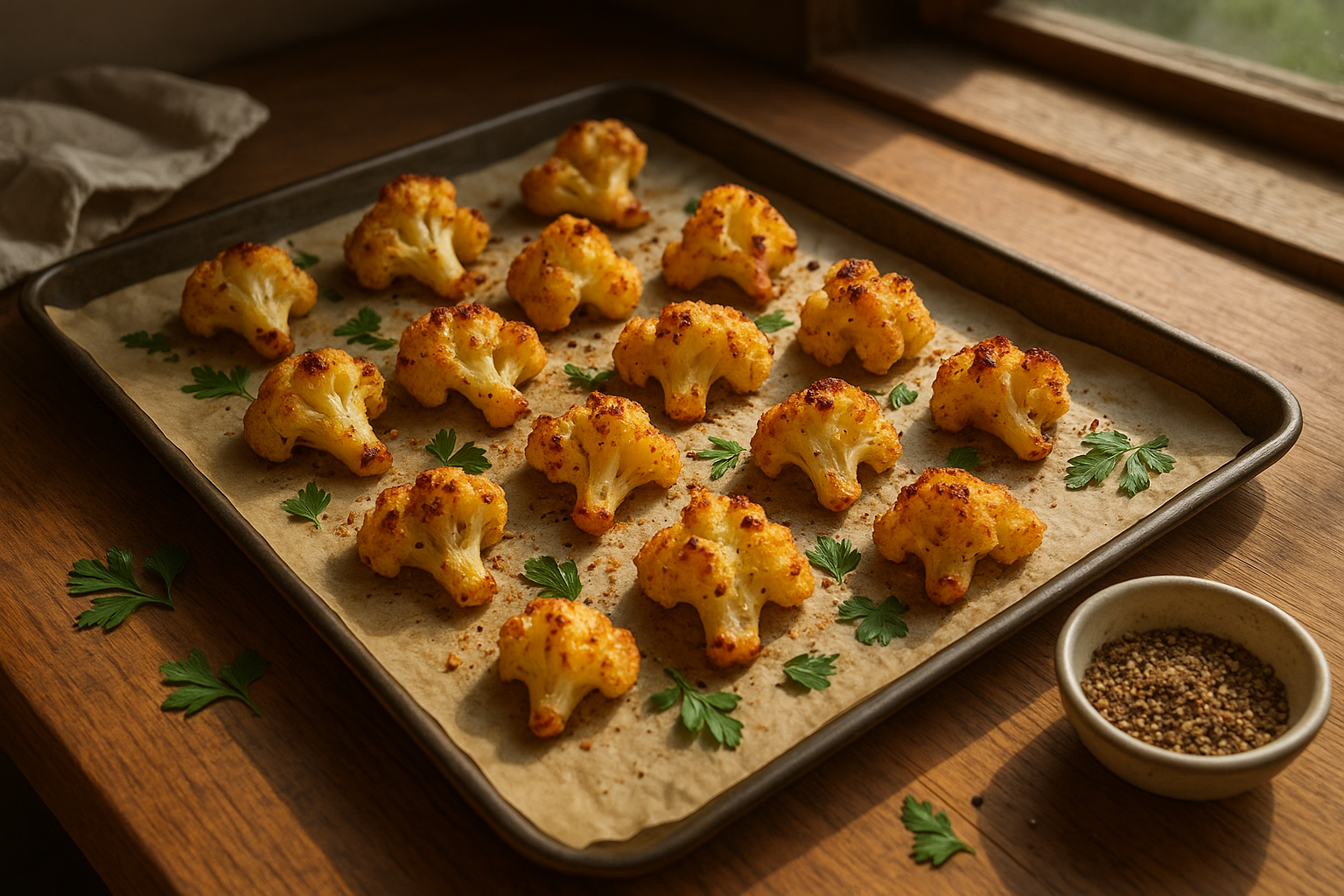
Roasted cauliflower is one of those simple dishes that feels far greater than the sum of its parts. With a hot oven, a little oil, and the right seasoning, plain florets transform into tender bites with crisp, browned edges and a deep, nutty flavor.
It works as an easy weeknight side, but it can also play a bigger role in your meals. Add it to grain bowls, fold it into pasta, tuck it into wraps, or serve it with a dip as a snack everyone keeps reaching for.
Why roasting cauliflower works so well
Cauliflower has a mild flavor and a firm texture, which makes it a great candidate for high-heat cooking. In the oven, its natural sugars caramelize while the edges brown, creating more flavor than steaming or boiling can deliver.
Roasting also helps the florets stay pleasantly firm instead of waterlogged. That texture makes them more versatile for serving alongside roasted chicken, fish, tofu, or hearty vegetarian mains.
Ingredients you need
This is a flexible recipe, so you do not need much to get started. The basic version relies on a few pantry staples.
- 1 medium head cauliflower, cut into bite-sized florets
- 2 to 3 tablespoons olive oil
- 1/2 teaspoon kosher salt, plus more to taste
- 1/4 teaspoon black pepper
- Optional seasonings: garlic powder, smoked paprika, cumin, curry powder, Parmesan, lemon zest, or red pepper flakes
If your cauliflower has a few green leaves attached, you can save them and roast them too. They get wonderfully crisp at the edges when brushed with oil.
How to make roasted cauliflower
- Preheat the oven. Set it to 425°F. A hot oven is key for browning before the cauliflower turns soft.
- Prep the cauliflower. Cut the head into florets that are similar in size so they cook evenly. Pat them dry if they seem damp.
- Season well. Toss the florets with olive oil, salt, pepper, and any additional spices in a large bowl until everything is lightly coated.
- Spread out on a baking sheet. Arrange the cauliflower in a single layer with a little space between pieces. Crowding traps steam and prevents browning.
- Roast. Bake for 20 to 30 minutes, flipping once halfway through, until the edges are browned and the centers are tender.
- Finish and serve. Taste and add more salt if needed. A squeeze of lemon or a sprinkle of herbs just before serving brightens the flavor.
Tips for the best texture
Dry cauliflower browns better
After washing, make sure the florets are dry before oiling them. Extra moisture creates steam in the oven, which can soften the cauliflower instead of crisping it.
Use enough oil to coat, not drown
The cauliflower should look lightly glossy, not soggy. Too little oil can lead to dry, patchy browning, while too much can make the florets greasy.
Give the pan room
If you want the best caramelization, use two pans if necessary. A crowded baking sheet is the fastest way to end up with pale cauliflower that tastes more steamed than roasted.
Let it get color
Some of the most flavorful pieces are the ones with deep golden spots. If the florets are tender before they brown enough, keep roasting for a few extra minutes.
Easy seasoning ideas
Roasted cauliflower is delicious with just salt and pepper, but it also loves bold seasonings. Try one of these combinations depending on how you plan to serve it.
- Garlic and Parmesan: Toss with garlic powder before roasting, then finish with grated Parmesan.
- Smoky paprika: Add smoked paprika and a pinch of cayenne for a deeper, more savory flavor.
- Warm spices: Use cumin and turmeric for a gently earthy profile that works well with grain bowls.
- Curry-inspired: Season with curry powder and serve with yogurt or chutney.
- Lemon herb: Roast simply, then finish with lemon zest and chopped parsley or dill.
If you want more crunch, add toasted breadcrumbs or chopped nuts after roasting. That extra texture makes the dish feel more substantial.
How to serve roasted cauliflower
This vegetable is easy to fit into almost any meal. Here are a few reliable ways to use it:
- As a side dish: Serve beside roasted meats, baked fish, or tofu.
- In bowls: Add it to rice, quinoa, farro, or couscous with beans and greens.
- In tacos or wraps: Pair it with slaw, avocado, and a creamy sauce.
- In salads: Let it cool slightly, then toss with sturdy greens, chickpeas, and vinaigrette.
- With pasta: Stir it into garlic oil, pesto, or a light cream sauce.
- As a snack: Serve with tahini sauce, ranch, or herbed yogurt for dipping.
Make-ahead and storage tips
Roasted cauliflower keeps well, which makes it useful for meal prep. Store leftovers in an airtight container in the refrigerator for up to 4 days.
To reheat, spread the florets on a sheet pan and warm them in a 400°F oven for about 10 minutes. An air fryer also works well and helps restore some of the crispness. The microwave is convenient, but it softens the edges.
If you want to prep ahead, you can cut the cauliflower into florets a day or two in advance. Keep them in a sealed container or bag in the refrigerator until you are ready to roast.
Common mistakes to avoid
- Skipping the preheat: A fully hot oven helps the cauliflower brown quickly.
- Cutting uneven florets: Large and small pieces will cook at different rates.
- Using too small a pan: Overcrowding leads to steaming.
- Underseasoning: Cauliflower needs enough salt to bring out its flavor.
- Pulling it too early: Pale cauliflower is usually just underdeveloped in flavor.
Simple roasted cauliflower recipe
Ingredients: 1 medium head cauliflower, 2 to 3 tablespoons olive oil, 1/2 teaspoon kosher salt, 1/4 teaspoon black pepper, optional seasonings of your choice.
Directions: Preheat the oven to 425°F. Cut the cauliflower into florets and dry them well. Toss with olive oil, salt, pepper, and any extra seasoning. Spread on a baking sheet in a single layer and roast for 20 to 30 minutes, flipping halfway, until browned and tender. Finish with lemon juice, herbs, or Parmesan if desired.
Once you make roasted cauliflower a few times, it becomes second nature. The method is simple, but the result tastes rich, satisfying, and versatile enough to keep in regular rotation all year long.