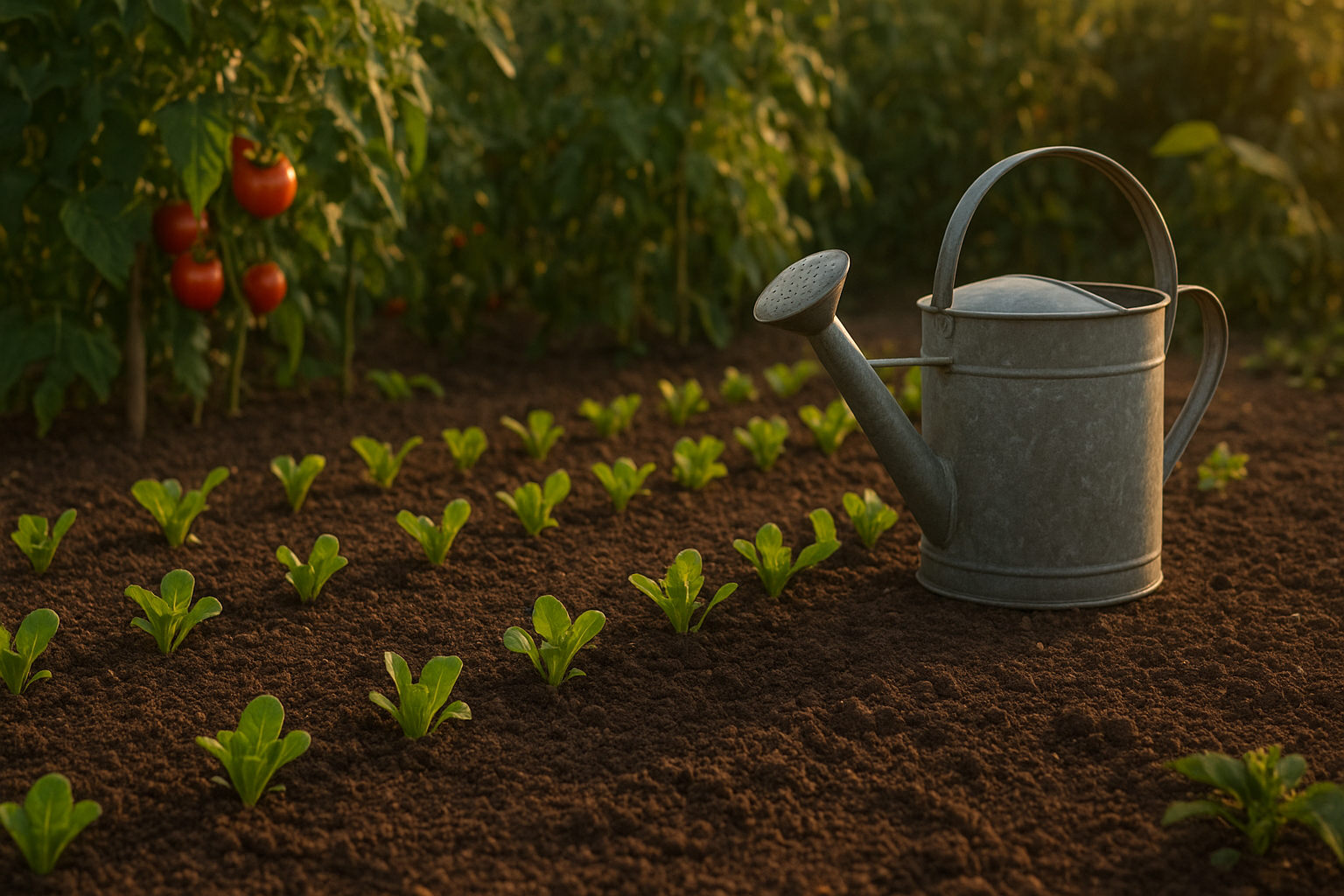
7 Fast-Growing Salad Crops to Sow in August
Late summer can leave the garden looking a little tired, but those open spaces are actually an opportunity. If you still have warm soil, you can sow several fast-growing salad crops now and be harvesting tender leaves long before the first hard frost arrives.
The trick is choosing greens that germinate quickly, mature fast, and tolerate shorter days. With a little preparation, even a small empty patch can keep bowls of salad, sandwiches, and wraps stocked right through fall.
Why August is a great time to sow salad greens
August soil is usually warm enough to speed up germination, which gives many leafy crops a head start. In midsummer, seeds can sit in the ground while you wait for them to wake up; in late summer, they often pop up in just a few days.
That fast start matters because the plants still have enough time to size up before daylight hours drop too low. It also helps you make use of spaces left behind by peas, garlic, early potatoes, spring onions, or bolted lettuce.
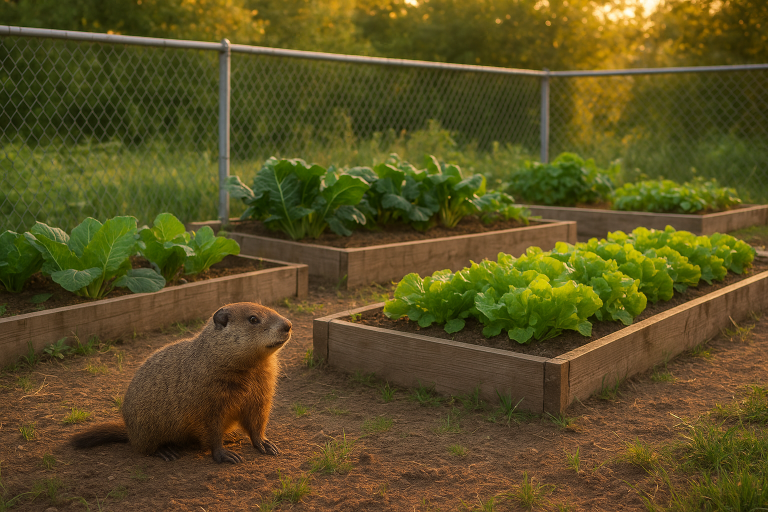
Another bonus: many pests are less intense now than they were earlier in the season. You may still need to watch for slugs, flea beetles, and cabbage worms, but the pressure is often easier to manage than in spring.
How to prep the bed before sowing
Fast crops need a good seedbed. You do not need to dig deeply, but you do need a surface that is fine, even, and moist enough for tiny seeds to make contact with the soil.
- Clear away spent stems, weeds, and large roots.
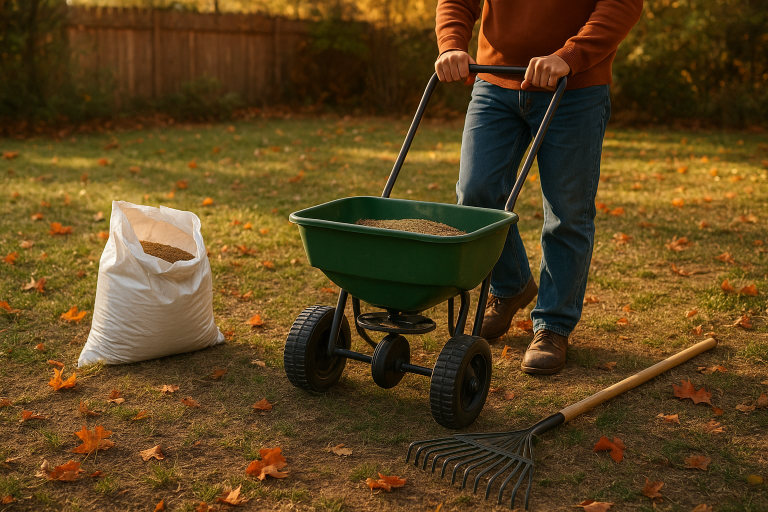
- Rake the soil until it is crumbly and level.
- Mix in 1-2 inches of compost if the bed looks tired or dry.
- Water the bed before sowing if the soil is dusty or hot.
- Top up low spots so rainwater does not puddle around the seed.
If your soil is very heavy clay, form a shallow raised row or mound to improve drainage. Salad crops do poorly in soggy ground, especially when nights start cooling down.
For very fine seed, it helps to sow into a shallow drill and then cover lightly with a thin layer of compost or screened soil. Keep the surface evenly damp until seedlings are established.
7 salad crops worth sowing in August
1. Arugula
Arugula is one of the quickest crops you can plant in late summer. The peppery leaves can be harvested young for salads or left slightly longer for a stronger bite. In warm soil, you may see seedlings within a few days.
Best use: mixed salads, pizza topping, pesto, sandwiches.
Tip: sow every two weeks for a steady supply, because arugula can bolt if it suddenly gets hot again.
2. Baby leaf lettuce
Loose-leaf and cut-and-come-again lettuces are ideal for August sowing because you do not need to wait for full heads. You can begin snipping outer leaves in as little as three to five weeks, depending on variety and weather.
Choose mixes labeled for baby leaf or quick harvest. Red and green blends are useful because they look attractive and often include several textures in one sowing.
Tip: keep the soil moist and give afternoon shade in very hot climates so the leaves stay tender instead of bitter.
3. Spinach
Spinach is a classic fall crop, and late summer is a smart time to start it in many regions. It likes cooler weather, but the seeds still benefit from warm soil at sowing time. Once established, it grows best as nights begin to cool.
Tip: sow spinach a little thicker than you would in spring, then thin lightly for baby leaves. This gives you a fast crop without waiting for large plants.
4. Mizuna
Mizuna brings a mild mustard flavor and a feathery texture that works well in mixed salads. It grows quickly, handles cool weather beautifully, and usually stays productive into autumn.
Tip: harvest young leaves often. Regular picking encourages fresh growth and helps prevent toughness.
5. Mustard greens
Mustard greens are fast, flavorful, and reliable. They can be spicy or mellow depending on the variety and the weather, but they almost always earn their space in a fall bed.
Tip: if you want a gentler flavor, harvest them young. Larger leaves are best cooked lightly or mixed with milder greens.
6. Corn salad
Corn salad, also called lamb’s lettuce, is a cool-season green that shines in autumn. It germinates well in late summer and keeps growing through cooler weather when many other crops slow down.
Tip: sow it where the bed gets morning sun and some afternoon protection. It prefers cooler conditions once established.
7. Asian salad greens
Quick-growing blends that include tatsoi, pak choi, komatsuna, and similar greens can give you varied textures and flavors in one planting. Many are ready for baby harvests surprisingly quickly.
Tip: young leaves are tender and versatile, while older plants can be stir-fried if they get larger than expected.
How to keep them growing well
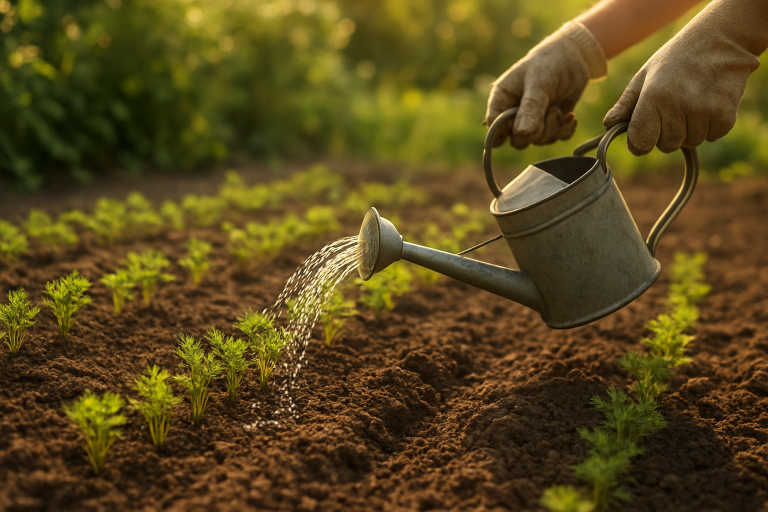
Late-summer salad crops do best with consistent moisture. Dry soil can make leaves tough and can cause some greens to bolt or turn bitter. A light mulch of fine compost, straw, or shredded leaves can help the bed stay cooler and hold water.
For gardeners in hot regions, temporary shade can make a big difference. Use shade cloth, a piece of floating row cover draped over hoops, or even the dappled shade of taller crops nearby. This reduces stress during hot afternoons and helps seedlings get established.
If you garden in a colder region, the challenge is usually time, not heat. Focus on the earliest maturing varieties and sow them as soon as a bed opens up. The faster you get seed in the ground, the better your chances of a meaningful harvest before hard frost.
Simple ways to stretch the harvest
Once your greens are growing, harvest smartly so the planting keeps producing longer.
- Pick baby leaves first. Snip outer leaves and leave the center intact when possible.
- Harvest in the morning. Leaves are crisp and well hydrated then.
- Do not let the bed dry out. Stress can trigger bitterness and flowering.
- Sow a second round. A new sowing 10-14 days later gives you backup if one crop struggles.
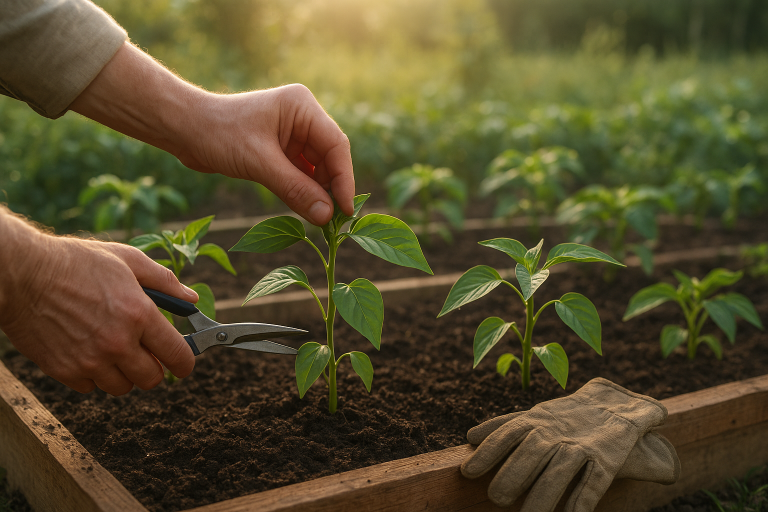
If a crop starts to slow down, shear it lightly and water well. Many greens will send out a fresh flush of leaves instead of ending the season immediately.
What to plant after summer crops are removed
August is a great month for making crop rotations work harder. When peas, beans, or early potatoes come out, replace them quickly with greens that mature fast. That keeps weeds down and makes full use of the remaining warmth in the soil.
You can also tuck salad greens between slower crops if there is room. For example, a row of arugula along the edge of tomatoes or a patch of lettuce beside fading beans can keep the garden productive without needing a separate bed.
Best practices for a steady fall salad harvest
- Sow little and often instead of planting everything at once.
- Choose open-pollinated or quick-maturing varieties when possible.
- Keep seedlings damp until they are established.
- Use shade in hot weather and mulch in dry weather.
- Protect young plants from slugs and flea beetles if they are active in your area.
By treating August as a planting month instead of a winding-down month, you can turn tired beds into a fresh supply of food. A few packets of seed, a rake, and some regular watering are often enough to bridge the gap between summer crops and the first hard frost.
If you want the simplest possible plan, start with arugula, baby leaf lettuce, and spinach. Those three alone can keep a salad bowl full while the rest of the garden fades.