Pink Dandelion: How to Grow Crepis rubra in Your Garden
If you love the carefree look of meadow flowers but want something a little softer than the usual yellow roadside bloom, pink dandelion is a lovely surprise. Also known as Crepis rubra, this airy annual has the familiar open shape of a dandelion-type flower, but with blush pink petals that feel far more refined in borders, pots, and wildlife-friendly plantings.
It is one of those plants that manages to look relaxed and intentional at the same time. Best of all, it is not fussy, so it suits gardeners who want more color and pollinator value without adding extra work.
What Is Pink Dandelion?
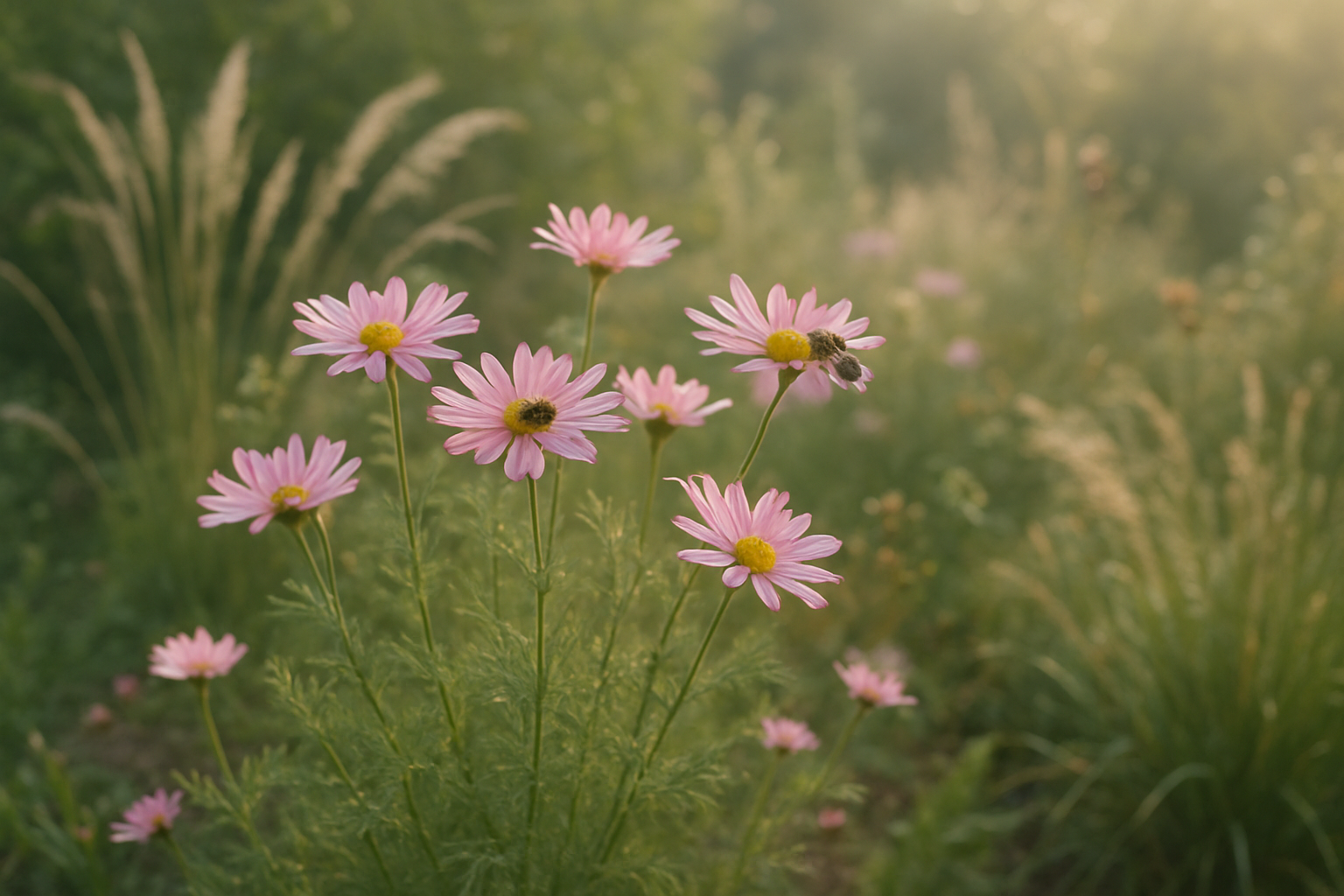
Pink dandelion is the common name often used for Crepis rubra, a member of the daisy family. You may also see it called red-flowered hawksbeard. Despite the nickname, it is not a true dandelion, but it shares a similar open flower shape and an equally easygoing habit.
The blooms are usually pale pink to deeper rose tones, held above slim stems and light, feathery foliage. Because the flowers are simple and open, they blend beautifully with ornamental grasses, other annuals, and naturalistic planting schemes. In the right setting, they look like they belong in a meadow, even when grown in a small backyard.
Why Gardeners Love It
There are a few reasons pink dandelion is gaining attention in modern gardens:
- Pollinator friendly: Bees and other beneficial insects are drawn to the open flowers.
- Soft color palette: The pink tones mix well with silver foliage, white blooms, and grasses.
- Low-maintenance feel: Once established, it handles dry spells better than many bedding plants.
- Flexible use: It works in borders, gravel gardens, containers, and meadow-style plantings.
If you like a garden that feels relaxed rather than overly formal, this is a plant worth trying. It brings movement and charm without demanding constant attention.
How to Grow Pink Dandelion
Choose the Right Spot
Pink dandelion grows best in full sun. A bright, open position helps the plants stay compact and flower well. It also prefers well-drained soil, which is important because soggy conditions can shorten its lifespan and reduce flowering.
If your soil tends to hold water, consider growing it in a raised bed, gravelly border, or container where drainage is easier to control.
Prepare the Soil
You do not need heavily enriched soil for this plant. In fact, overly rich ground can encourage soft, floppy growth. Aim for soil that is loose and drains freely. If your ground is heavy clay, mix in compost and horticultural grit to improve structure, or plant in a raised area where water can move away more easily.
Sowing Seeds
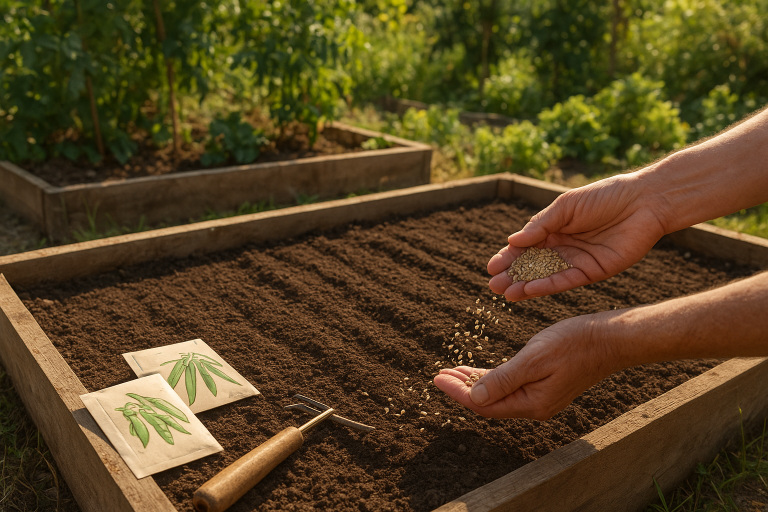
Pink dandelion is typically grown from seed. Sow it outdoors after the risk of hard frost has passed, or start seeds in a protected spot if you want a head start. Follow the packet instructions for spacing, but in general, give seedlings room to develop airy clumps rather than crowding them tightly together.
For a natural look, scatter seed more loosely and thin seedlings as they grow. For a more designed display, space them in small groups throughout the border so the flowers repeat rhythmically.
Watering
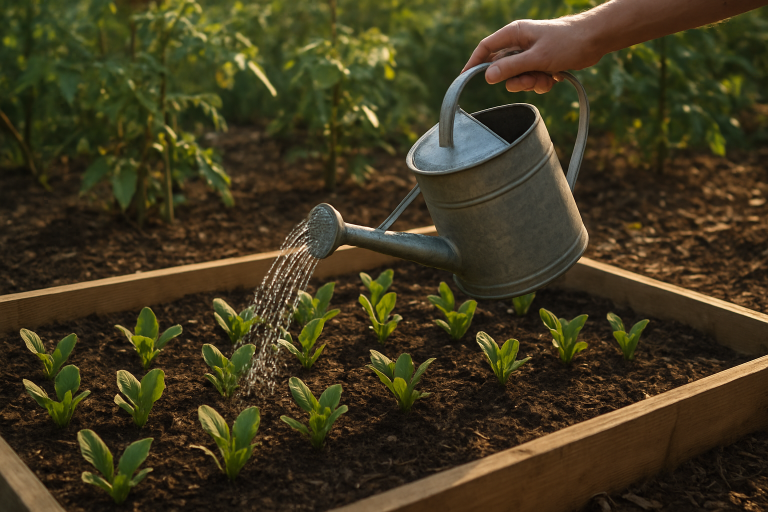
Water young plants regularly until they are established. After that, pink dandelion is fairly forgiving and can cope with drier conditions. In prolonged dry weather, give it a deep watering rather than frequent light sprinkles. Deep watering encourages roots to grow farther down into the soil.
If you are growing it in a pot, check more often. Containers dry out faster than garden beds, especially in hot weather.
Feeding
Skip heavy feeding. A light top-dressing of compost in spring is usually enough for border plants. In containers, a gentle liquid feed every few weeks during active growth can help keep flowers coming, but avoid overdoing it.
Where to Use It in the Garden
Pink dandelion shines in planting schemes that have movement and a slightly wild feel. It pairs especially well with:
- ornamental grasses
- white cosmos
- verbena
- scabious
- yarrow
- feathery fennel or dill
These combinations create a soft, layered effect that feels modern but not overly controlled. If you prefer a cottage-style border, try mixing it with calendula, nigella, and cornflowers for a more playful look.
In containers, choose a pot with drainage holes and use a gritty, multipurpose compost. Pink dandelion looks especially good spilling naturally over the edge of a terracotta planter alongside other sun-lovers.
Maintenance Tips for Better Blooms
This is not a plant that needs much fuss, but a few simple habits will keep it looking its best:
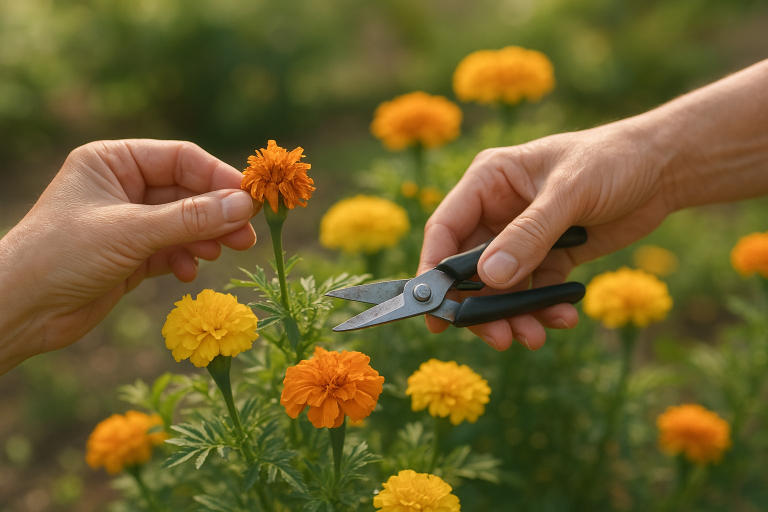
- Deadhead regularly if you want to encourage more flowers and prevent the plant from going to seed too quickly.
- Thin seedlings early so each plant has space and airflow.
- Watch for floppiness in rich soil or too much shade, both of which can weaken stems.
- Allow some self-seeding if you like a looser, meadow-style display next year.
Because it is an annual, pink dandelion will usually complete its life cycle in one season. That said, if you let a few flower heads mature, you may get volunteer seedlings the following year. For gardeners who enjoy a bit of serendipity, that can be a real bonus.
Common Problems and How to Avoid Them
Pink dandelion is generally trouble-free, but the biggest issues usually come from poor placement rather than pests. Too much shade can reduce flowering. Heavy, waterlogged soil can lead to weak growth. Overfeeding can make stems soft and less attractive.
If slugs or snails are an issue when plants are young, protect seedlings with simple barriers or other humane garden controls. Once the plants have gained size, they are usually much less vulnerable.
Is Pink Dandelion Worth Growing?
If you want a plant that brings color, pollinator value, and a natural look without much effort, the answer is yes. Pink dandelion is a great reminder that everyday garden plants can still feel fresh when they show up in an unexpected color. It has the relaxed, cheerful character of a wildflower, but enough elegance to fit into more considered designs too.
For anyone trying to build a garden that feels softer, more wildlife-friendly, and easier to maintain, Crepis rubra is a small plant with a big visual payoff. It may even change how you feel about dandelion-style flowers altogether.
Quick Growing Checklist
- Light: Full sun
- Soil: Well-drained, not overly rich
- Water: Regularly while young, then sparingly once established
- Best use: Borders, gravel gardens, meadow-style planting, containers
- Extra benefit: Attractive to bees and other pollinators
With the right spot and only light care, pink dandelion can become one of those understated plants that quietly steals the show.