Pair Japanese Anemone With Ninebark for Fall Color
If your garden starts looking tired by late summer, a smart plant pairing can bring it back to life. One of the easiest ways to extend color into fall is to combine a delicate flowering perennial with a shrub that carries strong foliage all season long.
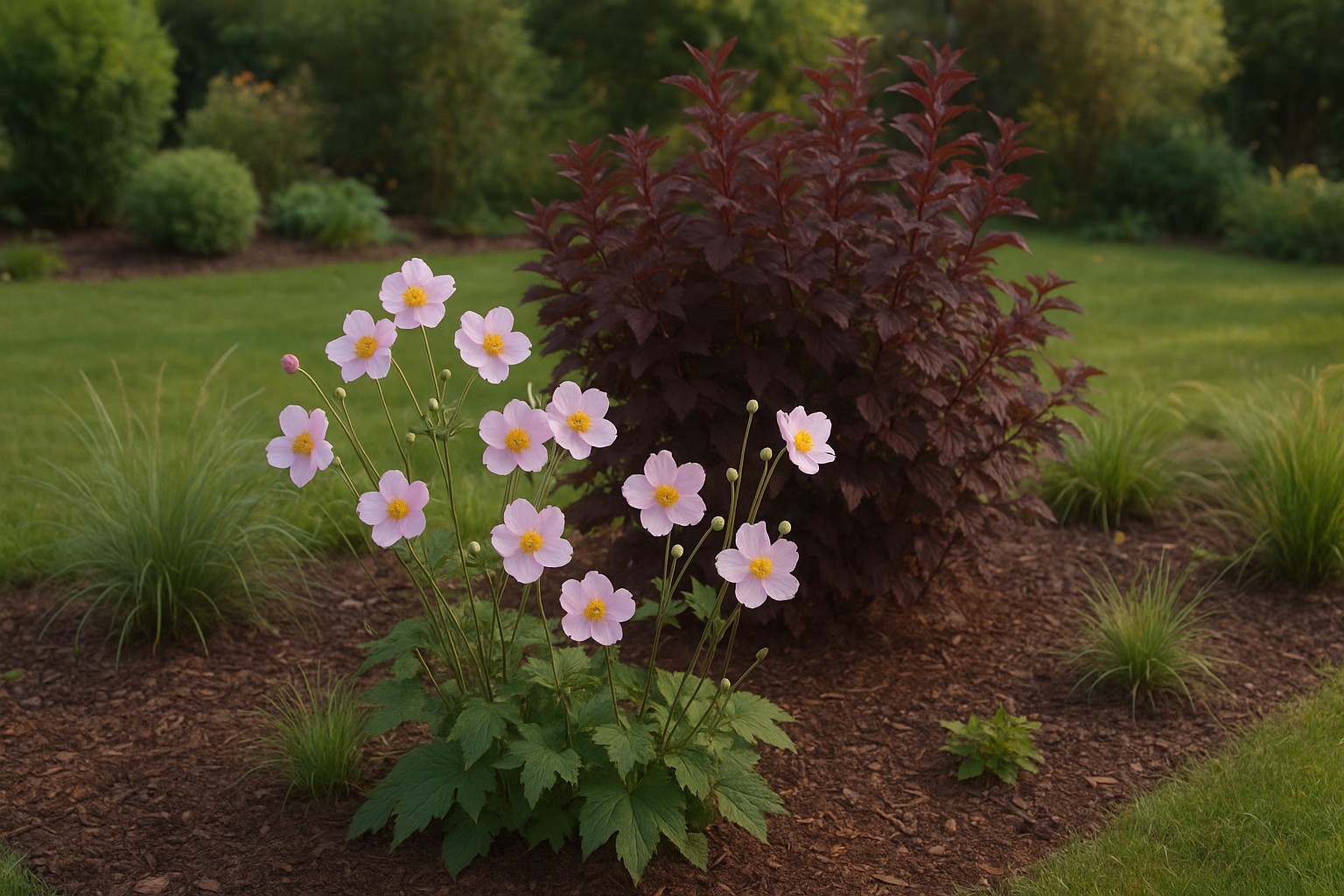
The Japanese anemone and ninebark garden pairing does exactly that: one plant adds airy pink blooms, while the other provides rich, dark leaves that keep the border looking full and polished.
Why this pairing works so well
Japanese anemones are graceful perennials that bloom when many other flowers are winding down. Their tall stems and simple blooms bring movement to the garden, especially when a breeze catches them. Ninebark, by contrast, is a compact shrub with dense, colorful foliage that acts like a visual anchor.
Together, they create a pleasing contrast in both height and texture. The anemone’s loose, open habit softens the shrub’s more solid shape, while the ninebark’s darker leaves make the flowers stand out even more.
- Japanese anemone adds late-season blooms
- Ninebark supplies long-lasting foliage color
- The pairing offers both softness and structure
- It works especially well in mixed borders and cottage-style gardens
Best plants to choose
For a dependable display, look for an anemone with pale pink flowers and a compact ninebark with deep burgundy or copper-toned leaves. That gives you the strongest contrast without overcrowding the bed.
Japanese anemone
Japanese anemones are perennial favorites because they bloom later than many other border flowers, often from late summer into fall. Their flowers can be white or pink, but soft pink varieties are especially attractive with dark foliage nearby.
Choose a variety that fits the space you have. Some anemones spread more vigorously than others, so if you are planting near a pathway or smaller bed, select a more restrained type and give it room to settle in.
Ninebark
Ninebark is a hardy, adaptable shrub valued for its colored foliage, seasonal flowers, and attractive seed heads. Compact varieties are best for this combination because they will not overwhelm the anemone.
A smaller ninebark with bronze-maroon or purple leaves is ideal. Its spring flowers also attract pollinators, and once those fade, the foliage keeps the plant looking interesting through the growing season.
How to plant them together
Successful planting starts with the right placement. Put the ninebark toward the back or center of the border, depending on the view, and position the anemone in front or slightly to the side where its flower stems can rise above lower plants.
Before planting, work in compost to improve soil structure and moisture retention. Both plants appreciate soil that drains well but does not dry out too quickly.
- Choose a sunny to partly sunny spot. Morning sun with light afternoon shade is often ideal, especially in warmer climates.
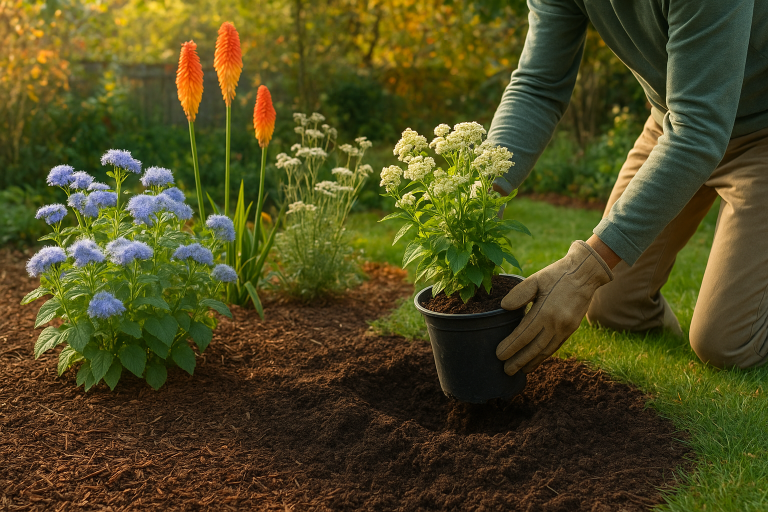
- Dig a wide planting hole. Make it only as deep as the root ball, but broader to encourage root growth.
- Set the plants at the right depth. Keep the crown of the perennial level with the soil and plant the shrub so the root flare sits just above the soil line.
- Water deeply after planting. Soak the root zone well to help settle the soil.
- Add mulch. A 2- to 3-inch layer helps conserve moisture and suppress weeds.
Care tips for a healthy border
These two plants are not difficult to grow, but a few habits will help them perform better and look more refined in the border.
Watering
Japanese anemones do best with consistent moisture, especially while getting established. Ninebark is more tolerant of dry spells once settled, but it still benefits from regular watering in hot, dry weather. Water deeply rather than often, and let the top layer of soil dry slightly between soakings.
Feeding
Too much fertilizer can make perennials floppy and shrubs overly leafy. Instead, feed lightly in spring with compost or a balanced slow-release fertilizer. That is usually enough for both plants.
Pruning
Prune ninebark in late winter or early spring to remove dead wood and shape the plant if needed. For Japanese anemones, trim spent flower stalks after blooming and cut back old growth at the end of the season if the foliage dies back in your climate.
Staking and support
In rich soil or windy sites, Japanese anemones can get a bit tall. If yours tends to flop, try planting it where nearby shrubs or ornamental grasses can provide gentle support without crowding it. A discreet plant support can also help keep stems upright.
Design ideas for a better-looking border
This combination is versatile, but it looks especially good when you echo its colors and shapes with a few supporting plants.
- Ornamental grasses add movement and help repeat the airy feel of the anemone
- Silver-leaved plants brighten the planting and soften dark foliage
- White or blush flowers keep the palette calm and cohesive
- Dark mulch can help the flowers and foliage stand out
If you want a more natural look, plant in odd-numbered groups and vary the spacing slightly. For a formal border, repeat the same pairing at regular intervals to create rhythm along a walkway or fence line.
What to expect through the seasons
One of the best things about this combination is that it does not peak all at once and then disappear. Instead, it evolves over time.
- Spring: ninebark begins to leaf out and may produce clusters of small flowers
- Early summer: the shrub provides foliage color and structure while the perennial grows in
- Late summer to fall: Japanese anemone starts blooming, bringing the border to life
- Autumn: the contrast between flowers and darker foliage becomes even more striking
That staggered timing is exactly why the pairing is so useful. Even when the anemone is not in bloom, the ninebark keeps the bed from looking empty.
Common mistakes to avoid
A few simple missteps can reduce the effect of this planting, so it helps to plan ahead.
- Planting a large shrub too close to the perennial, which blocks light and airflow
- Choosing a vigorous anemone for a tiny bed without enough room to spread
- Overfertilizing, which can lead to weak stems
- Ignoring mature size, especially with ninebark cultivars that can grow larger than expected
To avoid problems, read plant labels carefully and allow enough space for each plant to reach full size without competing too much.
Final thoughts
If you want a border that looks elegant without requiring constant replanting, the Japanese anemone and ninebark garden pairing is an excellent choice. It brings together a soft, flower-filled perennial and a moody, colorful shrub for a display that feels balanced and finished.
Plant it in a spot with good light, give both plants room to mature, and you will have a late-season combination that adds depth, texture, and lasting interest to the garden.