6 Vegetables to Plant in August for a Fall Harvest
August may feel like the garden is winding down, but it is actually one of the best months to sneak in a second round of vegetables. The soil is still warm, many pests are easing off, and cooler nights help quick crops grow with less stress. If you choose the right vegetables to plant in August, you can still enjoy a solid harvest before the first frost.
Success comes down to speed. Focus on crops that mature quickly or tolerate a light chill, and always compare the days to maturity on the seed packet with your average first frost date. If you are close to the edge, add a little buffer and use simple season extenders like row cover or a cold frame.
How to Choose August Crops
Before you dig in, take a quick look at your local frost date and count backward. For tender crops, you need enough time for the plant to finish before temperatures drop. For cooler-weather vegetables, a light frost is less of a problem and can even improve flavor in some cases.
- Choose quick growers with short maturity windows.
- Look for cool-season vegetables that like shorter days and lower temperatures.
- Water consistently because late-summer heat can dry soil fast.
- Sow in the evening or on a cloudy day when possible to reduce stress on seedlings.
If your soil is very hot from summer sun, give it a thorough watering before planting. That helps seeds settle in and germinate more evenly.
1. Bush Beans
Bush beans are one of the few warm-season vegetables that can still work as an August planting if you have enough frost-free time left. Many varieties can go from seed to harvest in about 45 to 60 days, which makes them a good fit for late summer in milder climates.
They are best planted right away once a bed opens up, because beans do not like cold weather and will stop producing quickly after frost. A sunny spot and steady moisture make a big difference in late-season success.
Tips for planting bush beans
- Sow seeds about 1 inch deep in well-drained soil.
- Space them so air can move through the plants and reduce disease.
- Harvest frequently while pods are young and tender.
- Water at the soil line to keep leaves dry and limit fungal problems.
If you are unsure whether beans will finish in time, check your frost date and subtract the variety’s maturity window. If there is only a narrow margin, skip them and choose a faster crop instead.
2. Radishes
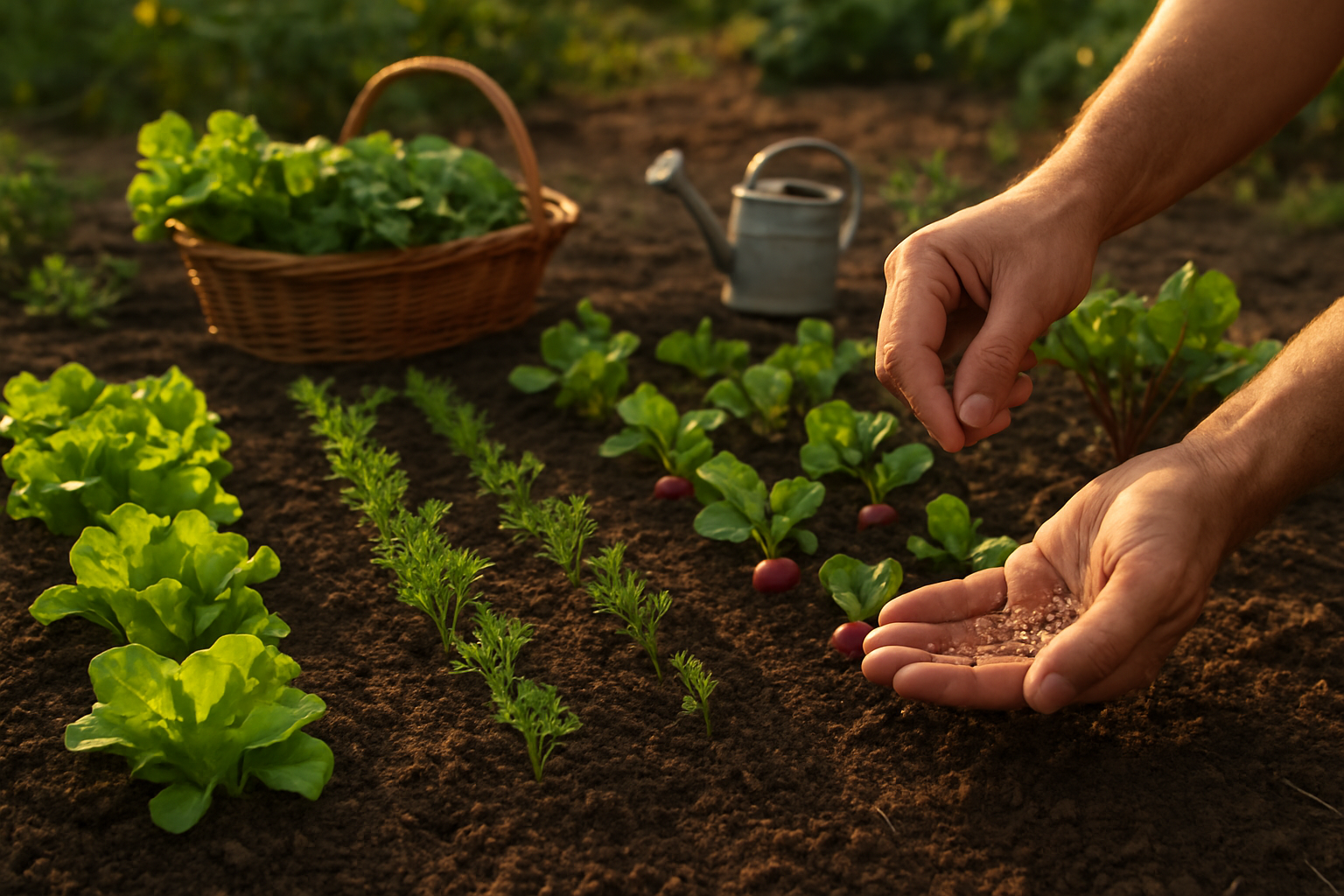
Radishes are one of the easiest vegetables to plant in August because they grow fast and do not ask for much. Many varieties are ready in just three to four weeks, which makes them ideal for filling gaps in the garden.
Cooler fall weather is especially kind to radishes. The roots often stay crisper and less aggressive in flavor than they can during hot weather, so late summer sowings can be surprisingly good.
Tips for planting radishes
- Sow a short row every 7 to 10 days for a longer harvest.
- Keep the soil evenly moist so roots stay tender.
- Thin seedlings early so roots have room to size up.
- Harvest on time; oversized radishes can become woody or split.
Radishes are also handy for compact gardens. You can tuck them alongside slower crops and harvest them before the bigger plants need the space.
3. Carrots
Carrots take a little more patience, but August can still be a smart planting window if your frost date is late enough. Quick-maturing types are often ready in about 50 to 75 days, and cool weather helps roots develop sweet flavor.
The main challenge is getting good germination in warm, crusty soil. Carrot seed is slow to sprout, so regular moisture matters more than almost anything else at the start.
Tips for planting carrots
- Work the soil deeply so roots can grow straight.
- Remove stones and clumps that can cause forked or misshapen roots.
- Keep the top layer moist until seedlings emerge.
- Use a light mulch after sprouting to help retain water.
If your garden soil is heavy clay, try shorter-rooted varieties or grow carrots in raised beds for better results.
4. Beets
Beets are one of the most dependable vegetables to plant in August because both the roots and the greens are edible. Depending on the variety, you can often harvest baby beets in as little as 40 to 50 days, while full-sized roots may take a bit longer.
They handle cool weather well and usually taste sweeter as temperatures drop. That makes them a strong choice for gardeners who want both quick greens and a useful root crop.
Tips for planting beets
- Sow seeds directly in the garden about 1 inch apart.
- Thin seedlings so the roots have space to swell.
- Pick baby greens early if you want a two-for-one harvest.
- Mulch lightly to hold moisture and reduce weeds.
Beets do best in loose, fertile soil. If you add compost before planting, the roots usually develop more evenly.
5. Leaf Lettuce
Leaf lettuce is one of the best vegetables to plant in August because it grows quickly and prefers cooler weather. Unlike head lettuce, leaf types can be harvested in stages, so you do not have to wait for a single final cut.
Late summer heat can make lettuce bitter or cause it to bolt, but planting now gives the crop a better chance to mature as temperatures ease. In many gardens, August is the sweet spot for a fall salad supply.
Tips for planting lettuce
- Sow in partial shade if your afternoons are still very hot.
- Keep soil consistently moist for tender leaves.
- Harvest outer leaves first for a longer picking window.
- Use shade cloth if seedlings struggle in intense sun.
For a steady harvest, sow a small batch every two weeks instead of planting everything at once. That way, you get fresh leaves over a longer period.
6. Spinach
Spinach is a classic fall crop because it grows best when the weather cools down. August planting works well in many regions, especially if you are aiming for baby leaves first and a fuller harvest later. Some varieties can be ready in about 30 to 45 days.
Spinach prefers rich soil and steady moisture, and it performs best when the worst of summer heat is starting to fade. In cooler weather, the leaves stay tender and sweet.
Tips for planting spinach
- Sow seeds in shallow rows and cover lightly.
- Water regularly so seedlings do not stall.
- Use shade in very hot climates until temperatures drop.
- Harvest outer leaves often to keep plants producing.
If your region still has strong August heat, wait for a cooler stretch or start spinach in a partially shaded bed. A little protection early on can make the difference between bolting and a usable crop.
Getting the Most from an August Planting
Late-season gardening is mostly about making small adjustments that help plants keep moving. A few easy habits can extend your harvest and make August sowings far more productive.
- Check frost dates first. This tells you which crops are realistic for your area.
- Choose faster varieties. Seed catalogs often label early or quick-maturing types.
- Keep soil evenly moist. Dry spells slow germination and reduce yields.
- Use mulch. It helps hold water and keeps the soil cooler.
- Protect young plants. Row cover can shield seedlings from heat, insects, and an early chill.
Even if the season feels nearly finished, August can still deliver a surprisingly full harvest. With the right mix of quick crops and cool-season favorites, your garden can keep producing well into fall.
If you have open beds, do not let them sit empty. A little planning now can turn that late-summer space into crisp radishes, sweet roots, fresh greens, and a table full of homegrown flavor before frost arrives.