Tomatillo Plant Not Producing? 5 Common Causes and Fixes
If you have a tomatillo plant not producing, you are not alone. These plants can look vigorous, bloom heavily, and still leave you with only empty husks or very few fruits. The good news is that the problem is usually fixable once you figure out what is getting in the way.
Tomatillos are related to tomatoes, but their fruit set depends on a few specific conditions. In many gardens, the issue comes down to pollination, sunlight, plant spacing, or stress from water and nutrients. Here’s how to narrow down the cause and get your plant back on track.
1. The flowers are not getting pollinated
This is the most common reason a tomatillo plant blooms but does not fruit. Tomatillos are not reliably self-fertile, which means a single plant often produces poorly on its own. Even when flowers open in abundance, the plant may still need pollen from a second tomatillo plant nearby.
Pollination also depends on insect activity. Bees are usually the main helpers, and if you have few pollinators in your garden, fruit set may be weak. Cool, rainy weather can also keep insects away when the flowers are open.
How to fix it
- Grow at least two tomatillo plants for better pollination and fruit set.
- Plant them close together, ideally within a few feet of each other.
- Avoid using broad-spectrum insecticides near blooms.
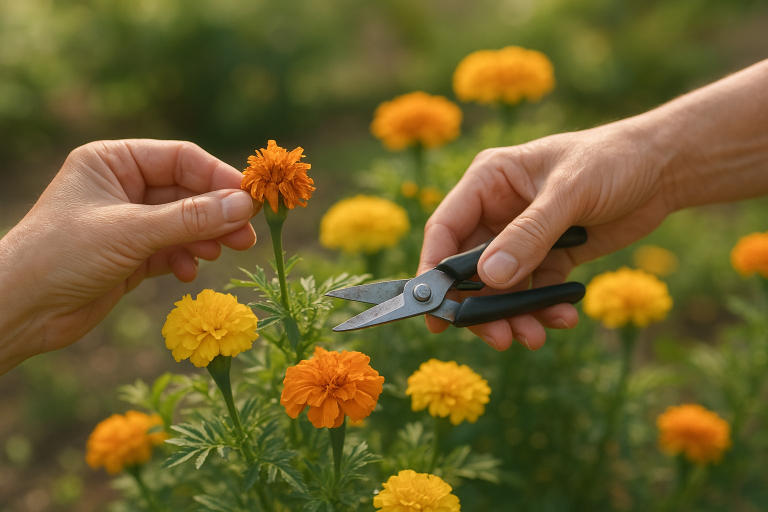
- Attract pollinators with nearby flowers such as zinnias, dill, basil, or marigolds.
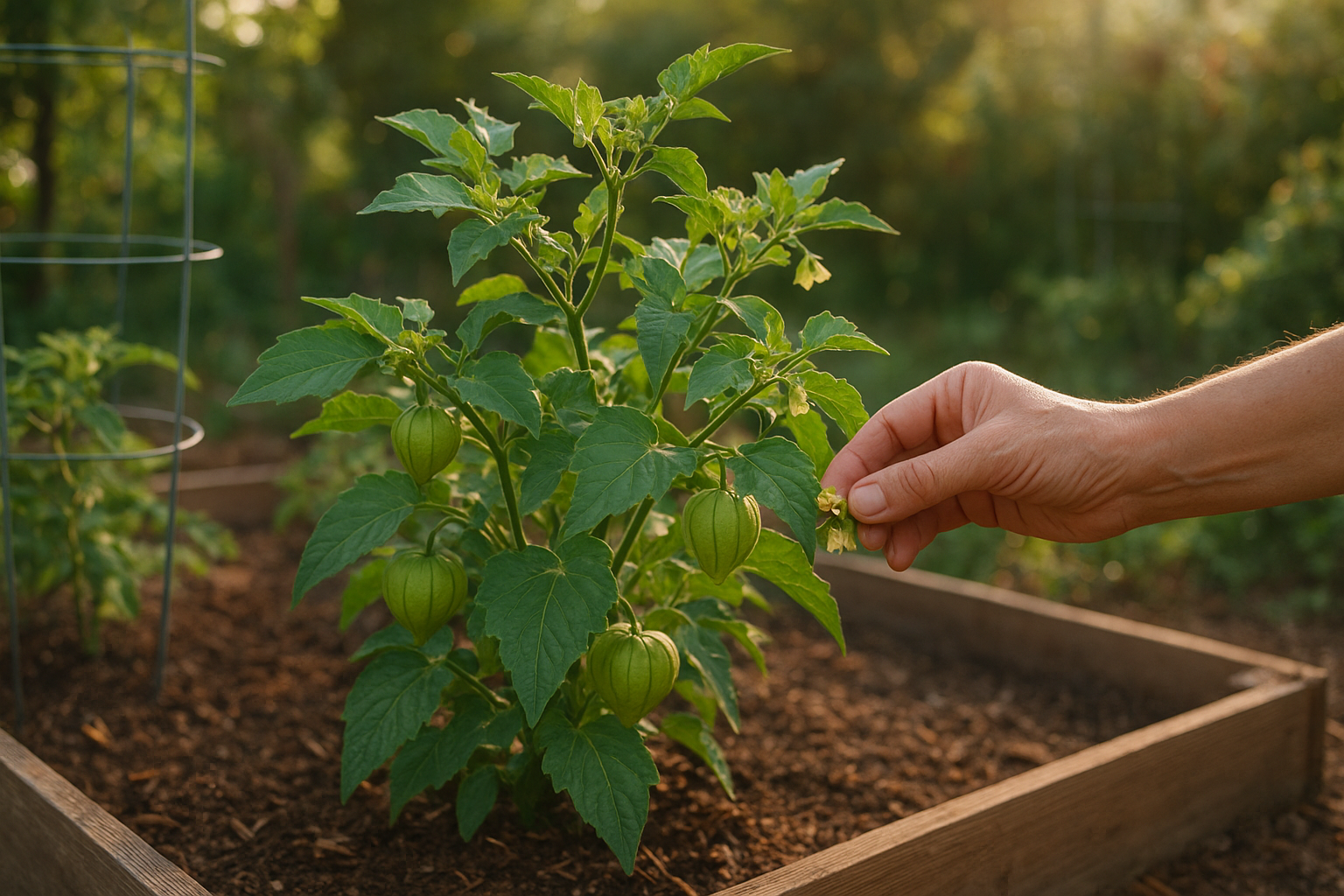
If you already have multiple plants and still see poor fruiting, hand pollination can help. Use a small paintbrush or cotton swab to move pollen from one flower to another, especially early in the day when flowers are fresh.
2. The plant is getting too little sun
Tomatillos need full sun to produce well. If they receive only a few hours of direct light each day, they may grow leafy and tall but put their energy into stems instead of fruit. A shady location can also slow flowering and reduce the plant’s overall vigor.
Even in a sunny yard, nearby structures, trees, or taller crops can cast enough shade to interfere with production. This is especially common in midsummer when gardens become crowded.
How to fix it
- Choose a spot with at least 6 to 8 hours of direct sun each day.
- Trim back nearby plants that block light.
- In future seasons, place tomatillos where they will not be overshadowed by corn, sunflowers, or trellised crops.
If the plant is already in the ground and cannot be moved, you can still improve results by making sure the foliage is not buried in surrounding growth. Better airflow and more light around the canopy can help the plant shift from leaf growth to fruiting.
3. The soil has too much nitrogen
Tomatillos that get too much nitrogen often grow large, lush, and leafy, but they may be reluctant to flower or set fruit. This happens when gardeners use a fertilizer intended for lawns or overly rich compost-heavy soil. Nitrogen pushes green growth at the expense of blooms.
It can be frustrating because the plant may look very healthy from a distance. If you see lots of leaves, strong stems, and few flowers, nutrient imbalance may be the culprit.
How to fix it
- Use a balanced vegetable fertilizer rather than a high-nitrogen product.
- Follow package directions carefully; more fertilizer is not better.
- If you added a lot of compost or manure, give the plant time to settle before feeding again.
- Consider a soil test if your garden has a history of overfertilizing.
Once flowers begin to form, a fertilizer with less nitrogen and a little more phosphorus and potassium can support fruit development. Keep the feeding light and steady instead of heavy and frequent.
4. Watering is inconsistent
Tomatillos handle warm weather well, but they do not like extreme swings between dry soil and soaking wet conditions. If the plant is stressed by drought, it may drop flowers before they turn into fruit. On the other hand, soggy soil can weaken roots and reduce the plant’s ability to produce.
Containers are especially prone to this issue because they dry out quickly. In-ground plants can also struggle if the soil drains poorly or if watering is irregular during heat waves.
How to fix it
- Water deeply rather than giving frequent shallow sprinkles.
- Check the soil with your finger; water when the top inch or two feels dry.
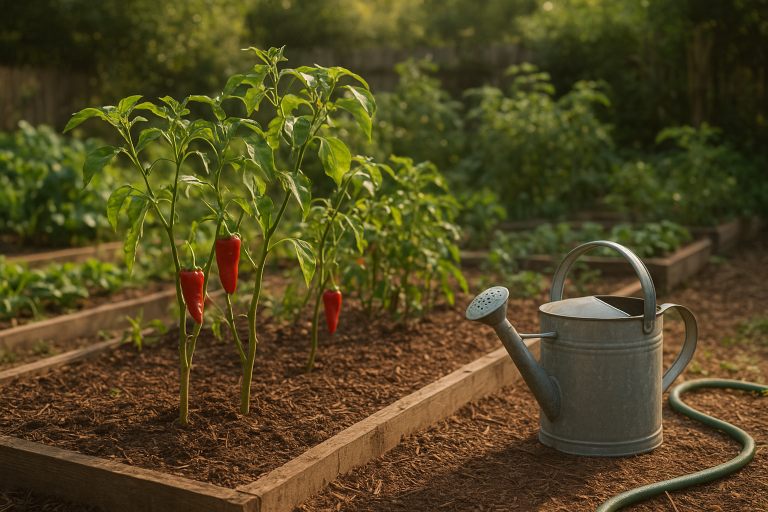
- Add mulch to help hold moisture and keep roots cooler.
- Make sure containers have drainage holes and do not sit in standing water.
Consistent moisture is the goal. A tomatillo plant that gets a steady supply of water is more likely to keep its blossoms and develop husks full of fruit.
5. The plant is still too young or the season is not right
Sometimes the issue is simply timing. Young tomatillo plants may bloom slowly while they build enough size to support fruiting. Cool nights, sudden heat, or a short growing season can also affect how well flowers turn into harvestable fruit.
Tomatillos usually need warm weather to thrive. If temperatures stay too low, flowers may not be fertilized efficiently. If the heat becomes extreme, blossoms can drop before fruit forms. Both cold and heat stress can interrupt production.
How to fix it
- Be patient with younger plants; many improve once they are established.
- Start seeds early indoors in cooler climates so plants have a head start.
- Use row cover early in the season if chilly nights are lingering, but remove it once flowers open so pollinators can reach them.
- In very hot weather, keep the soil evenly moist and consider afternoon shade only if temperatures are extreme.
If your season is short, choosing an early-maturing variety can make a big difference. Some tomatillos need more time to flower and set fruit than gardeners expect.
Quick checklist for a tomatillo plant that is not producing
If you want a fast diagnosis, work through this simple list:
- Do you have more than one plant? If not, add another one next season or hand-pollinate.
- Is it getting enough sun? Aim for 6 to 8 hours of direct light.
- Have you been fertilizing heavily? Switch to a balanced vegetable fertilizer.
- Is watering consistent? Keep soil evenly moist, not soggy or bone dry.
- Is the plant mature enough and growing in warm enough weather? Give it time and protect it from cold stress.
When to expect fruit after flowers appear
Once pollination happens, tomatillo fruits develop inside the papery husk. You should begin to see the husks swell as the fruit grows. Harvest is usually ready when the husks fill out and the fruit inside feels firm. The husk may split as the fruit matures, which is another sign it is nearing harvest time.
If flowers are opening but nothing is swelling inside the husks after a couple of weeks, revisit the pollination and watering sections first. Those are the most common sticking points.
How to encourage more production next season
Once you solve the immediate problem, a little planning can improve yields the following year. Tomatillos do best when they have room, consistent care, and reliable pollination. A small amount of prep can lead to a much bigger harvest.
- Plant in full sun and rich, well-drained soil.
- Space plants so air can move freely around them.
- Grow at least two plants of the same type together.
- Mulch after the soil warms up.
- Feed lightly and avoid excess nitrogen.
With those basics in place, tomatillos usually reward you with steady production through the warm months. Salsa verde season is much more satisfying when the plants are actually loaded with fruit.