Topping Pepper Plants: When and How to Do It
If you’ve ever looked at a young pepper plant and wondered whether snipping the top would help it grow better, you’re not alone. Topping pepper plants is one of those garden techniques that can make a big difference when used at the right time, but it can also slow plants down if it’s done too early or too aggressively.
The good news is that topping is not complicated. With a little timing and a gentle hand, you can encourage a pepper plant to branch out, build a sturdier shape, and sometimes carry more fruit later in the season.
What topping pepper plants actually means
Topping means removing the growing tip of a pepper plant. That tip, also called the main growing point, is the part that pushes the plant upward and helps it stay more upright and narrow.
When you remove that top section, the plant often responds by sending energy into side branches instead. The result can be a bushier plant with a wider shape and more places for flowers and fruit to form.
It’s important to understand that topping is not the same thing as random pruning. You are making a specific cut with a goal in mind: encouraging branching and shaping the plant.
Why gardeners top pepper plants
There are a few practical reasons to top pepper plants:
- To encourage branching: A topped pepper plant often develops two or more main stems instead of one dominant leader.
- To create a sturdier shape: Bushier plants can be less top-heavy and easier to support.
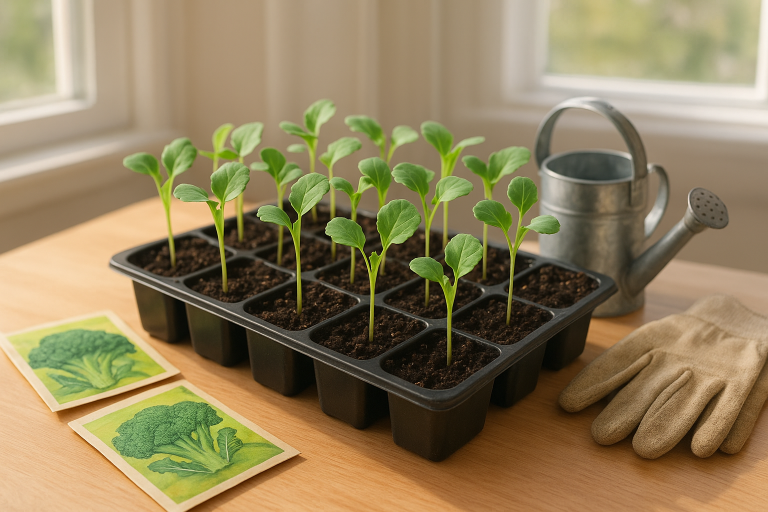
- To manage indoor starts: If seedlings are getting tall and spindly, topping can sometimes help them fill out.
- To fit more plants in a smaller space: A shorter, wider plant may work better in some beds or containers.
That said, topping is not a magic trick for bigger harvests. In some gardens, untopped pepper plants produce just as well or better, especially when the season is short.
When topping pepper plants makes sense
The best time to top a pepper plant is when it is young, established, and actively growing. A good candidate usually has several sets of true leaves and a strong root system.
For transplants, many gardeners wait until the plant is at least 6 to 8 inches tall and has a healthy stem. You want enough growth that the plant can recover quickly after the cut.
Topping can make sense if:
- the plant is leggy and reaching for light
- you want a bushier structure for a long growing season
- you’re growing in a protected space like a greenhouse or warm climate
- the plant has plenty of time to regrow before cold weather
In short-season areas, though, topping can delay flowering and fruiting. If your peppers already have a tight window to mature, you may get better results by leaving them alone.
When not to top pepper plants
There are situations where topping is usually a bad idea:
- Very young seedlings: Tiny plants do not have the reserves to bounce back well.
- Weak or stressed plants: If a pepper is wilting, yellowing, or recovering from transplant shock, wait.
- Plants in a short growing season: You may lose valuable time before flowering.
- Already compact varieties: Some peppers naturally grow bushy and don’t need shaping.
Also, if your main goal is early peppers rather than a fuller plant, skip topping. A healthy pepper left to grow naturally often starts flowering sooner.
How to top pepper plants step by step
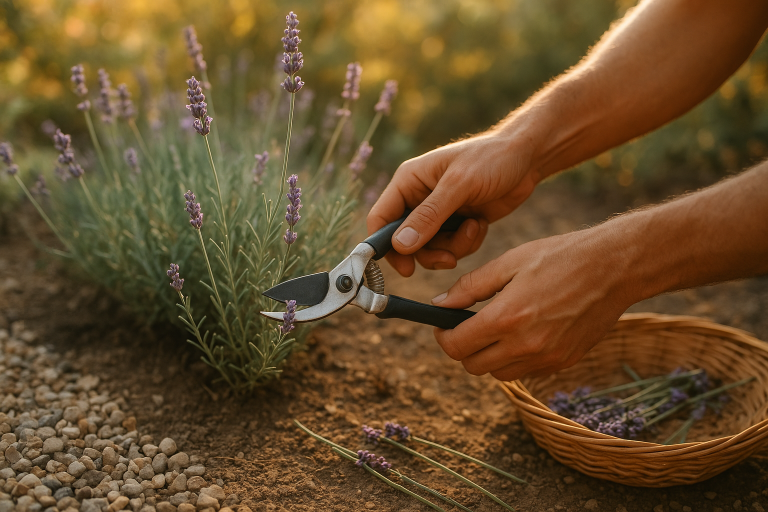
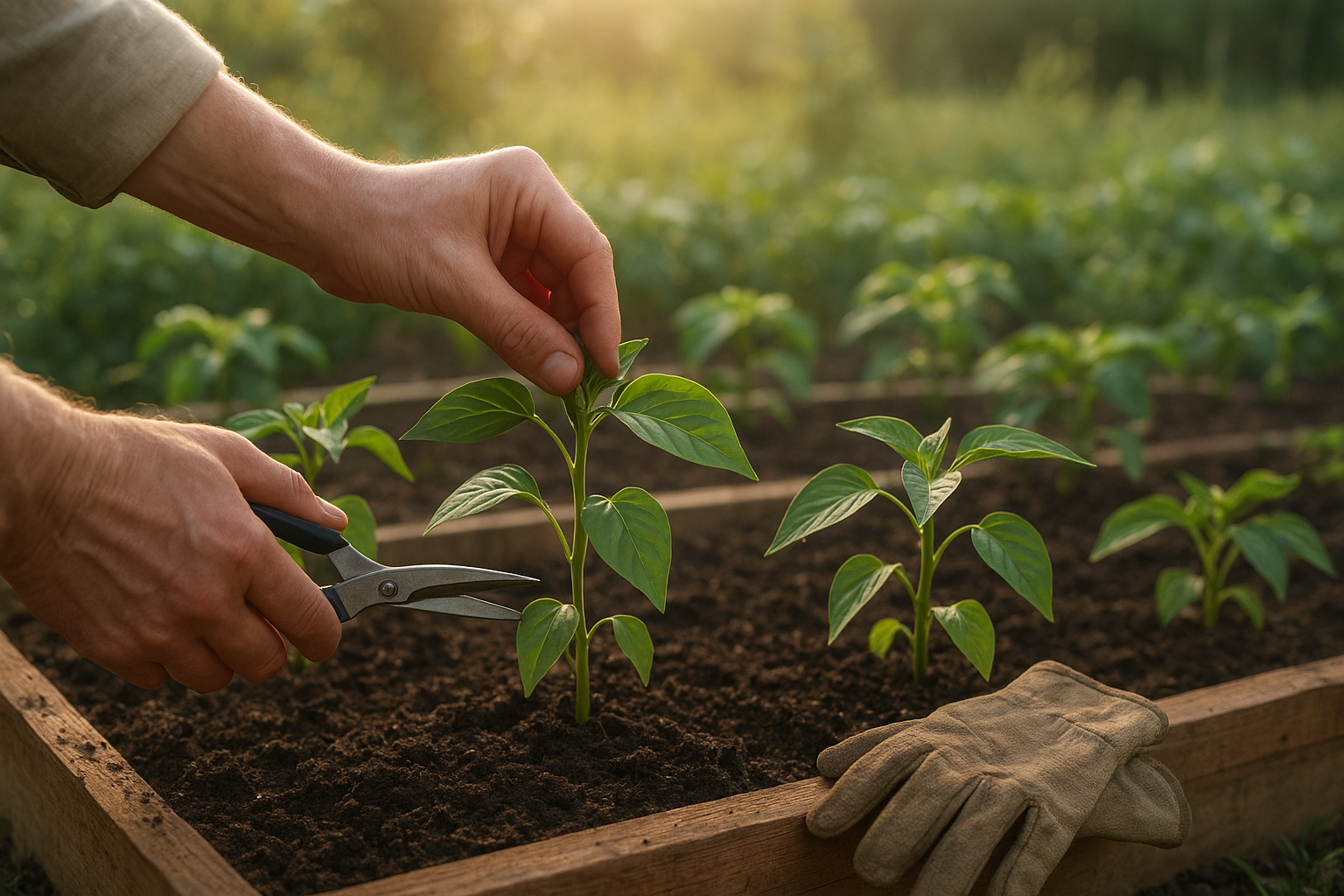
Topping is simple, but clean technique matters. Use sharp, sanitized scissors or pruning snips to reduce damage and lower the risk of spreading disease.
- Choose the right plant. Pick a healthy pepper with several sets of true leaves and no signs of stress.
- Find the growing tip. Look at the top of the plant where new leaves are emerging from the center stem.
- Make a clean cut. Remove the top section just above a leaf node, leaving enough healthy growth below it to keep the plant vigorous.
- Water afterward if needed. A lightly watered, well-cared-for plant recovers faster than one left dry.
- Watch for new side shoots. In the following days and weeks, growth should begin to branch below the cut.
If you’re nervous about cutting too much, start small. You can always remove more later, but you cannot put a cut stem back.
What happens after topping
After topping, the plant may pause briefly while it adjusts. That pause is normal. In many cases, new side branches begin growing from the nodes just below the cut.
Those new branches can become the main framework of the plant. As they grow, you may want to lightly stake or cage the pepper so the new shape stays upright and supported.
Keep in mind that topping redirects growth. The plant may spend a little time rebuilding before it focuses on flowers. That’s why topping is best for gardeners who have patience and a longer season ahead.
Extra care after topping
After you top a pepper plant, give it steady care so it can recover well:
- Provide full sun: Peppers need plenty of light to regrow strongly.
- Keep watering consistent: Don’t let the soil swing between bone dry and soggy.
- Feed lightly if needed: A balanced fertilizer can support new growth, but avoid overdoing nitrogen, which can push leaves at the expense of flowers.
- Mulch the soil: Mulch helps keep moisture even and reduces stress.
- Watch for pests: Tender new growth can attract aphids or other insects.
If the weather turns cold or the plant seems stalled, hold off on any additional pruning. Recovery is easier when conditions are warm and stable.
Should all pepper plants be topped?
No. Some gardeners top every pepper seedling, while others never do. Both approaches can work. The right choice depends on your climate, your goals, and the specific plant.
Sweet bell peppers, hot peppers, and ornamental peppers can all be topped, but not every variety responds the same way. Smaller, naturally compact peppers may not need it. In many home gardens, selective topping is the most sensible approach.
If you want a simple rule, use this: top only healthy plants that have time to recover and benefit from a bushier shape. If the plant is already behind schedule, let it grow naturally.
A simple way to decide
Before you grab the snips, ask yourself these questions:
- Is the plant healthy and growing vigorously?
- Does it have enough time left in the season?
- Do I want more side branching rather than early fruit?
- Will the plant benefit from a shorter, sturdier shape?
If you answer yes to most of those, topping may be worth trying. If not, leave the plant alone and focus on sunlight, water, and good soil instead.
The bottom line
Topping pepper plants can be a useful technique, but it works best when it’s intentional. Done at the right time, it can encourage a fuller plant and stronger structure. Done at the wrong time, it can slow growth and reduce your harvest window.
For most gardeners, the safest approach is to top only vigorous young peppers that have plenty of warm weather ahead. When in doubt, compare a few plants: top one or two, leave others untouched, and see which performs best in your own garden.
That hands-on comparison is often the best gardening lesson of all.