7 Smart Ways to Rebuild Garden Soil in Fall
Once the summer harvest winds down, it’s tempting to leave the garden alone until spring. But fall is one of the best times to improve garden soil in fall because the ground is still warm enough for roots, microbes, and earthworms to keep working. A little effort now can lead to looser soil, better drainage, and healthier plants next year.
You do not need to dig up the whole yard or buy a cartload of products to make a difference. A few practical steps, done before the first hard freeze, can protect your beds through winter and make spring planting much easier.
Why fall is the best time to work on soil
In autumn, garden soil is usually still active below the surface even when the air feels chilly. That means compost, mulch, and other organic materials can begin breaking down before winter slows everything down. If you wait until spring, the soil may still be cold, wet, and difficult to work.
Fall work also helps prevent nutrient loss. Bare soil is more likely to be washed away by rain, compacted by winter weather, or depleted by freeze-thaw cycles. Covering and feeding it now gives your garden a much stronger foundation.
1. Add compost to feed the soil
Compost is one of the easiest and most effective ways to refresh tired beds. It improves structure, helps sandy soil hold moisture, and helps clay soil drain better. It also supports the beneficial organisms that keep garden soil healthy.
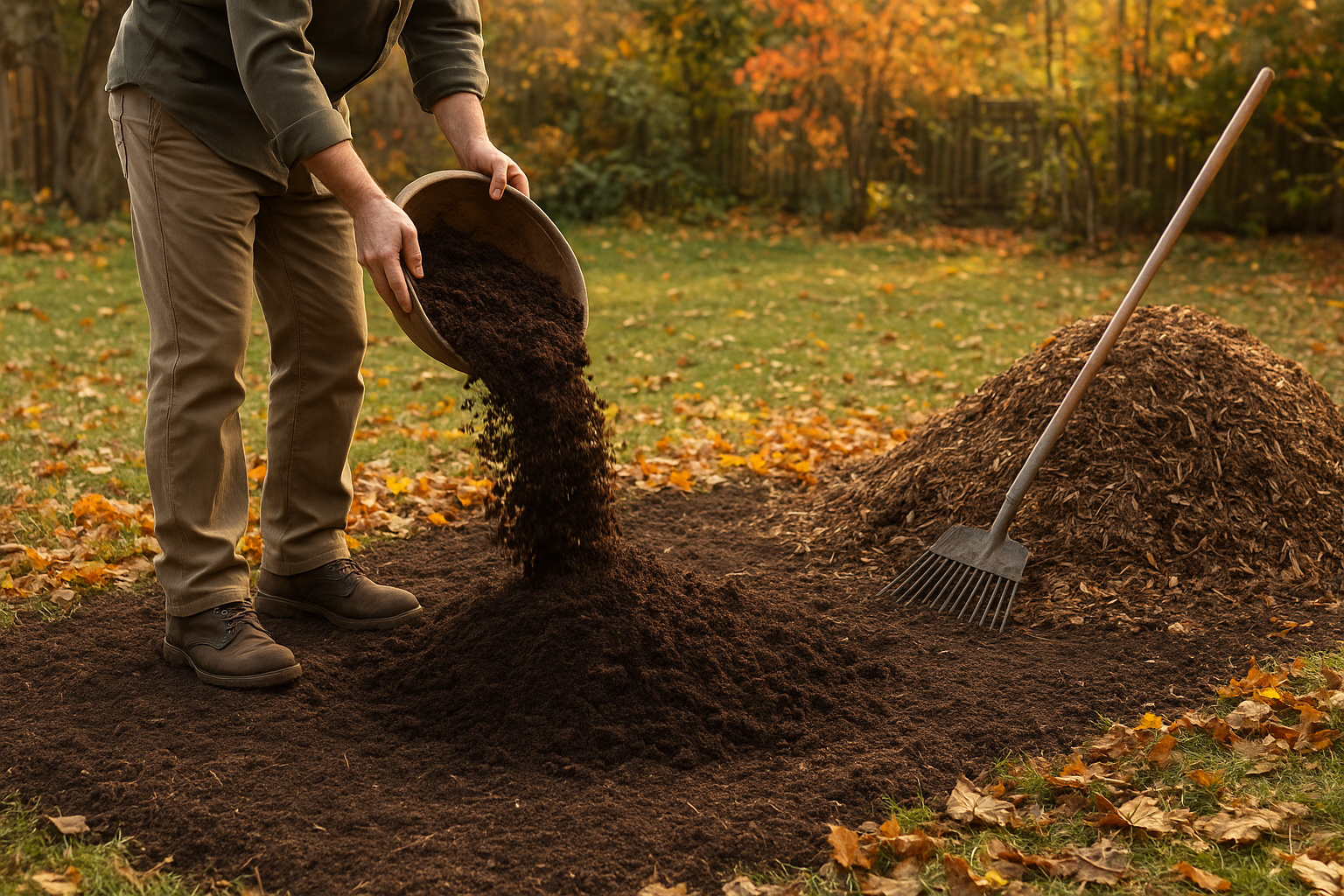
Spread a 1- to 2-inch layer over empty beds and gently rake it in, or let worms and weather incorporate it naturally. There is no need to bury it deeply. Compost works best when it stays in the top few inches where roots and soil life are active.
- Use fully finished compost, not fresh kitchen scraps.
- Apply it to vegetable beds, flower beds, and around shrubs.
- If the soil is dry, water lightly after spreading to help it settle.
2. Cover bare ground with mulch
Bare soil loses moisture and structure quickly. A mulch layer acts like a blanket, protecting the surface from heavy rain, wind, and sudden temperature swings. It also helps suppress weeds that would otherwise start growing during mild winter spells.
Shredded leaves, straw, pine needles, or wood chips can all work, depending on what you are mulching. For vegetable beds, lightweight materials like chopped leaves or straw are often easiest to remove in spring. Around shrubs and perennials, wood chips can last longer and look neat.
Tip: Keep mulch a few inches away from plant stems and tree trunks to reduce rot and rodent problems.
3. Plant a cover crop for living protection
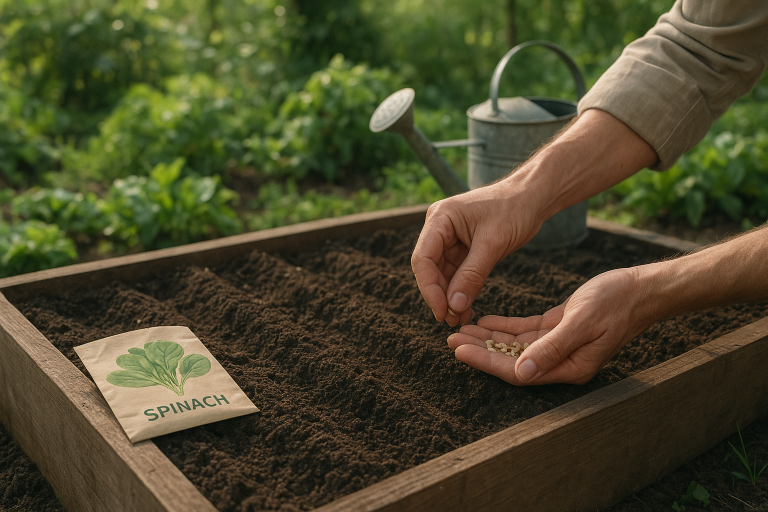
If you have open beds that will sit idle until spring, a cover crop can do a lot of heavy lifting. These plants protect the soil surface, reduce erosion, and add organic matter when they are cut down later. Some even help capture nutrients that might otherwise wash away over winter.
Good fall cover crops include winter rye, crimson clover, and hairy vetch in many climates. In smaller home gardens, even a simple stand of oats or annual ryegrass can help if you have enough time before cold weather arrives.
How to use cover crops well
- Clear away spent plants and weeds.
- Rake the surface smooth.
- Broadcast seed according to the package directions.
- Water lightly so seed can germinate before temperatures drop.
In spring, cut the cover crop down before it sets seed and turn it into the soil or leave it as mulch, depending on the crop and your planting plans.
4. Test the soil before adding amendments
Fall is a smart time to test soil because you have months to make adjustments before planting season. A soil test can tell you whether your beds need lime, sulfur, phosphorus, or other nutrients. It can also help you avoid guessing, which saves money and prevents overfertilizing.
If your garden has shown signs of trouble this year, such as poor growth, yellowing leaves, or weak flowering, a test can reveal whether the issue is pH-related or nutrient-based. Many extension offices and garden centers offer affordable testing options.
Important: Do not add lime or fertilizer blindly. Some materials take time to work, and too much can create more problems than it solves.
5. Refresh depleted beds with organic matter
If your soil feels hard, dusty, or compacted, organic matter is the answer. Compost is the simplest option, but well-rotted manure, leaf mold, and aged bark fines can also help improve texture over time. The goal is not just to add nutrients, but to build better soil structure.
When the ground is not overly wet, loosen the top layer with a garden fork and work in a modest amount of organic matter. Avoid deep digging if you can; in most gardens, gentle top-layer improvement is enough.
- Clay soil benefits from repeated small additions over time.
- Sandy soil often needs more frequent organic matter to hold water and nutrients.
- Healthy soil usually improves through steady maintenance, not one big fix.
6. Leave roots in place when possible
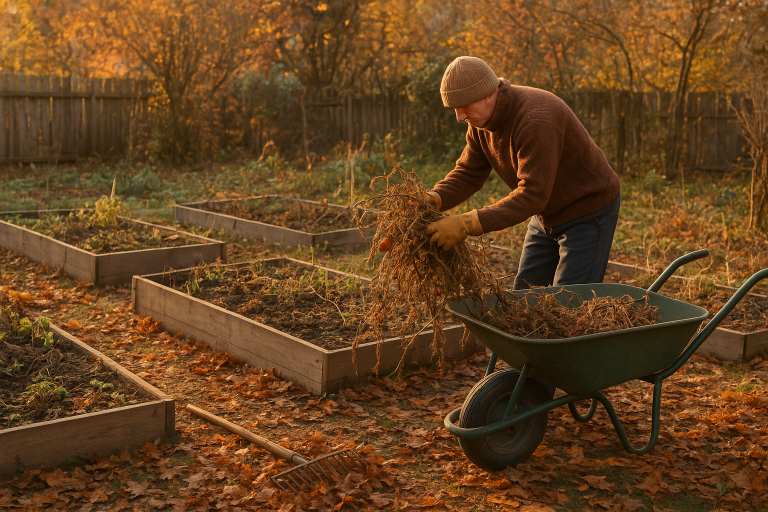
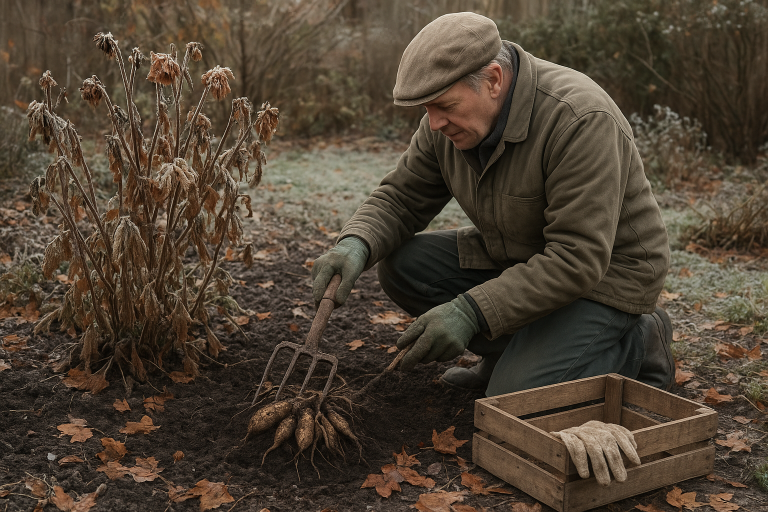
After harvesting annual vegetables, it is tempting to pull everything out completely. But in many cases, roots can be left in the ground to decompose naturally. As they break down, they create channels that improve air movement and water flow in the soil.
If plants were healthy and disease-free, cut them at the base and compost the tops if appropriate. If you had problems with blight, mildew, root rot, or insect infestations, remove the entire plant and dispose of it according to local guidance. Diseased material should not be left in the bed.
Good rule: Leave healthy roots to rot in place, but remove anything that may carry pests or disease into next season.
7. Protect the soil from winter damage
Even after you feed and cover your beds, winter weather can undo your work if the soil is left exposed. Try to keep foot traffic off garden beds as much as possible when the ground is wet or frozen. Compaction can crush the tiny air spaces roots and microbes need.
If you garden in a windy or rainy area, use row covers, shredded leaves, or an extra mulch layer to reduce erosion. Raised beds may dry out faster in winter, so they can benefit from a slightly thicker covering than in-ground plots.
Simple ways to prevent compaction
- Use stepping stones or boards when you must enter a bed.
- Don’t work soil when it is soggy.
- Avoid piling heavy tools or pots on top of beds.
- Keep paths mulched so mud is less likely to spill into planting areas.
A quick fall soil checklist
If you only have one afternoon, focus on the steps that give the biggest payoff. Start with clearing spent plants, then add compost, cover bare areas, and mulch where needed. If you have time, sow a cover crop or send in a soil test.
- Remove diseased plant debris.
- Spread compost over empty beds.
- Cover exposed soil with mulch or a cover crop.
- Test soil if you want to correct pH or nutrients.
- Keep beds protected from compaction through winter.
Final thoughts
Fall soil care is really about setting up spring success with the least possible effort. When you protect the ground now, you preserve nutrients, encourage beneficial life, and create a healthier growing space for the season ahead. A few hours in autumn can save you a lot of work later—and your plants will notice the difference.