How to Build a Beautiful Raised Bed Kitchen Garden
A well-planned raised bed kitchen garden can be both attractive and highly productive. The best setups look polished from a distance, but their real value is in the details: accessible bed widths, healthy soil, and watering that keeps plants thriving without constant fuss.
If you want the look and function of a high-end edible garden without overspending, the good news is that the formula is simple. With a few smart layout choices, you can create a space that grows herbs, greens, and vegetables while still feeling tidy and intentional.
Start with the Right Bed Size
The most important rule for raised beds is also the easiest to overlook: don’t make them too wide. A bed that is too broad becomes awkward to reach, which means you’ll step into the soil, compact it, and make plant care harder.
A good standard width is about 4 feet, because that lets you reach the center from either side. For most home gardens, that width strikes the best balance between planting space and easy maintenance.
Length is more flexible. A bed that is 4 by 8 feet is a classic size because it provides plenty of growing room without creating a giant, hard-to-manage structure. If your space is smaller, a 4 by 2 or 2 by 6 bed can still be very effective, especially for herbs, lettuces, or compact vegetables.
Depth matters too. Many edible plants do well in beds that are 10 to 12 inches deep, but root crops and larger vegetables may appreciate more depth. If you’re growing carrots, parsnips, or potatoes, consider a bed that is 14 to 18 inches deep.
Choose a Layout That Feels Clean and Easy to Use
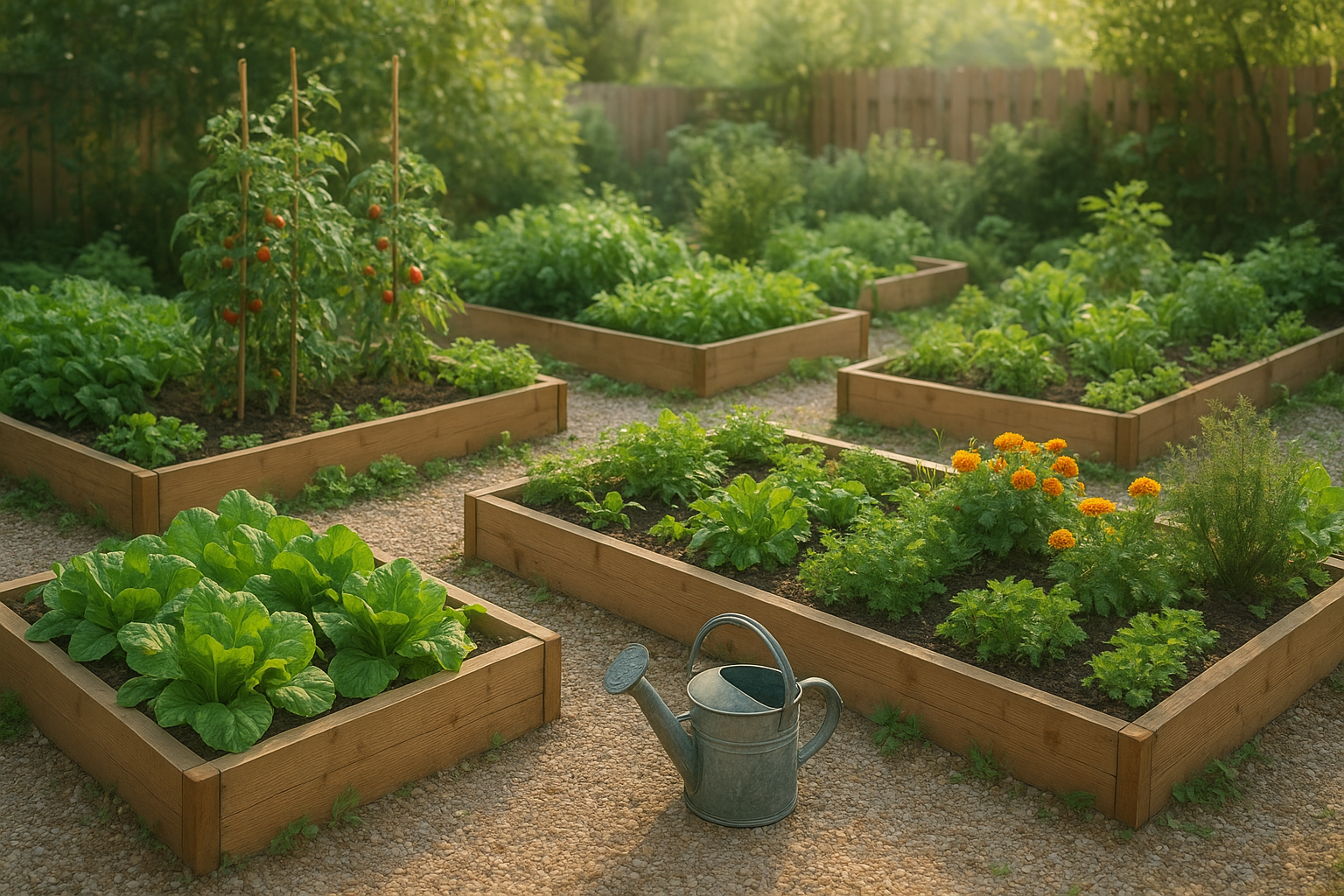
The prettiest kitchen gardens usually share one thing in common: clear paths. Instead of cramming beds together, leave enough room to move a wheelbarrow, kneel down, water, and harvest without crushing plants.
Simple layout tips:
- Place beds in parallel rows for a classic, organized look.
- Leave paths at least 2 feet wide for foot traffic.
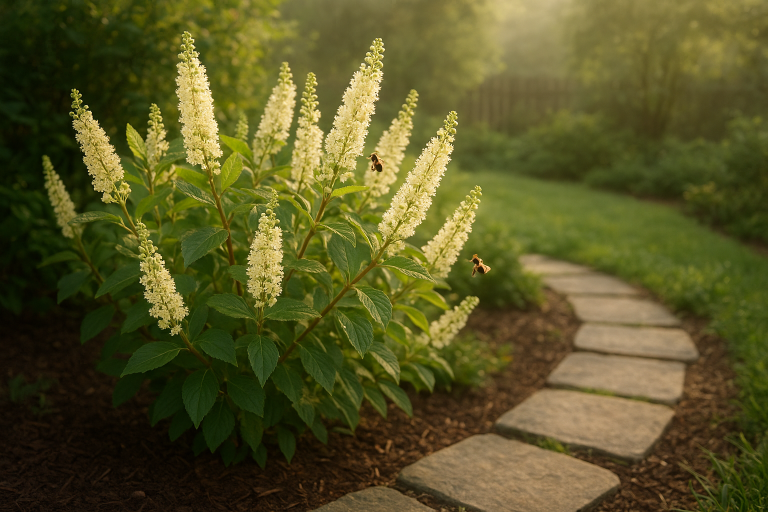
- Use gravel, mulch, wood chips, or stepping stones to define walkways.
- Group beds by use: herbs together, salad crops together, and larger vegetables in another section.
If you have a sunny fence, wall, or side yard, that can be an ideal place for a slim kitchen-garden layout. Even a narrow strip can become productive if the beds are sized correctly and the pathways are kept tidy.
Pick Materials That Fit Your Budget
You do not need an elaborate custom build to get a charming result. The best material is the one that works for your budget, climate, and style.
Budget-friendly options
- Untreated or naturally rot-resistant wood: Affordable and easy to build, though it may need replacement sooner than premium materials.
- Galvanized metal beds: Durable, modern-looking, and often available in ready-made kits.
- Composite boards: More expensive upfront, but low-maintenance and long-lasting.
More polished options
- Cedar: Attractive, naturally resistant to decay, and a favorite for classic garden designs.
- Brick or stone: Excellent for a permanent, high-end look, though the cost and labor are greater.
If you’re working with a limited budget, start with two or three well-placed beds instead of trying to fill the whole yard at once. A small, well-kept garden often looks better than a larger one that feels unfinished.
Don’t Skimp on Soil
Raised beds only perform well when they are filled with good soil. Garden soil is usually too dense on its own, while plain potting mix can be too light and expensive for large beds. The goal is a loose, fertile blend that drains well but still holds moisture.
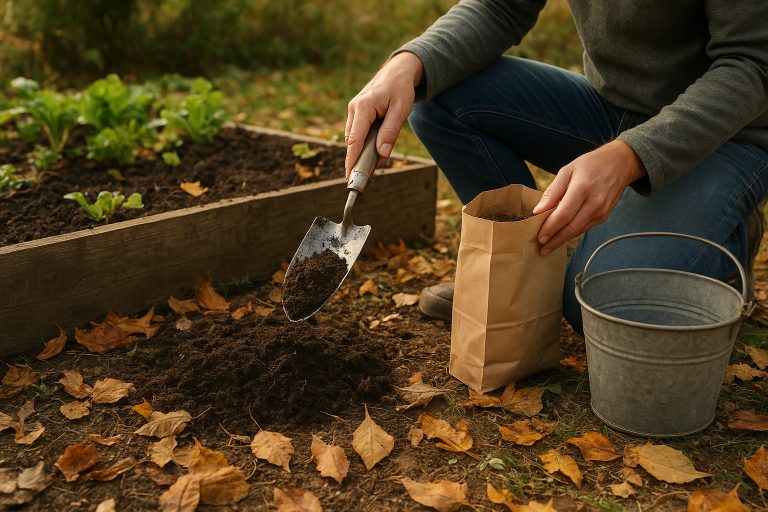
A practical starting point is a mix of topsoil, compost, and an airy amendment such as coconut coir, pine bark fines, or coarse sand, depending on what your plants need. Many gardeners also add a layer of compost every season to refresh nutrients.
Healthy soil should:
- Crumb easily in your hand
- Drain without staying soggy
- Feel rich, not muddy or dusty
- Support earthworms and visible organic matter
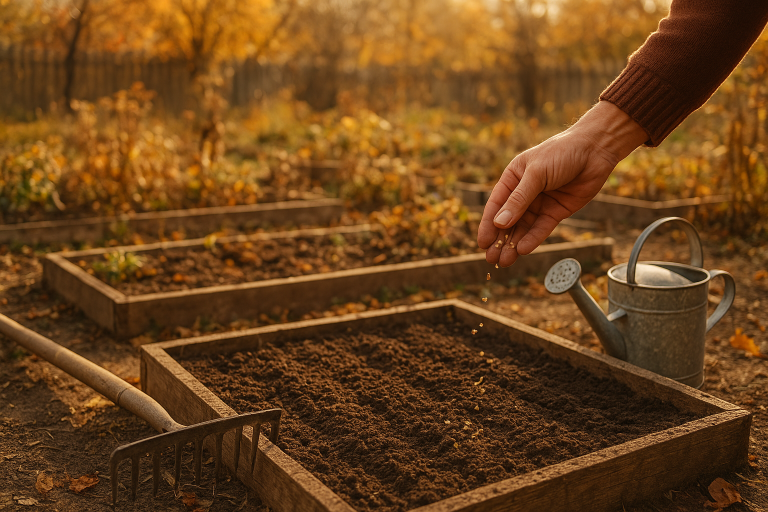
Before planting, remove rocks, weeds, and debris from the bed. Then water the soil thoroughly and let it settle for a day or two before adding plants.
Make Watering Easy, Not a Chore
Many raised-bed gardens fail for one simple reason: inconsistent watering. Because raised beds drain faster than in-ground gardens, they can dry out quickly in warm weather.
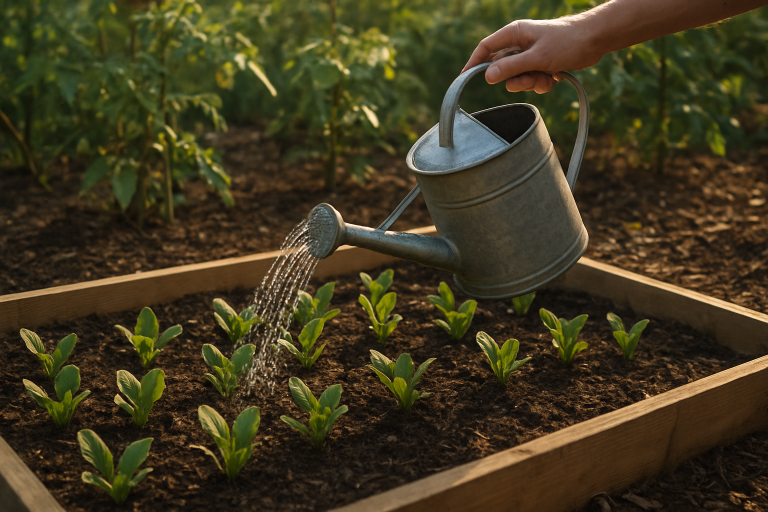
The easiest fix is a drip line or soaker hose. These systems deliver water directly to the root zone and help avoid wetting leaves, which can reduce disease problems. If you prefer to water by hand, a long spout watering can or hose wand helps you reach plants without disturbing the soil.
Helpful watering habits:
- Water deeply rather than giving small daily sprinkles.
- Check moisture with your finger before watering again.
- Water early in the day so foliage dries quickly.
- Mulch the surface to slow evaporation.
Mulch is especially useful in raised beds. A layer of straw, shredded leaves, or fine bark can help keep soil temperature even and reduce watering needs.
Plant for Beauty and Harvest
A productive kitchen garden can still be decorative. In fact, some of the best-looking edible beds combine structure, color, and texture. Pair upright vegetables with low, spreading plants to create a fuller, more balanced look.
Great plants for a raised-bed kitchen garden:
- Herbs: basil, parsley, thyme, chives, rosemary
- Leafy greens: lettuce, kale, arugula, spinach
- Compact vegetables: bush beans, peppers, radishes, beets
- Vining crops with support: cherry tomatoes, cucumbers, peas
- Edging plants: marigolds, alyssum, nasturtiums
Flowering companions do more than look nice. They can help attract pollinators and beneficial insects, and they soften the edges of the beds so the whole garden feels more finished.
How to Keep It Looking Tidy All Season
A raised bed garden stays beautiful when it is easy to maintain. That means making a few good choices early on so the space doesn’t become cluttered later.
- Use sturdy supports for tomatoes, peas, or beans before the plants get big.
- Label what you plant so beds stay organized.
- Harvest often to encourage more growth and prevent overgrown crops.
- Pull weeds early before they take root.
- Refresh mulch and compost as the season goes on.
If you want a garden that feels especially polished, repeat the same bed material, path surface, and planting palette across the space. Repetition makes even a small garden look thoughtfully designed.
A Simple Formula for Any Yard
The easiest way to create a raised bed kitchen garden is to start small and build with intention. Keep the beds narrow enough to reach, choose materials that suit your budget, and focus on good soil and reliable watering. From there, you can add herbs, greens, and compact vegetables that look good and taste even better.
Whether you have a large backyard or just a sunny corner, a few well-designed beds can turn an ordinary outdoor space into a productive part of daily life. And once you start harvesting from your own garden, it’s hard not to want just one more bed.