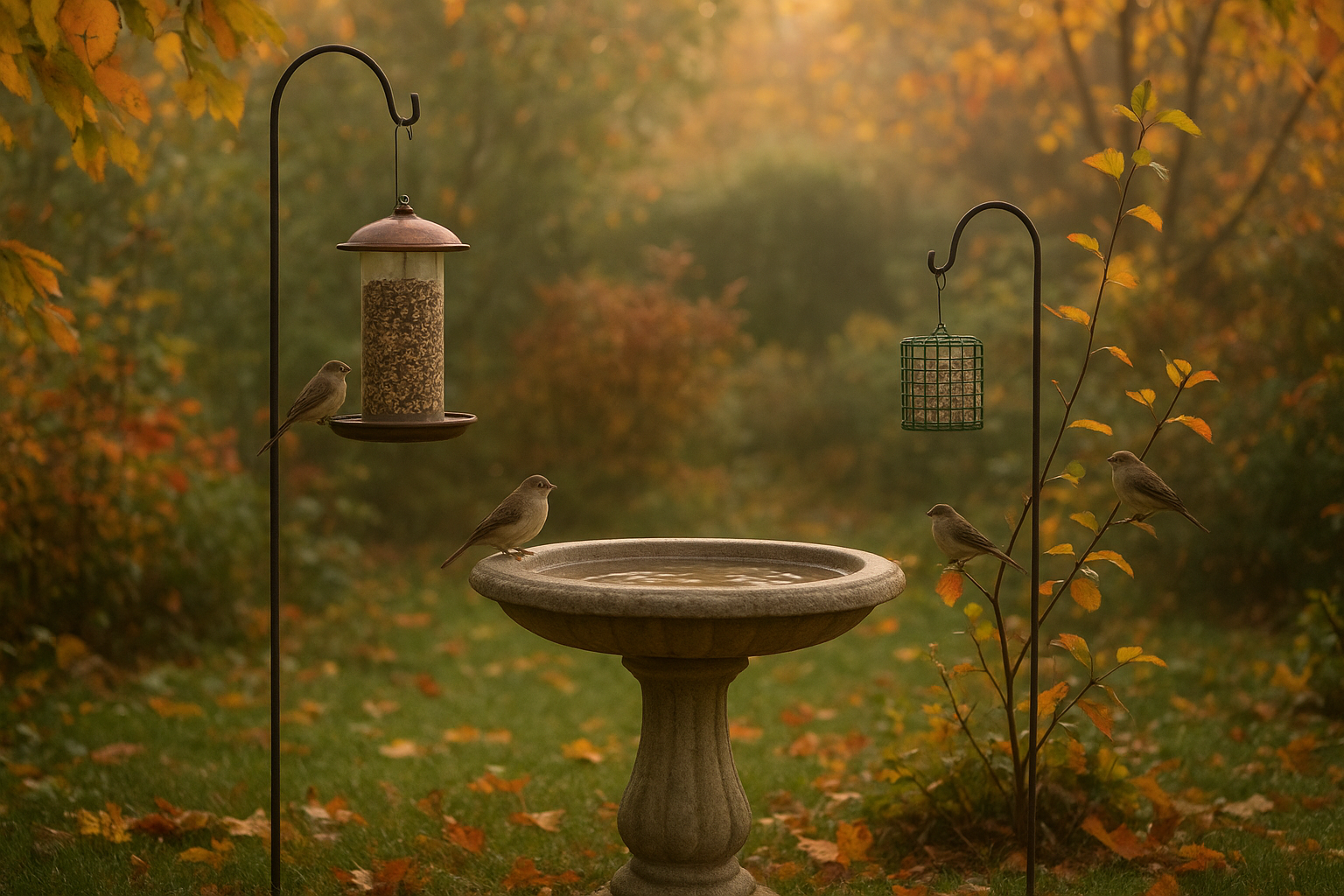
September Backyard Bird Care: 6 Simple Ways to Help
September is a busy month for wild birds, even if your feeder looks a little quieter than it did in summer. Some species are beginning migration, others are molting, and many are simply trying to build up energy before cooler weather arrives. A few simple changes can make your yard a dependable stop for food, water, and shelter.
The good news is that September backyard bird care does not require a big setup or expensive equipment. With a few seasonal tweaks, you can support local birds while also making your yard more lively and enjoyable to watch.
1. Offer Foods That Actually Fuel Birds
Early fall is not the time for scraps from the pantry. Birds need calorie-dense foods that help them maintain energy during migration, feather growth, and temperature changes. Focus on high-quality seed, suet, and protein-rich options rather than bread, crackers, or sugary leftovers.
Good choices for this time of year include:
- Black-oil sunflower seeds for many songbirds
- Suet for woodpeckers, nuthatches, chickadees, and wrens
- Peanuts, especially shelled or crushed for easier access
- Dried mealworms for bluebirds, chickadees, and other insect-eaters
If you want to make feeding even simpler, use a mix designed for wild birds rather than a generic seed blend with lots of filler. Birds often toss aside milo, cracked corn, and oats if better food is available, which can leave a mess on the ground and attract rodents.
Extra tip: Keep feeders varied
Different birds prefer different setups. Tube feeders usually suit small seed-eaters, while platform feeders are handy for larger birds or species that prefer an open landing area. A suet cage can add another food source without taking much space.
2. Keep Fresh Water Available Every Day
Water becomes especially important in September because birds still need to drink and bathe, even when natural sources are shrinking. A clean birdbath can be just as attractive as a feeder, and in some yards it may draw more visitors than seed alone.
Set out a shallow bath with gently sloped edges if possible. Birds feel safer in water that is easy to enter and leave. Change the water often, scrub the basin regularly, and refill it with fresh water before it gets cloudy or slimy.
Water tips that make a real difference:
- Use shallow water no deeper than a couple of inches
- Rinse and refill every day or two
- Place the bath near cover like shrubs, so birds can escape quickly if needed
- Add a dripper or fountain if you want extra movement, which many birds notice right away
If you live in a dry climate, water may be even more valuable than food. Birds can cover large areas in search of safe drinking spots, so a dependable birdbath can become a major stop on their route.
3. Clean Feeders Before Fall Traffic Picks Up
A feeder full of seed is only helpful if it stays clean. In damp or warm weather, old seed can mold, clump, or grow bacteria that may spread illness among birds. September is a great time to scrub feeders thoroughly before migration activity increases.
Take feeders apart if you can, then wash them with hot soapy water. Rinse well and let them dry completely before refilling. For a deeper clean, use a diluted bleach solution made for outdoor cleaning, then rinse very thoroughly. Always follow the product label directions and let everything air out before reuse.
To reduce mess and spoilage:
- Empty seed that looks wet, dusty, or spoiled
- Keep feeders under some shelter if possible
- Rotate feeders so one can dry while another is in use
- Sweep up excess seed beneath feeders to discourage pests
Clean feeders are better for bird health and often attract more visitors because the food stays fresh longer.
4. Add Shelter Birds Can Use Quickly
In fall, birds are not just looking for food. They also need safe places to rest, hide, and wait out wind or sudden weather changes. Your yard can help by offering layered shelter through shrubs, trees, brush piles, or native plantings that keep their cover close to feeding areas.
You do not need to create a complicated wildlife habitat to make a difference. Even a small patch of dense shrubs or a stack of trimmed branches in a quiet corner can provide valuable protection. If you have ornamental grasses or seed heads left standing, those can also serve as both shelter and food.
Helpful shelter ideas include:
- Evergreen shrubs for year-round cover
- Native grasses and seed heads left in place through fall
- Brush piles made from yard trimmings in a low-traffic spot
- Hedges or layered plantings that create multiple hiding levels
A yard that feels safe is more likely to become a regular stop, especially for birds that are moving through unfamiliar territory.
5. Plant With Fall Birds in Mind
September is a smart month to think ahead. While migration is happening now, the plants you choose this season can help birds later in fall and even through winter. Native plants are especially valuable because they produce seeds, berries, and insects that birds naturally rely on.
Look for plants that provide food well into the season, such as:
- Coneflowers
- Sunflowers
- Goldenrod
- Native grasses
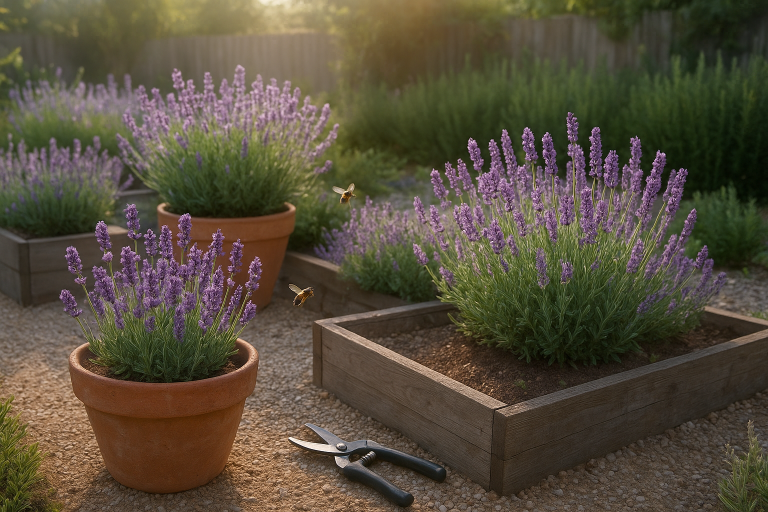
- Berry-producing shrubs suited to your region
Leave seed heads standing when possible instead of cutting everything back right away. Many birds will happily feed on those dry stalks long after the blooms are gone.
If you are reworking a bed, consider planting in layers: tall shrubs or small trees at the back, perennials in the middle, and low ground cover in front. That structure gives birds cover and foraging opportunities at different heights.
6. Make Your Yard Safer for Visiting Birds
A welcoming yard is also a safe one. As birds move through in greater numbers, small hazards can become more important. A little prevention goes a long way.
Start with the biggest concern: cats. Keep pet cats indoors, and if you have outdoor cats in the neighborhood, place feeders and birdbaths in areas that are hard for cats to hide near. Birds need clear sightlines to feel secure.
Other safety steps include:
- Use window decals or screens to reduce collisions
- Keep feeders close enough to cover but not so close that predators can ambush birds
- Check for tangled netting or loose strings that could trap feet or wings
- Avoid pesticides that reduce the insects birds need or poison the food chain
Good bird care is not only about attracting more birds; it is about making your yard a place they can use confidently and repeatedly.
A Simple September Bird Care Routine
If you like having a plan, use this easy weekly checklist during early fall:
- Refill feeders with fresh, high-energy food
- Change birdbath water and scrub the basin as needed
- Check feeders for clumps, mold, or wet seed
- Watch for signs of bird traffic and adjust feeder placement
- Leave some seed heads and shelter plants in place
Even a few minutes of attention each week can make your yard more useful to local and migrating birds. When natural food sources shift and weather becomes less predictable, consistency matters.
Enjoy the Visitors You Help Support
September can be one of the most rewarding months for backyard birdwatching. You may see familiar species passing through, notice young birds learning the ropes, or suddenly spot species you do not usually get in warmer months. By offering the basics—food, water, shelter, and safety—you give birds a better chance to rest and refuel.
And as a bonus, your garden gets a little more life and movement right when summer starts to fade. With just a few practical changes, September backyard bird care becomes an easy seasonal habit that benefits both wildlife and your outdoor space.