7 Unusual Flowers to Plant in September for Next Spring
September is one of the best months to give your garden a fresh start without the pressure of summer heat. The soil is still warm, rain is often more reliable, and many perennial flowers have time to settle in before winter.
If you want a border that looks a little less expected next year, early fall is a smart time to try some unusual bloomers that bring shape, color, and pollinators to the garden.
Why September planting works so well
For many perennials, the goal in autumn is root growth, not top growth. That means plants can spend the cooler months building strong roots instead of using energy to produce lots of leaves and flowers right away.
When planted in September, hardy perennials often have an easier transition than spring-planted stock because temperatures are gentler and watering needs are usually lower. The result is a stronger plant that is better prepared to bloom beautifully the following season.
Before you plant, check your local frost date and your USDA hardiness zone. September planting is ideal in many areas, but the best timing depends on your climate, your soil, and whether you are planting nursery-grown plants or starting from seed.
7 unusual flowers worth planting in September
These flowers are not necessarily rare, but they are less common in average home gardens. Each one brings a different texture or habit, which can make your borders feel more layered and interesting.
1. Blue mistflower
Blue mistflower has airy clusters of fuzzy blue-purple blooms that resemble a soft cloud above the foliage. It is a North American native perennial and a real favorite with butterflies and other pollinators.
This plant shines late in the season, which makes it especially useful when many summer flowers are fading. It is a great choice if you want to extend color into fall while supporting wildlife.
Planting tip: Give it full sun to partial shade and moist, well-drained soil. In hotter regions, a little afternoon shade can help keep it looking fresh.
2. Red hot poker
Red hot poker, also called torch lily, is known for its dramatic upright flower spikes in shades of red, orange, yellow, or a striking mix of all three. It adds strong vertical interest and looks especially good in modern or drought-tolerant gardens.
September is a useful planting window for established potted plants in mild climates, since the roots can settle in before winter.
Planting tip: Choose a sunny site with sharp drainage. This plant dislikes soggy soil, especially in winter.
3. Japanese anemone
Japanese anemones bring graceful, poppy-like blooms on tall stems in late summer and fall. Their petals are often white or pale pink, which gives the border a soft, elegant look when many other flowers are winding down.
They are especially helpful if you want a perennial that can brighten part shade and bridge the gap between summer and autumn.
Planting tip: Give them room to spread. They can become generous in time, so place them where they will not crowd smaller plants.
4. Sea holly
Sea holly is a bold choice with spiky stems, steel-blue coloring, and architectural flower heads. It has a dry, sculptural look that pairs well with ornamental grasses and other textural plants.
Although it can look delicate, sea holly is usually drought tolerant once established and is excellent for cutting and drying.
Planting tip: Plant in full sun and lean, well-drained soil. Rich soil can make it flop, so do not over-fertilize.
5. Helenium
Helenium, sometimes called sneezeweed, produces daisy-like blooms in warm shades of gold, copper, orange, and red. It is a terrific flower for bringing late-season energy to the garden.
This perennial can make a border feel brighter and fuller just when the landscape starts to soften into autumn.
Planting tip: Keep the soil evenly moist and pinch young growth in spring if you want a bushier plant with more flowers.
6. Love-in-a-mist
Love-in-a-mist is a charming annual with delicate, starry flowers surrounded by fine, feathery foliage. The real appeal is the combination of bloom and texture, which gives it a whimsical, almost cottage-garden feel.
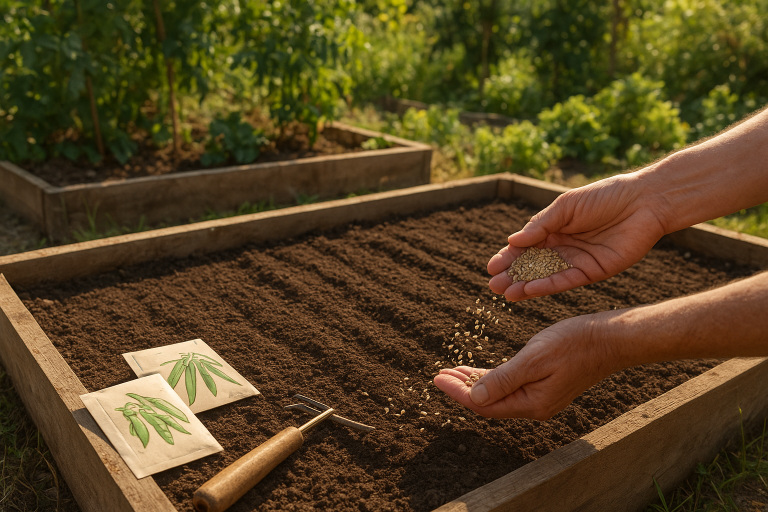
September sowing works well in warmer climates where winters are mild, and it can also be direct-sown in spring in cooler areas. If you are planting now, this can be a lovely option for self-sowing and naturalizing.
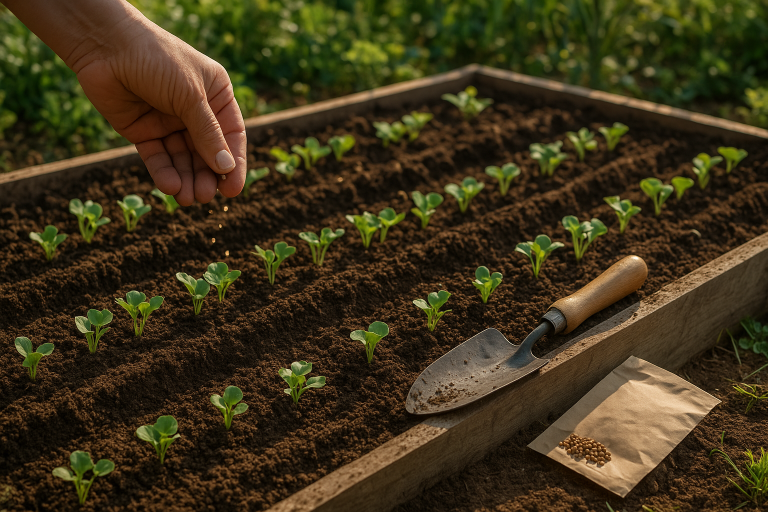
Planting tip: Sow directly where you want it to grow, since it does not always enjoy transplanting.
7. Balloon flower
Balloon flower gets its name from the plump buds that swell before opening into star-shaped blooms. It is a fun plant for families and a useful perennial for adding reliable summer color with a slightly unusual twist.
Once established, balloon flower is low fuss and long-lived, making it a good investment for a perennial bed or mixed border.
Planting tip: It prefers full sun to light shade and soil that drains well but does not dry out completely.
How to plant September flowers for the best results
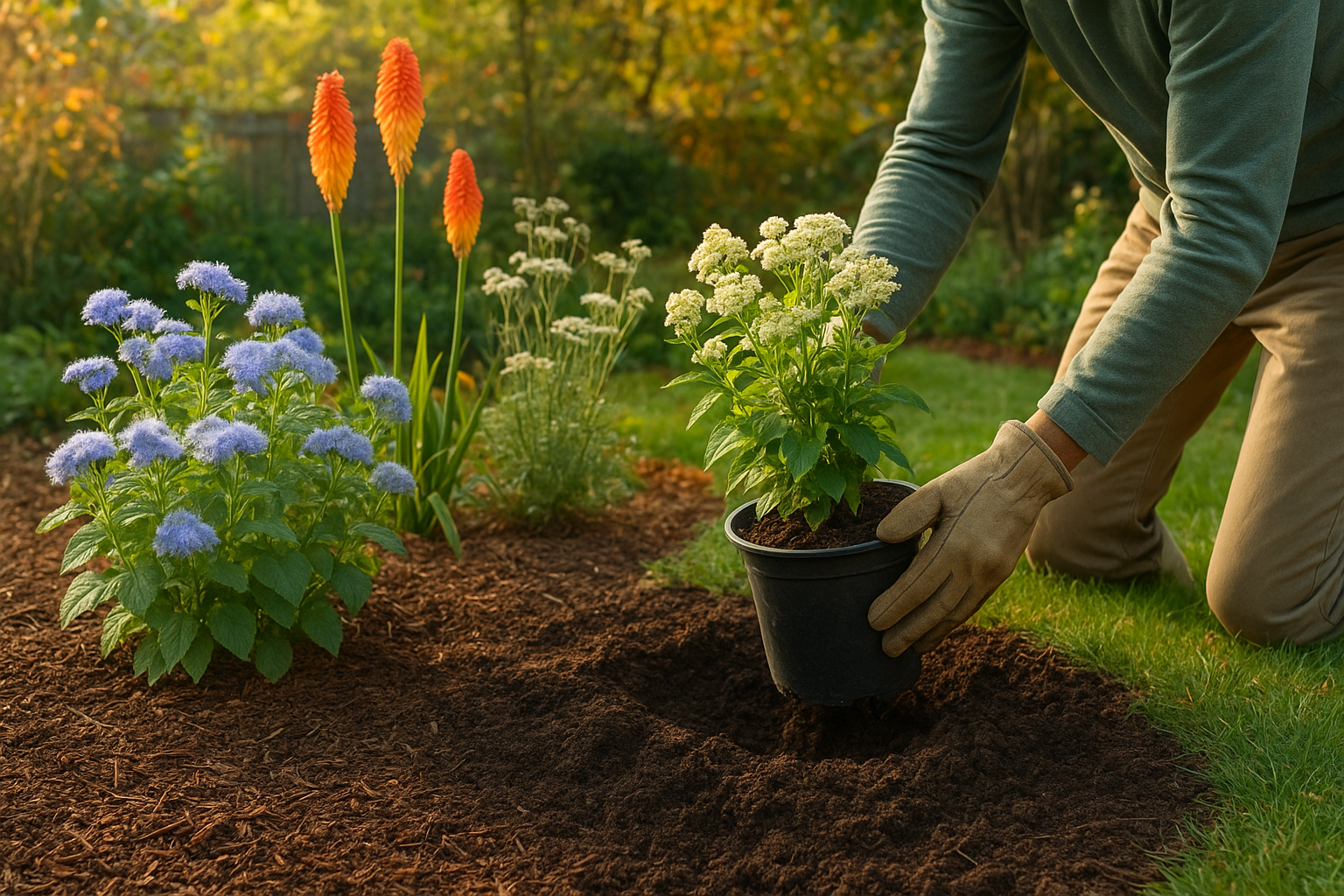
- Prepare the soil first. Remove weeds, loosen compacted areas, and work in compost if your soil is thin or tired.
- Water the plant before planting. A well-hydrated root ball settles into the ground more easily.
- Dig the right-sized hole. Make it about twice as wide as the root ball, but no deeper.
- Plant at the same depth. The crown should sit level with the surrounding soil unless the plant label says otherwise.
- Water thoroughly. Soak the area well after planting so soil settles around the roots.
- Mulch lightly. A thin layer of mulch helps conserve moisture and reduce weeds, but keep it away from stems.
Design ideas for a more interesting border
One of the best ways to use unusual flowers is to mix them with familiar plants rather than replacing everything at once. That creates balance and makes the unusual choices stand out even more.
- Pair spiky flowers with soft ones. For example, sea holly looks striking next to ornamental grasses or rounded daisies.
- Use height changes. Red hot poker and Japanese anemone add vertical movement, while blue mistflower softens the edges.
- Repeat colors. A few blue or orange blooms echoed through the border help the space feel intentional.
- Think about season length. Choose at least one late bloomer so your garden still has interest in September and October.
Common mistakes to avoid
Even hardy perennials need the right start. A few simple mistakes can make fall planting less successful than it should be.
- Planting too late. If the ground is cold or frozen soon after planting, roots will not have enough time to establish.
- Overwatering. Autumn plantings need moisture, but soggy soil can lead to root rot.
- Ignoring drainage. Many unusual flowers, especially Mediterranean-style plants like sea holly and red hot poker, dislike wet feet.
- Choosing the wrong light level. Sun-loving plants can struggle in shade, and shade lovers may scorch in all-day heat.
A better-looking garden starts this month
September is a practical time to plant with next year in mind. By choosing a few unusual flowers to plant in September, you can build a garden that feels more personal, more colorful, and more inviting to pollinators.
Start with one or two new plants this season, then see how they settle in. By next year, you may be surprised by how much difference a few uncommon blooms can make.