7 Small Garden Design Hacks That Make a Big Difference
If your garden feels a little patchy, crowded, or unfinished, the problem may not be the plants themselves—it may be the way they’re arranged. A few simple design habits can make even a tiny border look more polished, balanced, and inviting without requiring a full redesign.
These small garden design hacks are easy to use whether you have a front-yard bed, a narrow side yard, or a modest patio planting area. The goal is not perfection. It’s to create a garden that looks fuller, works harder, and feels good to spend time in.
1. Use Odd Numbers for a More Natural Look
When you’re planting flowers, shrubs, or containers, odd numbers usually look softer and more natural than even ones. Three plants tend to feel more relaxed than two, and five often looks better than four. That’s because odd-number groupings break up symmetry just enough to feel less stiff.
This doesn’t mean every plant has to come in a trio. It simply means that when you have room for a small grouping, try planting in threes or fives instead of twos or fours. In a tiny bed, even one extra plant can change the whole look.
- Use 3 of the same perennial in a small border.
- Plant 5 herbs in a long window box.
- Repeat 3 container plants around a patio for a cohesive feel.
2. Repeat the Same Plants for Visual Rhythm
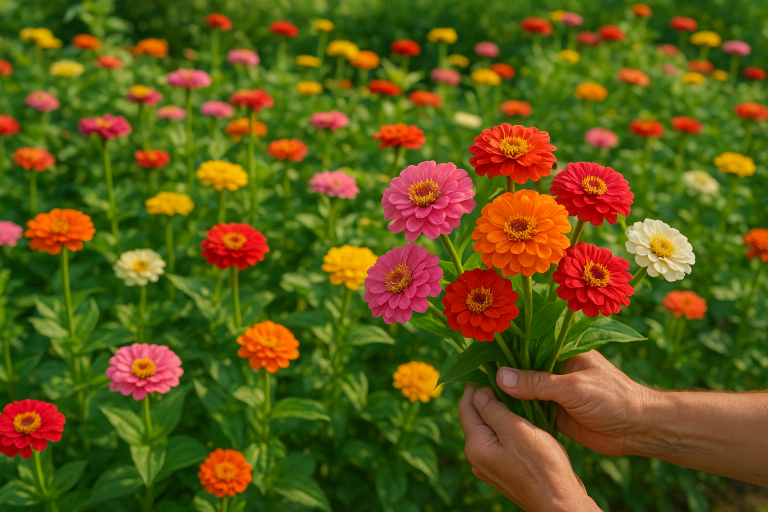
One of the quickest ways to make a garden feel intentional is repetition. Instead of buying one of everything that catches your eye, choose a few key plants and repeat them throughout the space. That repeated pattern gives the eye somewhere to rest and makes the garden feel larger and more organized.
Think of your garden like a playlist: a few familiar notes create the melody. Repeating a favorite grass, a reliable flowering perennial, or a small evergreen shrub can tie the whole design together.
How to repeat plants without looking boring
- Place the same plant at both ends of a bed.
- Echo a color with different flower shapes.
- Repeat texture as well as color, such as spiky foliage with rounded blooms.
If you’re unsure where to start, pick one “anchor” plant for each bed and use it two or three times. It’s an easy way to make a new garden feel planned rather than random.
3. Plant in Drifts Instead of Single Dots
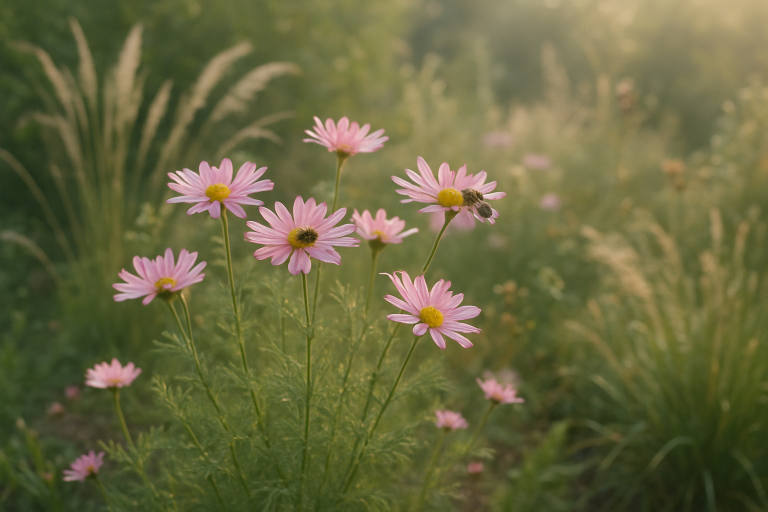
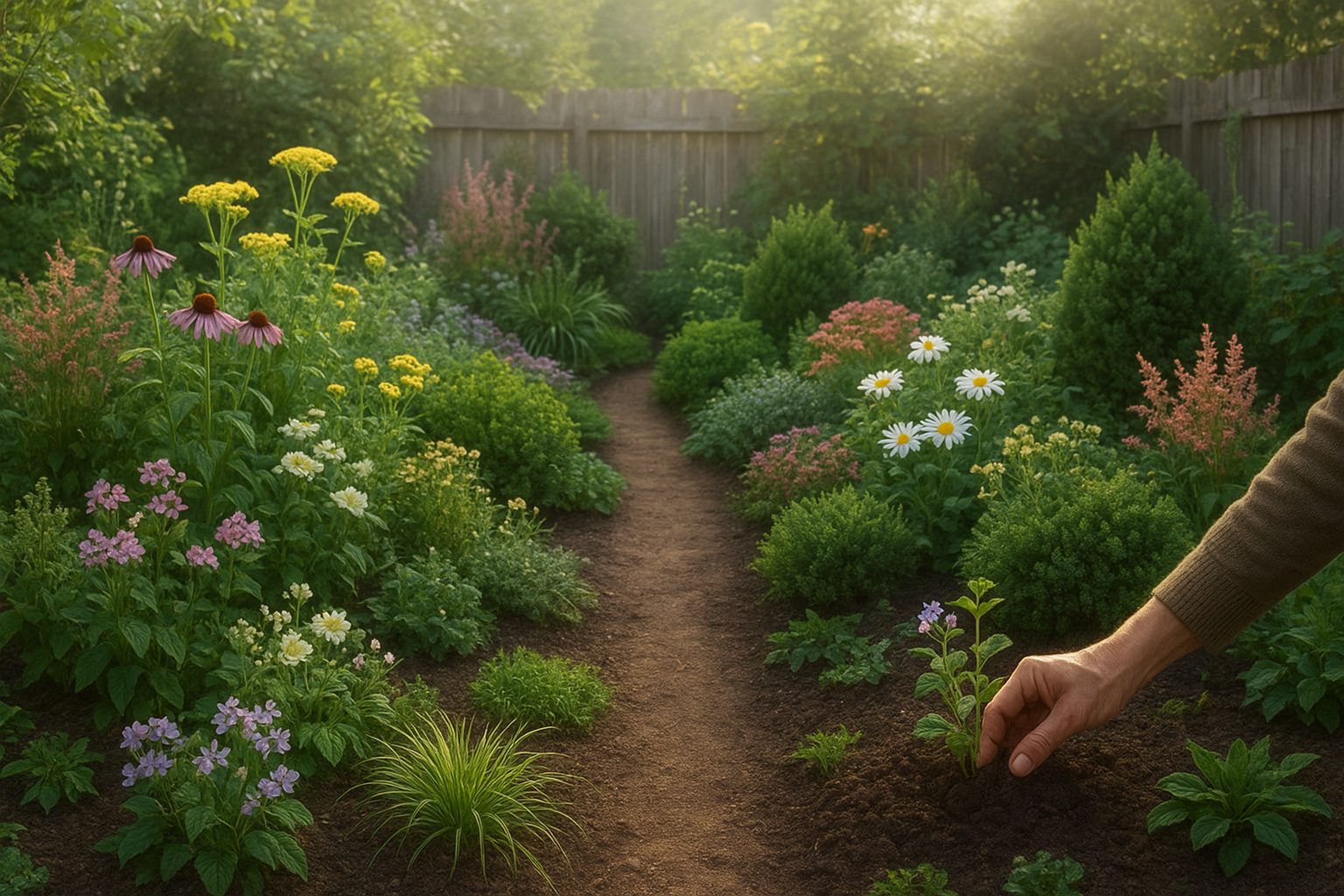
Scattered single plants often look accidental in a small garden. Clusters, or drifts, look much more natural. When the same plant appears in a loose group, it reads as a deliberate design choice rather than a collection of leftovers.
This approach works especially well with flowering perennials, ornamental grasses, and groundcovers. Let the plants gently overlap as they mature, so they create movement and softness along the edge of a bed.
For best results, keep the drift simple: one plant type per drift, then repeat the drift elsewhere in the garden. If you mix too many species in one small patch, the effect can become cluttered instead of calm.
Good candidates for drifts
- Salvia
- Coreopsis
- Astilbe
- Heuchera
- Lavender
4. Layer by Height From Front to Back
Small gardens can still have depth. One of the easiest ways to create that feeling is by layering plants by height: low-growing plants in front, medium-height plants in the middle, and taller plants toward the back.
This simple structure keeps the view open and helps every plant get noticed. It also prevents shorter plants from getting hidden behind taller ones, which is a common problem in compact spaces.
A layered bed usually includes:
- Front layer: edging plants, herbs, or low groundcovers
- Middle layer: perennials or compact shrubs
- Back layer: taller shrubs, ornamental grasses, or climbers
If your garden only has one narrow bed, use layers vertically. A trellis, obelisk, or wall-mounted support can add height without taking up much ground space.
5. Keep Evergreen Structure in the Mix
It’s easy to focus on flowers and forget what the garden looks like in winter or during the gaps between blooms. Evergreen structure solves that problem. Shrubs, small conifers, and other year-round plants give your garden shape when perennials are cut back or not yet in bloom.
This is especially helpful in smaller gardens, where empty spaces can feel bigger than they really are. A few evergreen plants act like the bones of the garden, holding the design together through every season.
Look for evergreen plants that stay compact and fit the scale of your space. In a small garden, oversized shrubs can quickly take over, so choose varieties that naturally stay tidy or respond well to pruning.
Why evergreen structure matters
- It keeps beds from looking bare in winter.
- It gives flower-heavy borders a sense of order.
- It makes seasonal planting easier because the framework is already there.
6. Edit Ruthlessly and Give Plants Room to Grow
One of the hardest skills in gardening is knowing when to stop. Small gardens often look messy not because there aren’t enough plants, but because there are too many competing for attention. Editing means removing extras, thinning out weak combinations, and leaving breathing room around the best plants.
Good spacing is not wasted space. Plants need air flow, light, and room to reach their mature size. A bed that feels slightly open in spring often looks much better by midsummer than one packed tightly from the start.
Before planting, ask yourself:
- Will this plant still fit in two years?
- Does it add color, structure, or texture?
- Is it repeating something already in the bed?
If the answer is no, leave it out. A simpler planting plan usually looks more expensive and is far easier to maintain.
7. Use Containers to Fill Gaps and Change the View
Containers are one of the best tools for small garden design because they let you adjust the scene without digging up the bed. A pot can soften a corner, brighten a patio, or add height where the ground planting is low.
They’re also useful for seasonal updates. If a border looks thin in spring, a pot of tulips, herbs, or annuals can carry the design until the perennials fill out. Later in the year, you can swap the container planting for mums, ornamental kale, or a small evergreen arrangement.
To make containers work well in a small garden, match them to the rest of the space. Use a similar pot color, repeat a plant from the border, or choose a container shape that complements the garden style.
Easy container ideas
- A single tall pot with a thriller, filler, and spiller
- Two matching pots flanking a path or doorway
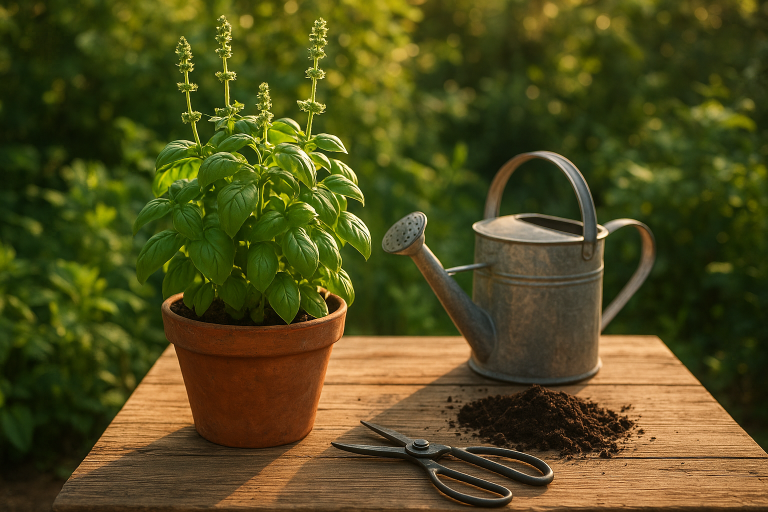
- A mixed herb container near the kitchen door
Practical Tips to Make These Hacks Work
These design ideas are simple, but they work best when paired with a little planning. Before planting, sketch your space or lay plants out on the ground so you can see how the shapes interact. Step back often. A small garden can change dramatically from just a few feet away.
It also helps to think in terms of maintenance. Choose plants that suit your light, soil, and watering habits so the design stays attractive after the novelty wears off. A beautiful layout is much easier to keep if the plants are happy where they’re growing.
- Group plants with similar sun and water needs.
- Limit your palette to a few repeating colors.
- Mix flowers with foliage plants for interest beyond bloom time.
- Leave paths and access points clear for easy care.
The Big Takeaway
You do not need more space to make a small garden feel special. You need a few smart design habits: plant in odd numbers, repeat key plants, create drifts, build layers, keep evergreen structure, edit tightly, and use containers where they’ll help the composition.
Used together, these small garden design hacks can turn a cramped or uneven space into something that feels fuller, calmer, and far more intentional. Start with one or two changes this season, and you’ll likely notice the difference right away.