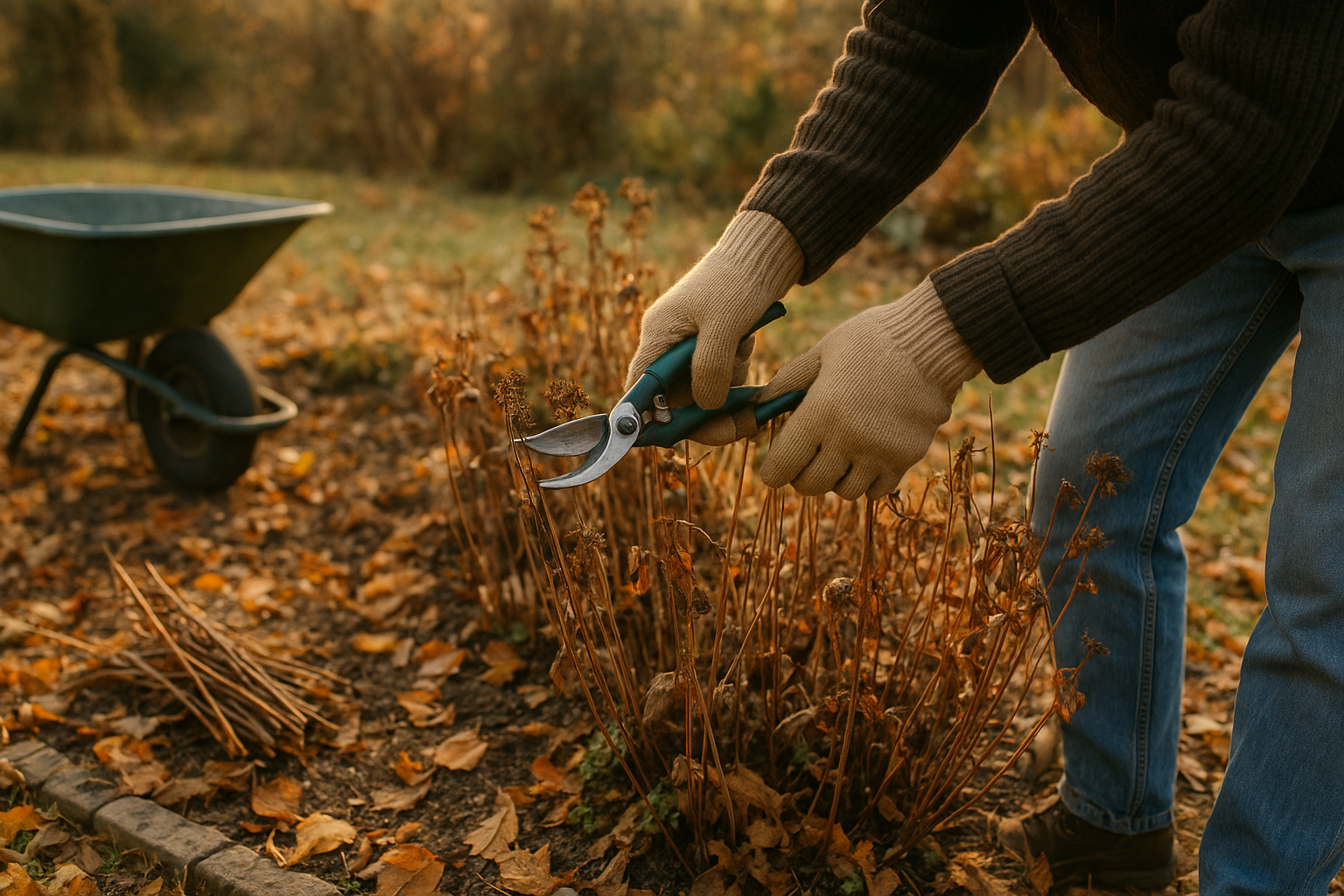
7 Plants to Prune Before Winter Hits
As the garden winds down, it can be tempting to put the pruners away for the season. But for some plants, a little cleanup before winter makes a big difference in how healthy and tidy they look next spring. The trick is knowing which plants benefit from a cut and which ones should be left alone until warmer weather returns.
Late-fall pruning is mostly about timing, sanitation, and plant health. A smart trim can reduce disease, remove broken growth, and prevent plants from becoming tangled or flopping under snow. Here are seven common garden plants to prune before winter, plus a few rules that will help you avoid doing more harm than good.
Before you start: a few pruning rules for fall
Good pruning begins with good habits. Sharp, clean tools make smooth cuts that heal more easily, and they also help prevent the spread of disease from plant to plant.
- Use clean pruners or loppers. Wipe blades with rubbing alcohol between plants if you’ve been cutting anything diseased.
- Remove only what is necessary. Dead, damaged, diseased, or badly flopped stems are always fair game.
- Don’t cut into the crown. For perennials, leave a short stub above the crown instead of shaving stems flush to the ground.
- Skip pruning tender new growth. If a plant may push out fresh shoots that would be damaged by frost, wait.
- Bag diseased debris. Don’t toss infected leaves or stems into the compost pile.
If you’re unsure, remember this simple rule: when in doubt, prune lightly or wait until spring. Not every plant needs a haircut before winter.
1. Peonies
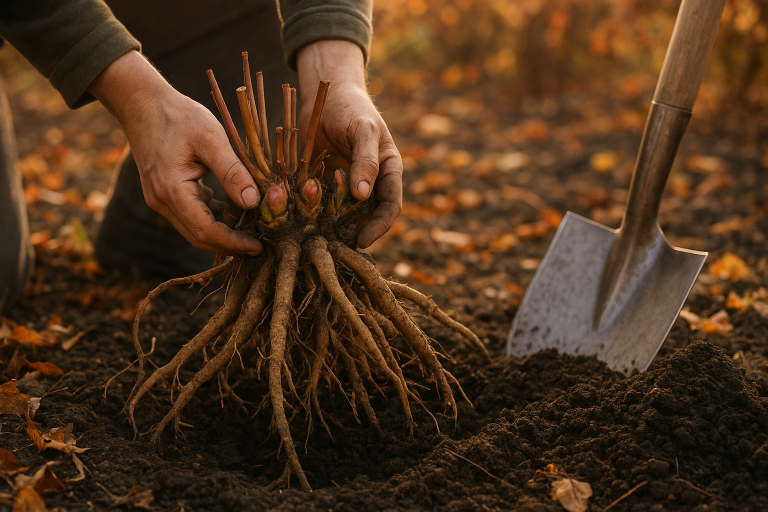
Peonies are one of the best candidates for late-fall cleanup. Their foliage naturally dies back after a hard frost, and leaving it in place can give fungal problems a place to overwinter. If the leaves have turned brown or yellow, it’s time to cut them off.
Trim stems down near the base, but leave a small bit above the crown so you don’t injure the plant. If peony foliage showed black spots, powdery mildew, or other signs of disease, remove it promptly and dispose of it in the trash rather than composting it.
2. Hostas
Hostas usually collapse after the first hard frost, turning soft and papery. Once the leaves are fully spent, cut them back close to the ground. This keeps beds neater and removes hiding places for slugs, pests, and disease.
There’s no rush to cut hostas while the leaves are still green, though. Green foliage is still feeding the plant, so let it work until cold weather finishes the job. In many gardens, hosta cleanup is one of the easiest tasks of the season because the plant clearly tells you when it’s done.
3. Bearded iris
Bearded iris plants often look messy by the end of the season, especially if leaf spots or iris borers have been a problem. Fall is a good time to remove old, dried leaves and any damaged foliage. A tidy plant is less likely to harbor pests over winter.
When trimming iris leaves, cut them back to a manageable height rather than removing every fan entirely. Healthy foliage can still help the plant store energy, but you don’t want long, floppy leaves lying across the bed all winter. If you see signs of rot or borers, cut out the affected material and discard it.
4. Daylilies
Daylilies are another perennial that benefits from a seasonal cleanup. Their strappy leaves often turn brown, mushy, or ragged as temperatures drop. Once most of the foliage has declined, cut it back to improve airflow and reduce overwintering problems.
For daylilies, a final trim helps prevent a wet mat of foliage from sitting over the crown all winter. In areas with severe cold, some gardeners leave a little foliage in place until spring for extra protection, but if the leaves are already collapsing, removing them is usually the cleaner option.
5. Raspberries and other cane berries
Fruit-bearing canes are a little different from herbaceous perennials. With raspberries, the exact pruning method depends on the type you grow, but late fall is often a good time for cleanup. Remove obviously dead, weak, or broken canes, and clear out any stems that have finished producing fruit if your variety calls for it.
Tip: If you’re not sure whether your raspberries bear on first-year or second-year canes, identify the variety before making major cuts. Some types should be pruned in fall, while others are better handled in late winter or early spring. Either way, removing diseased or damaged canes now is usually beneficial.
6. Grape vines
Grapevines can become a tangled mass if left unchecked, but major pruning is best timed carefully. In colder climates, a light tidy-up in late fall can help remove dead or broken growth, while heavier pruning is usually saved for dormancy later in winter.
Focus on cleaning up long, whippy shoots, crossing stems, and anything obviously dead. Keep the framework of the vine intact unless you know how your grape variety responds to winter pruning. For fruiting vines, restraint matters; too much cutting at the wrong time can reduce next year’s crop or stress the plant.
7. Overgrown shrubs and hedges
Many deciduous shrubs and hedges can be lightly shaped before winter, especially if they’re blocking a path or look uneven after the growing season. The key is to avoid encouraging a flush of tender new growth that frost could damage.
Instead of shearing everything evenly from the outside, step inside the shrub and remove selected stems at their point of origin. This opens the plant to air and light without creating a hard, formal shell. If the shrub flowers on old wood, avoid major shaping now; those buds may already be set for next year.
What not to prune before winter
Just as important as knowing what to cut is knowing what to leave alone. Some plants do better with pruning in late winter or spring, especially those that flower on old wood or those that need cold weather protection from their own foliage.
- Spring-flowering shrubs may lose next year’s blooms if pruned too late.
- Evergreens usually need only minimal cleanup in fall.
- Plants with healthy green foliage may still be storing energy, so cutting them too early can weaken them.
- Anything vulnerable to frost damage may respond poorly to a fall trim that stimulates new growth.
If a plant still looks active and healthy, it may be better to leave it until the weather settles or until spring. Fall pruning should be targeted, not routine.
How to finish the job well
After pruning, rake up fallen leaves and removed debris so pests and disease have fewer places to hide. If you’ve cut back plants with known fungal issues, don’t leave the trimmings in the garden beds. A clean garden going into winter is easier to manage in spring and gives you a head start on the next growing season.
You don’t need to prune every plant in the yard before frost arrives. But for the right plants, a careful late-fall trim can improve airflow, reduce disease pressure, and keep the garden looking under control through winter. The goal is not to make everything bare; it’s to set the stage for healthier growth when the thaw returns.
When you’re finished, step back and look at the garden with fresh eyes. If it feels cleaner, more open, and less likely to harbor problems through the cold months, you’ve done the job well.