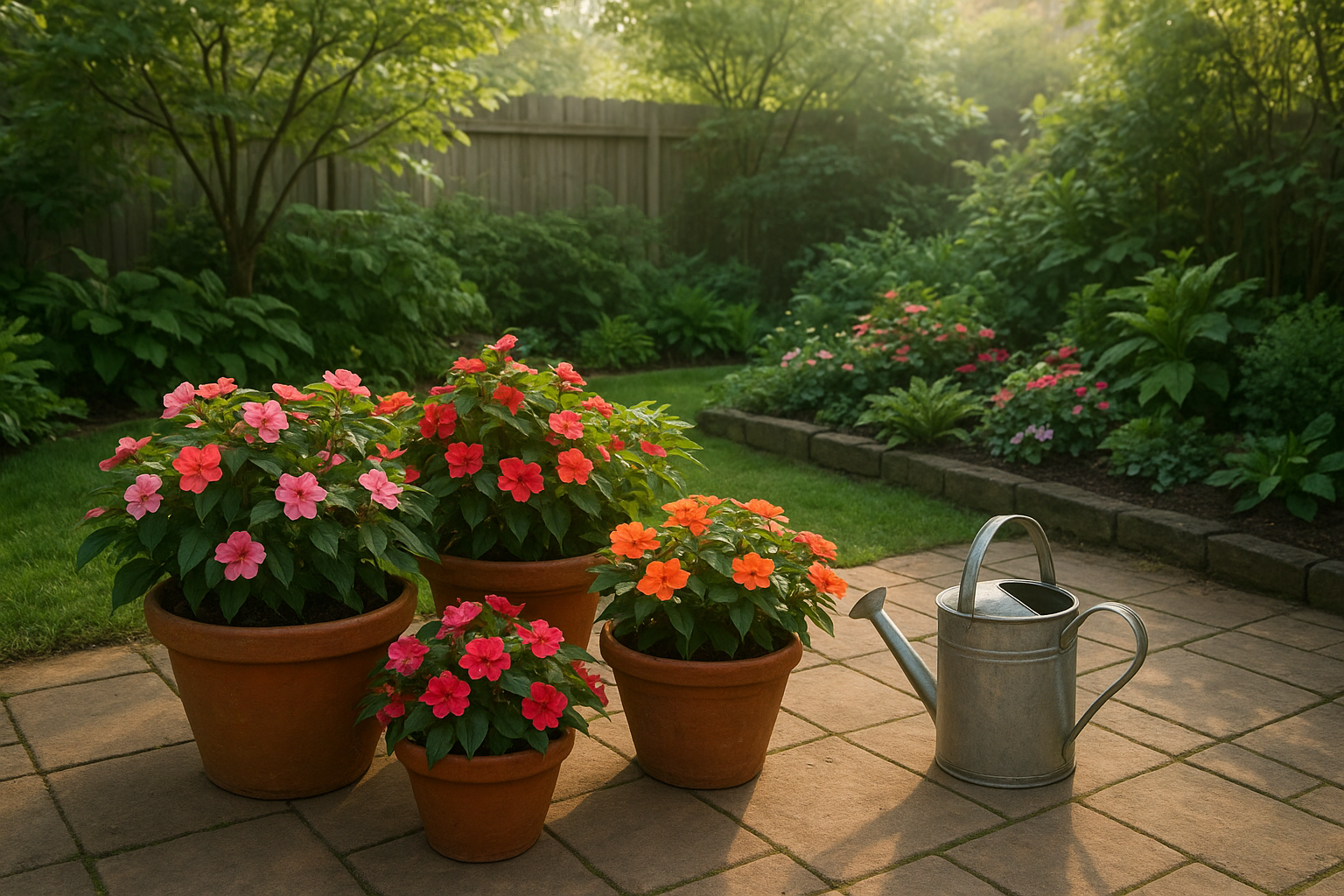
New Guinea Impatiens Care for Lush, Long-Lasting Blooms
New Guinea impatiens are one of the easiest ways to bring bold color to shady spots, porch planters, and mixed containers. With the right balance of light, water, and feeding, these tropical-looking flowers can bloom for months with very little fuss.
If you’ve struggled with flowers that scorch in the sun or sulk in too much shade, New Guinea impatiens may be the perfect fit. They reward consistent care with large, vivid blooms and attractive foliage that fills in beds and pots beautifully.
What makes New Guinea impatiens different?
New Guinea impatiens are not the same as the traditional impatiens many gardeners grew for years. They usually have larger flowers, thicker leaves, and a slightly more sun-tolerant nature. That makes them especially useful in part-shade areas where many flowering annuals struggle.
They still prefer protection from intense afternoon sun, but they can handle brighter conditions than older impatiens varieties. In return, you get steady flowering and a plant that looks full and polished with very little shaping.
Best growing conditions
The secret to successful New Guinea impatiens care is giving them the kind of environment they naturally like: warm temperatures, filtered light, and consistently moist soil. Think of them as plants that want comfort, not extremes.
Light
These plants do best in partial shade or bright, indirect light. Morning sun is usually fine, especially in cooler climates, but harsh afternoon sun can bleach the leaves and wilt the flowers.
If you’re growing them in a container, you can move the pot to follow the light. In the garden, place them where they get a few hours of gentle sun and afternoon protection from trees, fences, or taller plants.
Soil
New Guinea impatiens need soil that holds moisture but still drains well. Heavy, soggy soil can lead to root problems, while dry, sandy soil may cause the plants to wilt quickly.
Before planting in beds, mix in compost to improve both texture and water retention. For containers, use a high-quality potting mix rather than garden soil. A loose, airy mix helps roots grow evenly and keeps the plant from staying too wet.
Temperature
These are warm-weather plants. They grow best once nighttime temperatures stay reliably above 50°F. A light frost can damage them, so wait until cold weather has passed before planting outdoors.
How to plant them successfully
Whether you’re planting in a bed or a container, give each plant room to spread. Overcrowding can reduce airflow and make the foliage stay damp longer, which increases the risk of disease.
For the best results:
- Space plants about 12 to 18 inches apart, depending on the variety.
- Water the root ball well before planting.
- Set plants at the same depth they were growing in their nursery pots.
- Mulch lightly around plants in beds to help keep soil evenly moist.
In containers, choose a pot with drainage holes and enough room for the roots to expand. A cramped pot dries out too quickly and can stress the plant during hot weather.
Watering: the most important step
Consistent moisture is the key to healthy New Guinea impatiens. These plants don’t like to dry out for long, but they also don’t want to sit in waterlogged soil.
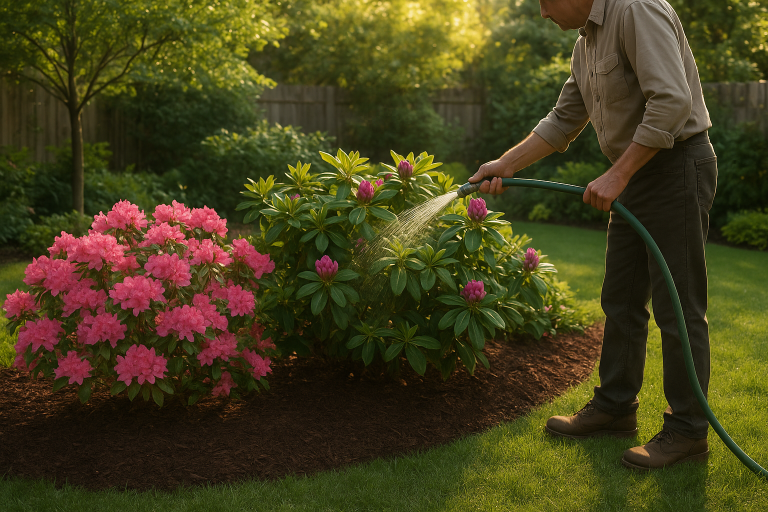
Check the top inch of soil with your finger. If it feels dry, water thoroughly until moisture runs out of the drainage holes or settles into the bed. In warm weather, container plants may need water daily, especially in sunny spots or windy conditions.
Some helpful watering habits include:
- Water early in the day so leaves dry before evening.
- Aim at the base of the plant instead of soaking the foliage.
- Use mulch in beds to slow evaporation.
- Watch hanging baskets closely, since they dry out faster than garden beds.
If the leaves wilt in the heat of the afternoon but perk up by evening, the plant may simply need more frequent watering. If wilting continues even when soil is damp, poor drainage or root stress could be the problem.
Feeding for nonstop blooms
New Guinea impatiens are generous bloomers, and like most flowering plants, they respond well to regular feeding. A slow-release fertilizer mixed into the soil at planting time can provide an excellent base.
After that, use a balanced liquid fertilizer every two to four weeks during the active growing season, following the label directions. Too much fertilizer can encourage leafy growth at the expense of flowers, so avoid overfeeding.
If your plants are in a container and seem to bloom less after a few weeks, they may simply be running low on nutrients. Refreshing the feeding schedule often brings back stronger flowering.
Should you deadhead New Guinea impatiens?
One of the best traits of New Guinea impatiens is that many modern varieties are self-cleaning, which means spent flowers often drop on their own. That makes them lower-maintenance than many other annuals.
Even so, it’s still a good idea to remove faded blooms, yellowing leaves, or damaged stems when you notice them. This keeps the plant looking tidy and helps direct energy toward new growth.
Common problems and how to fix them
Even easy-care plants can run into trouble if conditions aren’t quite right. The good news is that most New Guinea impatiens problems are easy to solve once you know what to look for.
Leaves are scorched or faded
This usually means the plant is getting too much direct sun. Move container plants to a brighter-shade location and provide afternoon protection for garden beds if possible.
Plants wilt often
Wilting can mean the soil is too dry, especially during hot spells. It can also happen if roots are staying too wet and can’t absorb water properly. Check both moisture and drainage before assuming the plant just needs more water.
Few flowers, lots of leaves
Too much shade or too much nitrogen can reduce blooming. Try giving the plant a bit more light and switch to a fertilizer formulated for flowering plants, or use a balanced product more sparingly.
Yellowing leaves
Yellow leaves can point to overwatering, poor drainage, or nutrient deficiency. Let the top layer of soil dry slightly between waterings and make sure the plant isn’t sitting in a saucer of water.
Growing New Guinea impatiens in containers
Containers are one of the easiest ways to grow these flowers because you can control the soil, water, and light more precisely. They’re excellent for shaded porches, patios, and entryways where a pop of color makes a big difference.
For container success:
- Use a pot with drainage holes.
- Fill it with a moisture-retentive potting mix.
- Group with other shade lovers like coleus, ferns, or begonias.
- Water whenever the top inch of soil feels dry.
- Rotate the container if one side gets more light than the other.
Because pots dry out faster than garden beds, container-grown plants usually need the most attention during hot spells. A moisture meter can be useful if you’re not sure when to water.
Can you overwinter them?
In most climates, New Guinea impatiens are grown as annuals and replaced each year. However, if you have a favorite plant in a pot, you can try bringing it indoors before cold weather arrives.
Place it in a bright window with indirect light and reduce watering during winter. The plant may slow down considerably, but it can survive indoors until it’s warm enough to move outside again. Even if it doesn’t bloom heavily indoors, it can be worth saving for its foliage and head start the following season.
Simple care routine to remember
If you want a quick formula for New Guinea impatiens care, keep this in mind: bright shade, evenly moist soil, regular feeding, and good drainage. Those four basics will solve most problems before they start.
With a little attention, these flowers can brighten shady corners, soften container edges, and keep your garden looking cheerful well into fall. They’re a great choice when you want reliable color without a demanding plant schedule.