How to Stop Window Condensation Inside in Winter
When water beads up on the inside of your windows in winter, it is easy to blame the window. But most indoor window condensation is really a sign that warm, moist indoor air is meeting cold glass.
A little fog now and then is common, especially after cooking or showering. Daily puddles on the sill, damp curtains, peeling paint, or musty trim deserve attention because moisture control is the key to preventing mold indoors, according to the EPA. ([epa.gov](https://www.epa.gov/mold/brief-guide-mold-moisture-and-your-home?pfrom=mailchimp&utm_source=openai))
Why Condensation Forms on the Inside of Windows
Indoor condensation happens when moisture in the air turns back into liquid water on a cold surface. In winter, glass is often the coldest surface in the room, especially on older single-pane windows, aluminum frames, or windows with worn seals.
The colder the glass and the more humid the room, the more likely you are to see fog, droplets, or even small pools of water at the bottom of the window. Bathrooms, kitchens, laundry areas, bedrooms with closed doors, and rooms full of houseplants are common trouble spots.
The fix is usually not one magic product. The best approach is to lower excess indoor moisture, improve airflow, warm the glass where you can, and wipe up water before it soaks into wood or drywall.
Start by Measuring Indoor Humidity
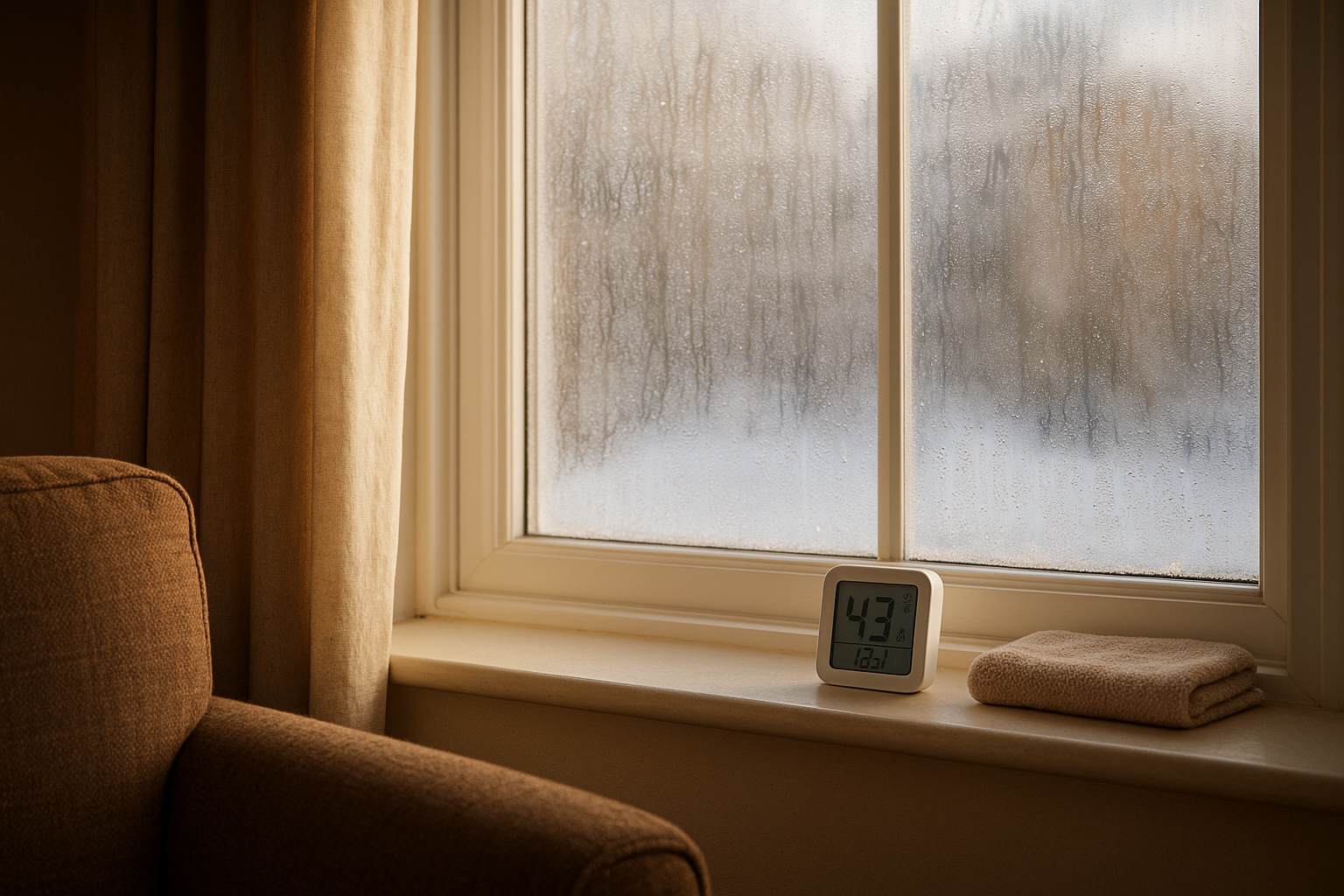
If you want to stop guessing, buy an inexpensive hygrometer. This small humidity meter tells you the relative humidity in the room. Place it near problem windows for a day or two, then check it morning and evening.
The EPA recommends keeping indoor humidity below 60 percent, ideally between 30 and 50 percent when possible. ([epa.gov](https://www.epa.gov/mold/brief-guide-mold-moisture-and-your-home?pfrom=mailchimp&utm_source=openai)) In winter, many homes do better near the lower end of that range because cold glass can still collect condensation even when the air feels comfortable.
As a practical target, try this:
- 30 to 40 percent: often a good winter range for reducing window moisture.
- 40 to 50 percent: comfortable for many homes, but may still fog cold windows.
- Over 50 percent: likely to cause condensation in colder rooms or older windows.
If your hygrometer reads high, focus first on reducing moisture at the source.
Cut Down Everyday Moisture Sources
A normal household adds moisture to the air all day long. Cooking, bathing, drying clothes, boiling water, running a humidifier, and even breathing all contribute. You do not have to stop living in your home, but small habits can make a big difference.
Use exhaust fans longer
Run the bathroom fan during showers and for at least 15 to 20 minutes afterward. In the kitchen, use the range hood when boiling pasta, simmering soup, running a kettle, or washing a large load of dishes by hand. If your range hood vents outdoors, it can remove moisture right where it starts.
Cover pots and simmer less aggressively
Covering pots keeps steam out of the room and often helps food cook more efficiently. If you are simmering stock, beans, or sauce for hours, crack a window briefly or run the vent fan to keep the kitchen from becoming damp.
Check the humidifier setting
Humidifiers are useful when indoor air is painfully dry, but they can easily overdo it. If windows are wet every morning, turn the humidifier down or off for a few days and watch the hygrometer. Clean humidifiers regularly, too, because standing water and dirty reservoirs are not something you want blowing around the house.
Avoid drying laundry indoors
Air-drying clothes inside releases a surprising amount of moisture. If you must dry laundry indoors, keep it in a well-ventilated room, run a fan, and consider a dehumidifier until the clothes are dry.
Improve Airflow Around Cold Windows
Still air makes condensation worse. If heavy curtains, blinds, furniture, or deep window treatments trap warm moist air against cold glass, the window stays wet longer.
Try these quick airflow fixes:
- Open curtains and blinds during the day so air can move across the glass.
- Pull furniture a few inches away from exterior walls and windows.
- Leave bedroom doors open when possible, especially overnight.
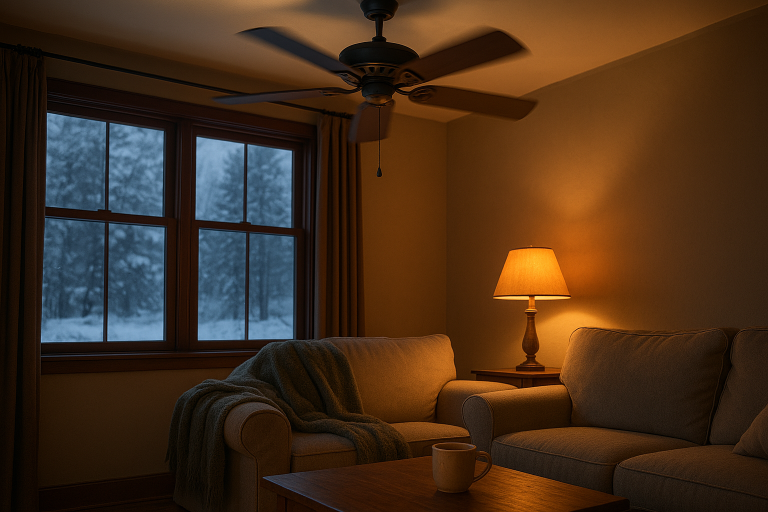
- Run ceiling fans on low in winter mode, or use a small fan in stubborn rooms.
- Keep supply and return vents unblocked by rugs, furniture, or curtains.
If one room is always worse than the rest of the house, compare its humidity reading to nearby rooms. A closed-off bedroom with two sleepers, shut blinds, and no airflow can fog up even when the rest of the house seems fine.
Warm the Glass and Reduce Drafts
Cold glass encourages condensation, so anything that makes the inside surface of the window warmer can help. This does not always mean replacing windows.
First, check for obvious drafts. ENERGY STAR notes that simple air-sealing fixes can include weatherstripping doors and caulking around windows. ([energystar.gov](https://www.energystar.gov/saveathome/seal_insulate?utm_source=openai)) If you feel cold air around the trim, sash, or sill, seal those gaps before assuming the whole window is bad.
For renters or quick winter fixes, clear interior window insulation film can help create an insulating air pocket over drafty windows. It is not glamorous, but when installed neatly, it can reduce cold drafts and make the glass area less chilly.
Thermal curtains can also help at night, but use them carefully. If curtains are closed tight all day, they may trap moisture against the glass. Open them each morning and wipe any water you see.
Wipe Water Before It Damages the Sill
If condensation is already forming, remove it daily while you work on the larger cause. Use an absorbent towel, microfiber cloth, or small squeegee. Pay special attention to the bottom corners of the sash and the seam where the glass meets the frame.
Do not let water sit on painted wood, MDF trim, drywall returns, or caulk lines. Over time, repeated wetting can cause peeling paint, swollen trim, mildew, and rot. If the sill is already soft, stained, or musty, dry it out and inspect it closely before repainting or caulking over the problem.
When to Use a Dehumidifier
A dehumidifier is helpful when humidity stays high even after you change habits. Basements, laundry rooms, tight newer homes, and houses with many people or pets may need mechanical help.
Place the dehumidifier near the dampest area, keep interior doors open if possible, and empty the tank regularly unless it drains to a floor drain or sink. Use your hygrometer as the guide. You are not trying to dry the house to desert levels; you are trying to bring indoor humidity into a safer, more comfortable range.
When Condensation Points to a Bigger Problem
Most indoor window condensation is manageable, but a few signs call for a closer look:
- Water between panes: This usually means a failed insulated glass seal, not indoor humidity.
- Black staining on trim or drywall: Clean small areas promptly and correct the moisture source.
- Condensation on walls, not just glass: This can suggest poor insulation, air leaks, or very high humidity.
- Persistent musty smells: Look for hidden dampness around windows, closets, basements, and exterior walls.
- Large mold areas: If mold covers a large area or keeps returning, consider professional help.
The EPA’s basic guidance is simple: indoor mold growth is controlled by controlling moisture. ([epa.gov](https://www.epa.gov/mold/ten-things-you-should-know-about-mold?utm_source=openai)) If the window keeps getting wet, keep looking for the moisture source instead of only cleaning the surface.
A Simple 20-Minute Window Condensation Routine
If your windows are wet most mornings, try this routine for one week:
- Check the room humidity with a hygrometer.
- Wipe glass, sash corners, and sills dry.
- Open curtains and blinds for airflow.
- Run bathroom and kitchen fans during moisture-heavy tasks.
- Turn down or pause humidifiers.
- Crack interior doors to balance air between rooms.
- Use a dehumidifier if humidity stays above about 50 percent.
By the end of the week, you should see whether the problem is improving. If the glass is drier and humidity is lower, keep going. If nothing changes, look harder for drafts, blocked vents, hidden leaks, or failed window seals.
The Bottom Line
To stop window condensation inside, think in terms of moisture plus cold glass. Lower the indoor humidity, move air around the window, seal obvious drafts, and wipe water before it damages the trim.
You do not need a perfect house to make a big improvement. A $10 to $20 hygrometer, better fan habits, open curtains, and a little daily drying can often turn dripping winter windows back into clear glass.