Budget Holiday Dinner Ideas That Feed a Crowd Cheaply
Holiday hosting can get expensive fast, especially when grocery prices are climbing in every aisle. The good news is that a beautiful, satisfying feast does not have to depend on pricey ingredients or a packed shopping cart.
With a little planning and a few strategic swaps, you can put together a budget holiday dinner that feels generous, festive, and completely doable. The key is to spend where it matters most, skip the items that add cost without adding much to the meal, and choose dishes that stretch well for a crowd.
Start with a simple menu strategy
Before you shop, decide what kind of meal you actually want to serve. A holiday dinner does not need five appetizers, three desserts, and a table full of imported extras. A strong menu usually comes down to one centerpiece protein, two or three hearty sides, a bright vegetable, and one dessert.
If you keep the menu focused, you can buy better-quality basics and still stay within budget. That also makes prep easier, which matters when you are cooking for family or friends and already juggling a full day.
A smart formula for feeding a group
- 1 main protein: turkey, ham, or a pork roast
- 2 starches: mashed potatoes, stuffing, or rolls
- 1-2 vegetables: green beans, carrots, Brussels sprouts, or a salad
- 1 sauce or relish: gravy, cranberry relish, or pan sauce
- 1 dessert: pie, crisp, cobbler, or pudding
Choose affordable proteins that still feel special
The main dish usually takes the biggest bite out of the budget, so this is the best place to be flexible. A whole turkey is often one of the most economical options per serving, especially when you want to feed eight or more people. Bone-in turkey breast can be a good choice too if you want less waste and a shorter cooking time.
Ham is another practical option because it is easy to portion and works well with simple side dishes. Pork loin or pork shoulder can also be budget-friendly if you want something different from the usual roast.
If beef prices are high, skip the roast and save it for another season. Holiday meals feel abundant when the sides are plentiful, so your menu will still look and taste festive without an expensive centerpiece.
How to make a smaller protein go further
- Serve generous sides with the main dish.
- Carve meat into slices instead of large portions.
- Add a gravy or pan sauce to stretch each serving.
- Use leftovers in sandwiches, soups, or casseroles the next day.
Build the menu around seasonal produce
Seasonal fruits and vegetables tend to be easier on the wallet, and they often taste better too. Instead of reaching for out-of-season produce or specialty imports, look for vegetables that are plentiful in fall and early winter.
Fresh or frozen vegetables are often a better buy than canned options when packaging costs are high. Frozen green beans, peas, corn, and mixed vegetables are especially useful because they are already prepped and can be cooked quickly without losing much quality.
For fruit, apples, pears, and citrus are easy to find and work well in both savory and sweet dishes. They can also add freshness to a table that leans heavily on rich foods.
Budget-friendly produce ideas
- Roasted carrots with butter and herbs
- Green beans with garlic and lemon
- Apple salad with celery and walnuts
- Brussels sprouts with a simple vinegar glaze
- Orange segments tossed with pomegranate seeds
Skip the expensive extras that don’t add much
It is easy to get pulled into buying fancy cheeses, specialty crackers, imported sweets, or decorative foods that look nice but do not really improve the meal. If your goal is a practical holiday dinner, those items are often the first place to cut.
Instead of building the menu around expensive add-ons, put your effort into seasoning, texture, and presentation. Homemade gravy, a crisp salad, or warm rolls can make a meal feel complete without pushing the total up too far.
Here are a few swaps that help keep spending in check:
- Choose domestic cheese over imported specialty cheese.
- Use butter, broth, and herbs for flavor instead of pricier prepared sauces.
- Buy plain bread or rolls and season them yourself.
- Make one homemade dessert instead of several store-bought treats.
Pick sides that are cheap, filling, and make-ahead friendly
Sides are where a holiday dinner becomes abundant. Potatoes, bread, rice, beans, and root vegetables all deliver a lot of servings for the money, and many of them can be prepped in advance.
Mashed potatoes are a classic choice because they are filling, familiar, and easy to scale up. Stuffing or dressing is another great option, especially if you use day-old bread. A casserole-style side can also help you use leftover vegetables, extra milk, or bits of cheese already in the refrigerator.
Make-ahead side dishes worth considering
- Mashed potatoes: Peel and boil ahead of time, then reheat with butter and milk.
- Stuffing: Cube bread a day or two in advance so it dries properly.
- Roasted vegetables: Cut ahead, then season and roast right before dinner.
- Gravy: Make from pan drippings or broth and reheat gently.
Use one dessert with strong seasonal appeal
You do not need an elaborate dessert spread to end the meal on a high note. A fruit pie, crisp, or simple pudding can feel just as festive as something far more expensive.
Apple pie, pear crisp, pumpkin pie, or a bread pudding with warm spices are all budget-friendly choices. They use pantry staples, stretch well, and can often be made a day ahead. If you want to save even more, pick a dessert that uses ingredients already in your kitchen, such as oats, flour, cinnamon, or stale bread.
A dessert that is served warm with a spoonful of whipped cream or vanilla ice cream can feel plenty special without requiring premium ingredients.
Plan your shopping to avoid waste
One of the easiest ways to overspend on a budget holiday dinner is to shop without a plan. Writing a tight list and checking your pantry first can save money before you even get to the store.
Look for recipes that share ingredients across multiple dishes. If you buy celery for stuffing, use the rest in a salad or snack tray. If you buy parsley for garnish, use it in the gravy or vegetable sides too. Shared ingredients reduce waste and make prep simpler.
Practical shopping tips
- Check store flyers before you shop.
- Buy the store brand when the ingredient is basic.
- Choose frozen produce if fresh is overpriced.
- Avoid last-minute specialty items unless they are truly essential.
- Compare unit prices, not just package prices.
A sample budget holiday dinner menu
If you want a straightforward menu that feels complete without getting complicated, try this template:
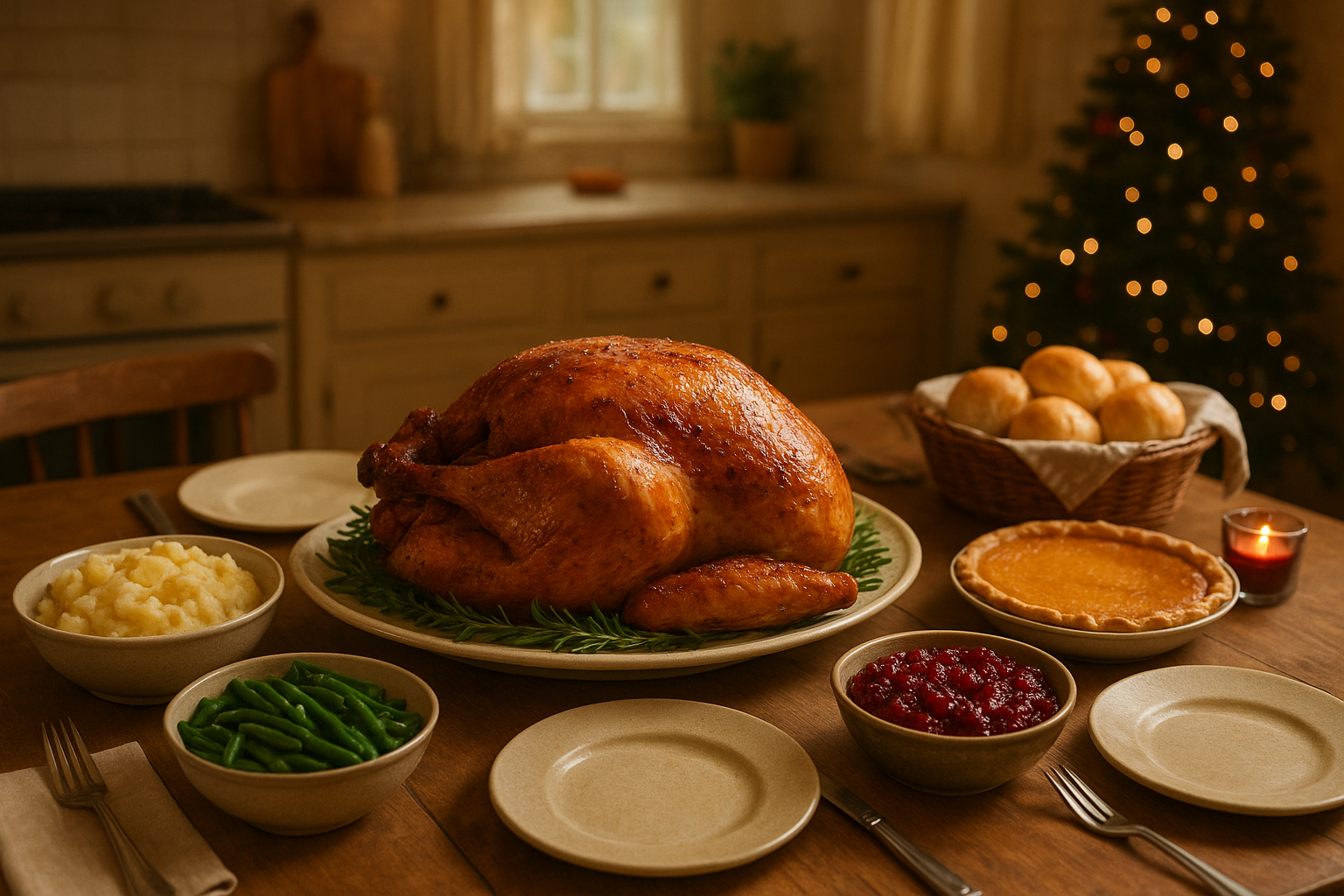
- Main: roast turkey or glazed ham
- Side 1: mashed potatoes with gravy
- Side 2: stuffing made with day-old bread
- Side 3: roasted carrots or green beans
- Fresh element: simple salad or citrus fruit salad
- Dessert: apple crisp or pumpkin pie
This kind of menu is easy to shop for, easy to scale, and familiar enough that most guests will be happy to see it. Best of all, it lets you spend your budget on food that actually gets eaten instead of decorative extras that disappear halfway through the night.
Final thoughts
A great holiday dinner is not about buying the most expensive ingredients. It is about choosing foods that taste good, serve well, and make the table feel full. When you build your menu around affordable proteins, seasonal produce, and one or two dependable crowd-pleasers, you can host generously without feeling squeezed by the bill.
Keep it simple, shop with intention, and let comfort food do the heavy lifting. That is the easiest way to serve a memorable holiday meal on a realistic budget.