How to Clean a Washing Machine Filter
If your washer smells musty, drains slowly, or leaves clothes wetter than usual, the drain pump filter may be clogged. Learning how to clean a washing machine filter is a small home-maintenance job that can prevent bigger laundry headaches.
Not every washer has a user-accessible filter, so the first step is checking your owner’s manual. ENERGY STAR and the EPA both point homeowners back to manufacturer maintenance instructions, especially for modern high-efficiency and front-load washers. ([energystar.gov](https://www.energystar.gov/products/clothes_washers?utm_source=openai))
What the washing machine filter does
On many front-load washers, the drain pump filter catches lint, hair, pet fur, coins, buttons, hairpins, and other small objects before they reach the pump. Consumer Reports notes that these filters can trap both lint and small items as water drains from the drum. ([consumerreports.org](https://www.consumerreports.org/home-garden/cleaning/spring-clean-your-laundry-room-in-20-minutes-a1099854041/?utm_source=openai))
When the filter is clogged, water has a harder time leaving the machine. You may notice a sour smell, standing water in the drum, error codes, longer drain times, or a load that finishes soaking wet. Cleaning the filter is not a cure for every washer problem, but it is one of the first things to check before assuming the machine needs repair.
Before you start: check whether your filter is accessible
Look for a small square or rectangular access door near the bottom front of the washer. Some machines hide the filter behind the lower kick panel. Others place it behind a larger removable panel, inside the agitator, or not in a spot homeowners are meant to service.
If you cannot find an access door, do not force panels off blindly. Search your washer model number online with the words “drain pump filter” or check the manual. Some top-load washers use self-cleaning lint systems, and some front-load models require partial disassembly to reach the pump filter. If the manual does not give cleaning instructions, it is safer to call the manufacturer or an appliance technician.
Supplies you will need
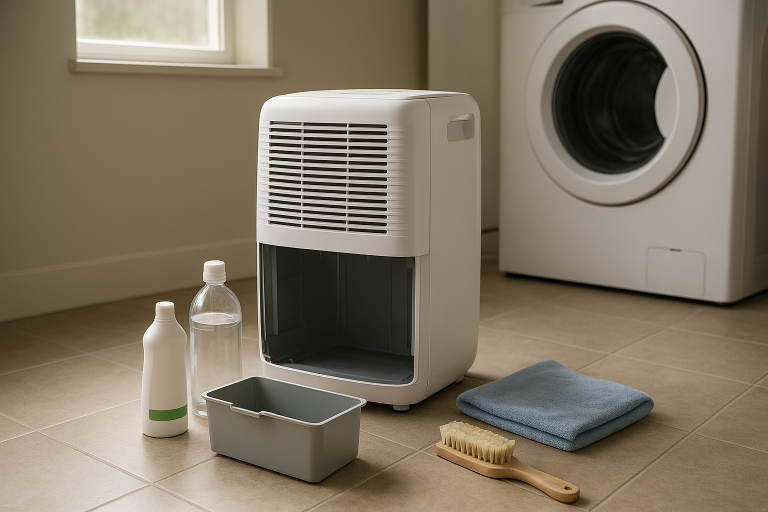
- Old towels
- A shallow pan, baking sheet, or low plastic container
- Rubber gloves
- A small bowl for debris
- Soft brush or old toothbrush
- Mild dish soap
- Flashlight
- Optional: pliers for stubborn caps, used gently
How to clean a washing machine filter
1. Turn off and unplug the washer
Always start with safety. Turn the washer off and unplug it from the wall. If the outlet is difficult to reach, switch the laundry-room circuit off at the breaker. Do not work around the filter while the machine is running or connected to power.
2. Protect the floor
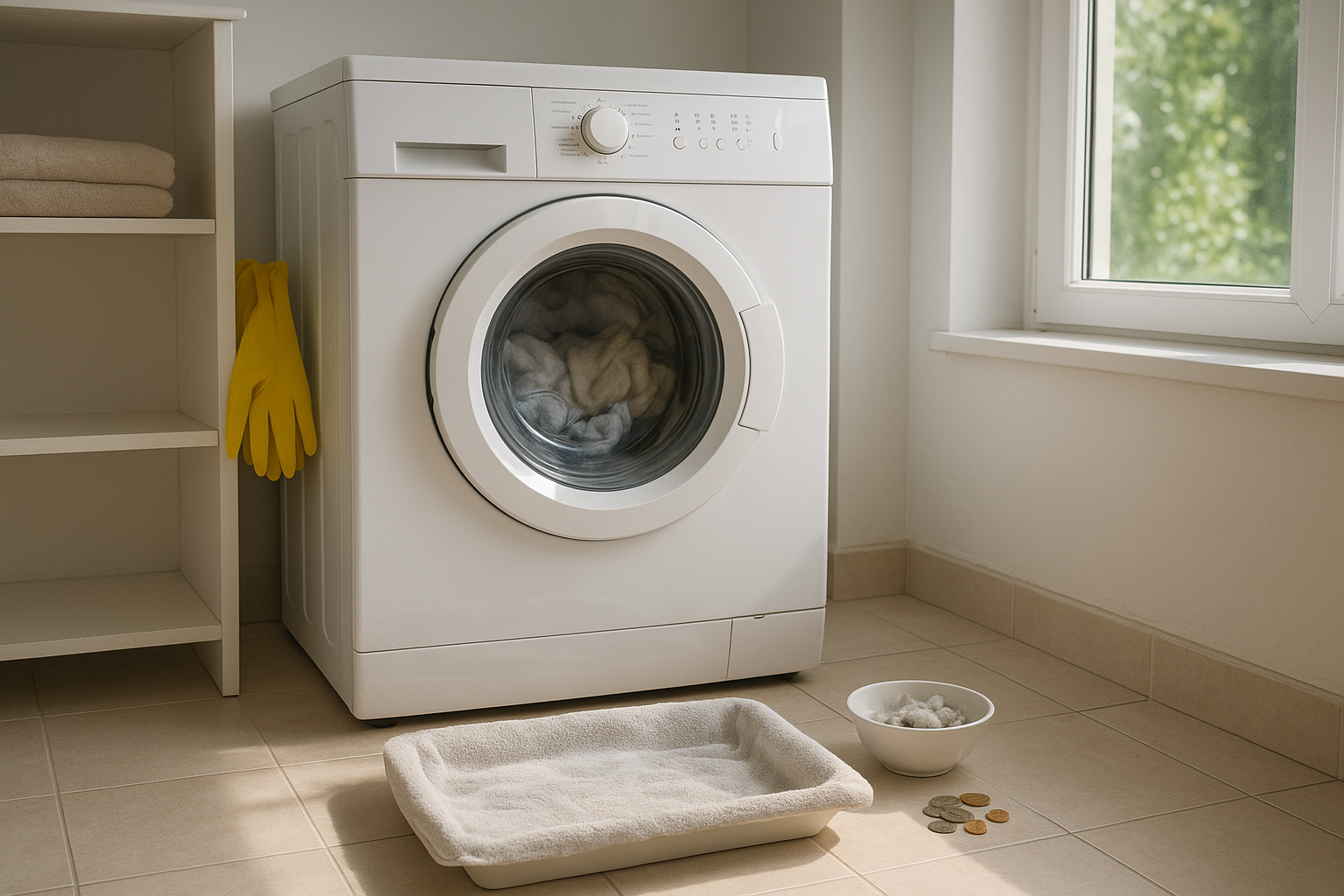
Place towels under the access door. Slide a shallow pan or baking sheet beneath the filter area. Even if the washer looks empty, water often sits in the drain hose and pump housing.
3. Drain the small hose first, if your washer has one
Many front-loaders have a thin emergency drain hose beside the filter cap. Pull the hose out gently, remove its plug, and drain the water into your pan. Replace the plug when the flow stops. Empty the pan as needed and keep towels nearby.
If your machine does not have a small hose, you will drain through the filter opening itself. Go slowly in the next step so you do not flood the floor.
4. Loosen the filter cap slowly
Turn the filter cap counterclockwise just a little. Water may begin to trickle out. Let it drain into the pan, then tighten the cap briefly if you need to empty the pan. Repeat until little or no water comes out.
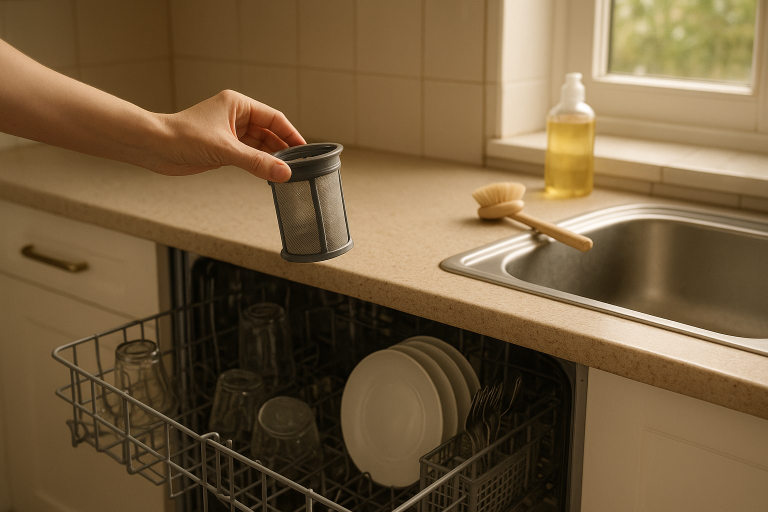
Once the water has drained, unscrew the cap fully and pull the filter straight out. Some filters are short plastic baskets; others are simple twist caps with a trap behind them.
5. Remove lint, hair, and objects
Pick off lint, hair, threads, coins, buttons, and other debris. Check the filter cavity with a flashlight. If you see a loose object near the opening, remove it carefully with your fingers. Do not push tools deep into the pump housing, because you could damage the impeller.
6. Wash the filter
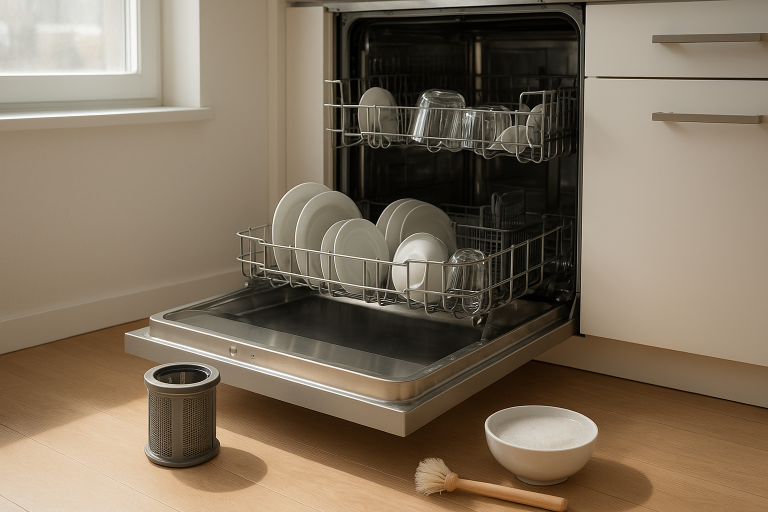
Rinse the filter under warm running water. Use a soft brush and a drop of dish soap to scrub away detergent film, lint paste, and grime. Avoid harsh scraping tools that could damage the plastic threads or rubber seal.
7. Wipe the filter housing
Use a damp cloth to wipe around the opening and gasket area. Check the threads for grit so the cap can reseal properly. If the rubber seal looks cracked, stretched, or missing, stop and look up the replacement part before running the washer.
8. Reinstall and test
Insert the filter and twist it clockwise until snug. Do not overtighten. Close the access door, plug the washer back in, and run a short rinse-and-spin cycle with no laundry. Watch the filter area for drips during the first few minutes.
How often should you clean it?
A practical schedule is every one to three months for a busy household, and sooner if you wash pet bedding, muddy clothes, rugs, or items that shed lint. If your washer has a tub-clean reminder, follow it. Consumer Reports notes that tub-clean frequency varies by machine, with some models recommending monthly cleaning and others using a cycle count. ([consumerreports.org](https://www.consumerreports.org/appliances/how-to-make-your-washer-and-dryer-last-a2393416520/?utm_source=openai))
For odor prevention, the EPA recommends leaving the washer door open after use so moisture can evaporate, particularly with front-load washers. ([epa.gov](https://www.epa.gov/watersense/home-maintenance?utm_source=openai)) That habit will not clean a clogged filter, but it helps reduce the damp environment that leads to musty smells.
What if the cap will not open?
If the filter cap is stuck, do not wrench hard enough to crack it. Try pressing inward slightly while turning counterclockwise. A rubber-grip jar opener can help. Pliers should be a last resort and used only with light pressure.
If the cap still will not move, the threads may be jammed with debris or mineral buildup. At that point, it is better to call for service than to break the drain pump housing. A broken housing can turn a simple maintenance task into a leak.
What if water keeps coming out?
If water continues pouring out, the drum may still be full. Tighten the filter cap, empty your pan, and try an emergency drain hose if the machine has one. If the washer will not drain at all, the clog may be deeper in the drain hose, pump, or household standpipe.
Stop and call a pro if you smell burning, hear grinding, see a repeated drain error after cleaning the filter, or notice leaks from the bottom of the machine. Those signs can point to pump trouble or a hose problem rather than a dirty filter.
Simple habits that keep the filter cleaner
- Empty pockets before every wash. Coins, screws, receipts, and hairpins are common filter finds.
- Use mesh bags for tiny items. Baby socks, bra pads, and reusable makeup rounds can slip into places they should not.
- Brush pet hair off bedding first. The less fur entering the washer, the less the filter has to catch.
- Use the right amount of detergent. Too much detergent can leave residue that mixes with lint and grime.
- Leave the door and dispenser open after laundry. Airflow helps the washer dry between loads.
The bottom line
Cleaning a washing machine filter is usually a 15-minute job once you know where the filter is and how your machine drains. Go slowly, expect water, and let the owner’s manual guide you. If the filter is not user-accessible or the washer still will not drain after cleaning, that is the moment to bring in help instead of forcing parts apart.