Easy Homemade Tartar Sauce Recipe with Fresh Flavor
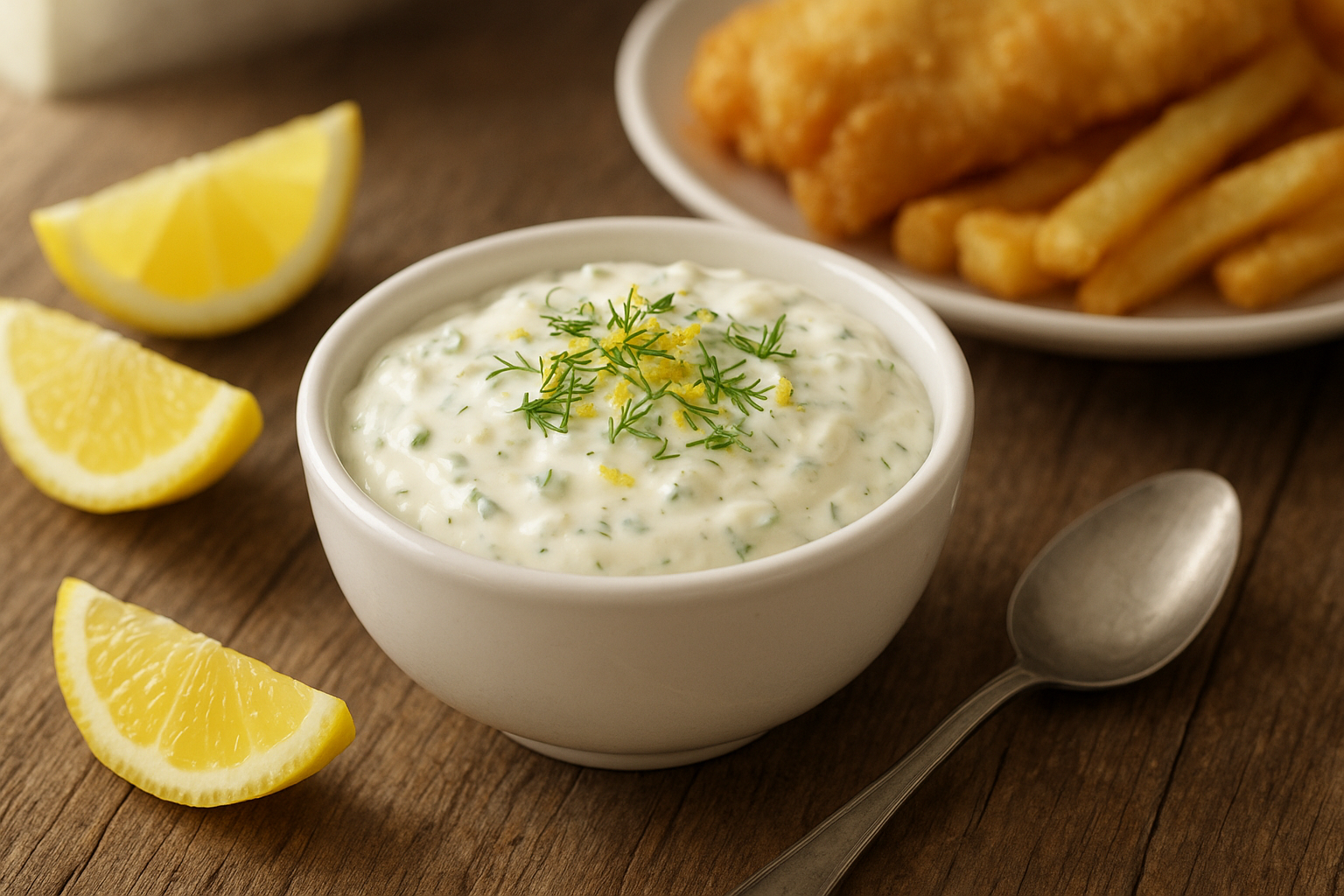
If you’ve only ever used tartar sauce from a jar, homemade is a pleasant surprise. This version is creamy, tangy, and full of bright, briny flavor, with enough freshness to make fried fish, roasted potatoes, or even simple vegetables feel more exciting.
The best part is how quickly it comes together. With a handful of pantry-friendly ingredients and 10 minutes or less, you can make a sauce that tastes fresher and more balanced than most store-bought versions.
Why make tartar sauce at home?
A good tartar sauce recipe should do three things well: add richness, bring acidity, and give a little crunch or bite. Homemade lets you control all of that. You can make it milder, tangier, sweeter, or more herb-forward depending on what you’re serving.
It also avoids the one-note flavor that packaged sauces sometimes have. Fresh lemon, chopped pickles, capers, and herbs create a sauce that tastes lively instead of heavy.
What you’ll need
This recipe uses simple ingredients, but each one plays an important role.
- Mayonnaise: The creamy base. Use a good-quality mayo for the best flavor.
- Dill pickles or relish: Adds crunch and tang. Finely chop pickles if you want more texture.
- Capers: Optional, but excellent for a briny, savory note.
- Lemon juice: Brightens everything and keeps the sauce from tasting flat.
- Dijon mustard: Adds depth and a subtle sharpness.
- Fresh dill or parsley: Gives the sauce a fresh finish.
- Garlic powder or minced garlic: A little goes a long way for savory flavor.
- Salt and black pepper: For final seasoning.
How to make tartar sauce
- Chop the mix-ins finely. The pickles, capers, and herbs should be small enough to blend into the sauce but still give a little texture.
- Stir the base together. In a small bowl, combine the mayonnaise, lemon juice, and Dijon mustard.
- Add the flavor ingredients. Mix in the chopped pickles, capers, herbs, and garlic.
- Season to taste. Add salt and pepper only after tasting, since pickles and capers can already be salty.
- Chill briefly if you can. Ten to 15 minutes in the fridge helps the flavors meld, though it’s ready to serve right away.
Ingredient tips for the best flavor
Choose the right pickles: Dill pickles give tartar sauce its classic sharpness. Sweet pickles will make the sauce sweeter and change the flavor profile, which may be nice for some dishes but less traditional.
Don’t overdo the lemon: A little lemon juice is enough to lift the sauce. Too much can thin the texture or make it overly sharp.
Use capers sparingly: Capers bring a salty, briny punch. If you’re sensitive to salt, rinse them first before chopping.
Let it rest: If time allows, resting the sauce for a short while in the refrigerator helps the flavors blend and mellow.
Easy ways to customize it
This tartar sauce recipe is flexible, so you can adjust it to match what’s on the table.
- Extra tangy: Add a little more lemon juice or a splash of pickle juice.
- Herbier: Increase the dill or add a little chopped chives.
- More savory: Stir in a pinch of onion powder or a tiny bit of minced shallot.
- Spicy: Add a few drops of hot sauce or a pinch of cayenne.
- Lighter texture: Replace part of the mayo with plain Greek yogurt for a tangier, less rich sauce.
What to serve it with
Tartar sauce is best known as a seafood condiment, but it has a lot more uses than that. Try it with:
- Fried fish, fish sticks, or baked fish
- Shrimp cakes or crab cakes
- French fries, sweet potato fries, or potato wedges
- Roasted cauliflower or broccoli
- Grilled salmon or seafood sandwiches
- Veggie burgers and crispy tofu
- Onion rings or fried pickles
It’s also a great dip for a snack board if you want something creamy and tangy alongside crunchy vegetables or crackers.
Storage and make-ahead tips
Homemade tartar sauce keeps well in the refrigerator, which makes it a smart make-ahead condiment. Store it in an airtight container and keep it chilled. For the best flavor and freshness, use it within 3 to 5 days.
If the sauce thickens in the fridge, stir in a small splash of lemon juice or a teaspoon of water before serving. Give it a quick taste before using, and adjust the salt, pepper, or lemon as needed.
Because it contains mayonnaise, avoid leaving it out at room temperature for long periods. If you’re serving it outdoors or at a party, keep the bowl over ice or return it to the fridge between uses.
Common mistakes to avoid
Using too much liquid: A watery sauce is usually the result of too much lemon juice or pickle brine. Add liquids slowly so you keep the texture thick and dip-worthy.
Chopping ingredients too coarsely: Large pieces can make the sauce feel uneven. Finely chop everything for a smoother, more balanced bite.
Forgetting to taste after mixing: Mayo, pickles, and capers all vary in saltiness. Always taste before adding extra salt.
Serving it immediately without tasting again: The flavor changes after a few minutes. If possible, give it one final stir and taste right before serving.
A simple homemade condiment worth keeping on hand
Once you make tartar sauce from scratch, it’s easy to see why people keep coming back to it. It’s quick, adaptable, and useful far beyond fish night. A small batch can turn an ordinary meal into something bright, creamy, and full of flavor.
Keep the ingredients on hand, and you’ll always have a reliable sauce ready whenever dinner needs a little lift.
Quick tartar sauce formula
For a fast version, combine mayonnaise with finely chopped dill pickles, capers, lemon juice, Dijon mustard, and fresh herbs. Stir, taste, and chill briefly before serving.
If you want to make it your own, start small and adjust one element at a time. That way you’ll land on the flavor balance you like best, whether you want it more briny, more lemony, or extra herb-forward.