Classic Eggplant Parmesan with Crispy Layers
Eggplant Parmesan is the kind of dinner that feels both comforting and a little celebratory. When it’s done well, you get crisp eggplant, tangy tomato sauce, and a blanket of melted cheese in every bite.
The key is to handle the eggplant thoughtfully so the finished dish stays rich but not soggy. With a few simple techniques, you can make a version that tastes restaurant-worthy and still works for a weeknight at home.
Why this method works
Eggplant naturally holds a lot of moisture, which can make a baked casserole watery if it isn’t prepared properly. Salting, drying, and lightly breading the slices helps them brown instead of steam.
This version also keeps the sauce straightforward. A well-seasoned tomato sauce and good-quality cheese are enough to make the dish shine without adding extra complexity.
Ingredients you’ll need
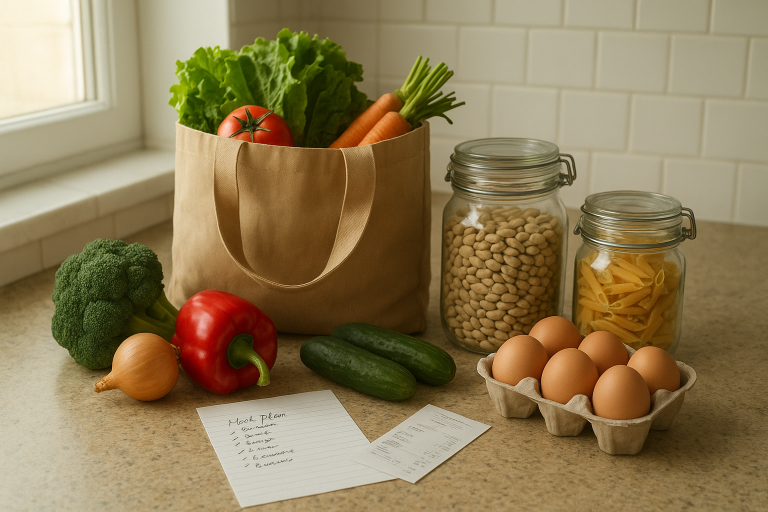
- Eggplant: 2 medium globe eggplants, sliced into 1/2-inch rounds
- Salt: for drawing out excess moisture
- Flour: for the first coating
- Eggs: beaten, for helping the crumbs stick
- Bread crumbs: plain or seasoned, for a crisp crust
- Parmesan cheese: finely grated, for flavor in the coating and topping
- Olive oil: for pan-frying or brushing before baking
- Tomato sauce: about 3 cups, homemade or a good jarred sauce
- Mozzarella: shredded or sliced, for melting
- Fresh basil: optional, but great for finishing
Best eggplant for Parmesan
Globe eggplants are the most common choice because they’re large enough to slice into sturdy rounds. Look for eggplants that feel heavy for their size and have smooth, shiny skin. Avoid ones with soft spots or wrinkled stems.
If you want smaller portions or a slightly sweeter flavor, you can also use Italian eggplants. They work especially well if you’re making individual servings.
How to prep the eggplant
- Slice evenly. Cut the eggplant into 1/2-inch rounds so the pieces cook at the same rate.
- Salt the slices. Arrange them on a baking sheet or in a colander and sprinkle lightly with salt.
- Let them rest. Leave the slices for 20 to 30 minutes. You’ll see moisture bead on the surface.
- Pat dry. Use paper towels to remove the moisture and excess salt before breading.
This step makes a real difference. It helps reduce bitterness and improves texture, especially if your eggplant is on the larger side.
Breading and cooking options
You can pan-fry the slices for the most classic crisp edges, or bake them for a lighter, more hands-off approach. Both methods work; choose based on your schedule.
For pan-frying
Dredge each slice in flour, dip it in beaten egg, then coat with a mixture of bread crumbs and Parmesan. Heat a shallow layer of olive oil in a skillet over medium heat and cook until golden on both sides. Drain briefly on paper towels.
For baking
Set the breaded slices on a parchment-lined baking sheet. Mist or brush them lightly with oil and bake at 425°F until browned and crisp, flipping once halfway through.
Tip: Baking is easier if you want to cook a large batch without standing over the stove, while pan-frying usually gives the deepest flavor and best browning.
Simple tomato sauce
You can absolutely use a favorite jarred marinara, but a quick homemade sauce adds a fresher finish. Warm olive oil in a saucepan, add minced garlic, then stir in crushed tomatoes, salt, pepper, and a pinch of dried oregano. Simmer for 15 to 20 minutes until slightly thickened.
If the sauce tastes sharp, add a small pinch of sugar. If it tastes flat, add more salt or a little extra Parmesan on top of the casserole.
Assembling the casserole
Use a 9×13-inch baking dish or a similar casserole dish. Start with a thin layer of sauce on the bottom so the eggplant doesn’t stick. Then build layers:
- Sauce
- Eggplant slices
- More sauce
- Shredded mozzarella
- Parmesan
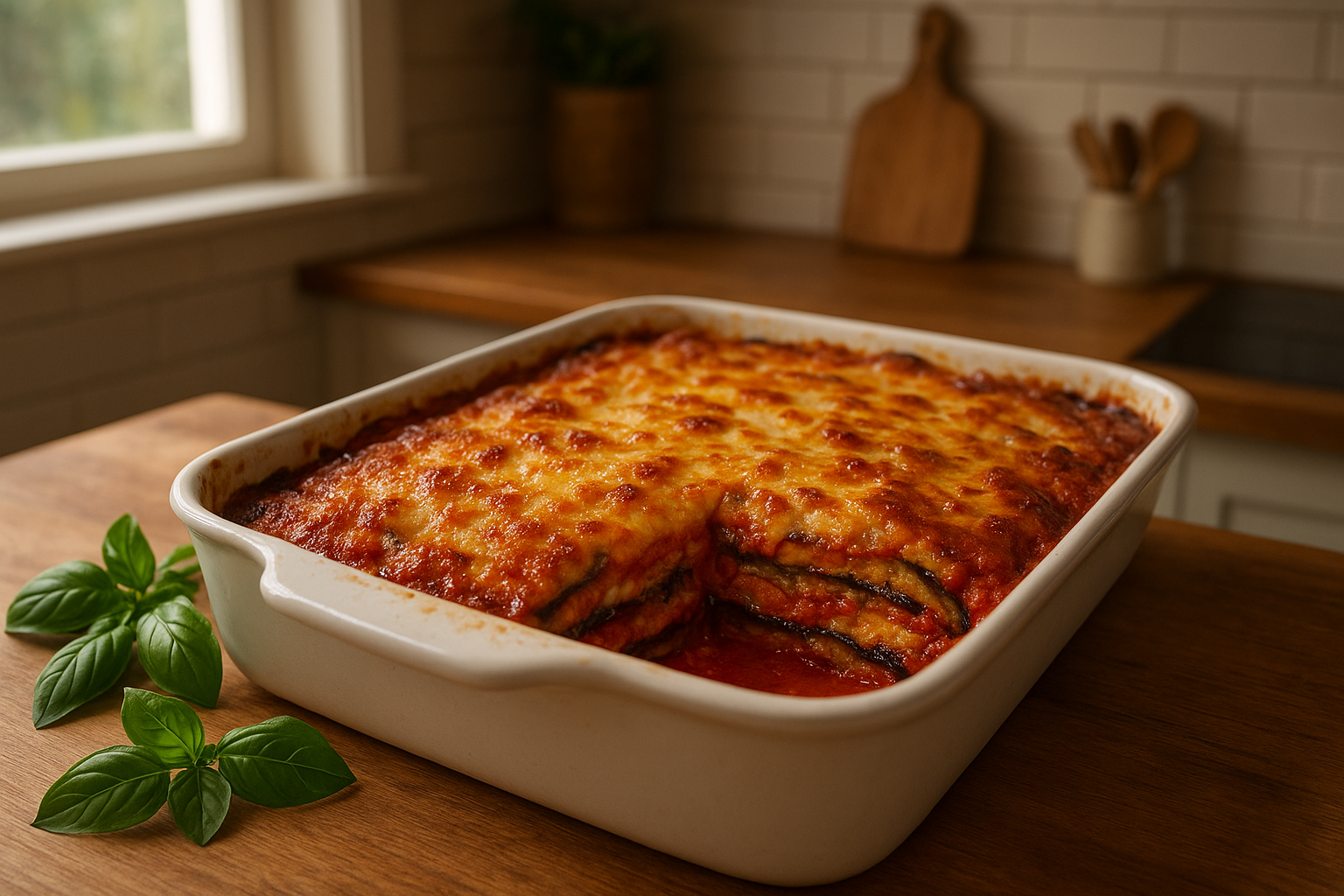
Repeat until you’ve used all the eggplant, finishing with sauce and a generous layer of cheese on top. The final layer should look a little abundant; it will settle as it bakes.
Baking instructions
Bake the assembled casserole at 375°F for 25 to 30 minutes, or until the sauce is bubbling and the cheese is melted and browned in spots. If you want extra color on top, broil for 1 to 2 minutes at the end, watching closely so it doesn’t burn.
Let the dish rest for at least 15 minutes before serving. This helps the layers set and makes slicing much easier.
Serving ideas
Eggplant Parmesan is satisfying enough to serve as the main event, especially with a simple green salad and crusty bread. It also pairs well with pasta if you want a heartier meal.
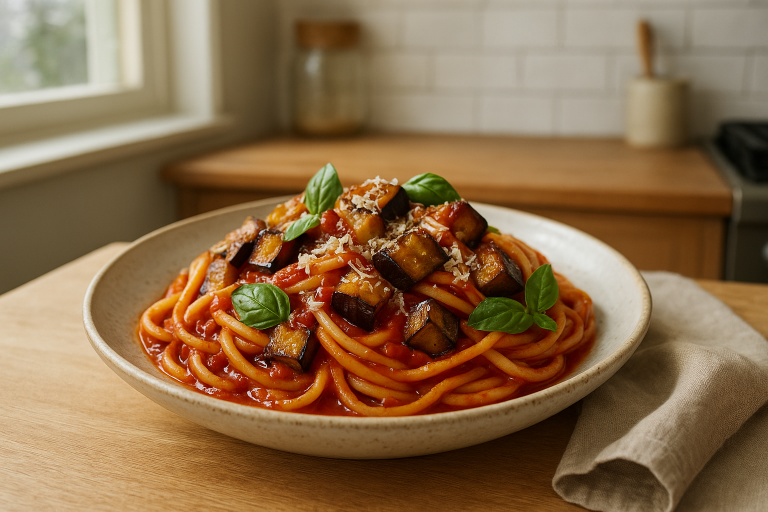
- With spaghetti: a classic pairing for extra comfort
- With garlic bread: useful for scooping up the sauce
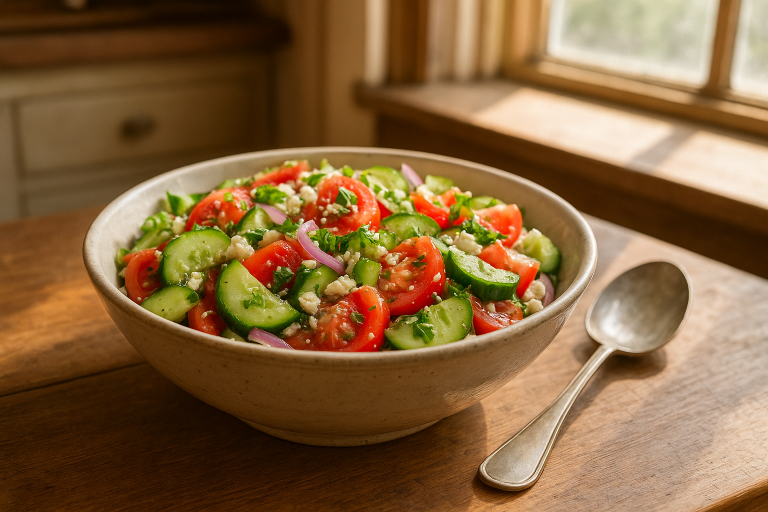
- With a salad: a crisp counterpoint to the rich layers
- With roasted vegetables: a lighter way to round out the plate
Make-ahead and storage tips
Eggplant Parmesan is a great make-ahead dish. You can bread and cook the eggplant a day in advance, then assemble and bake when you’re ready. You can also assemble the full casserole earlier in the day and refrigerate it until dinnertime.
Leftovers keep well in the refrigerator for up to 4 days. Reheat covered in a 350°F oven until hot, or warm individual portions in the microwave. If the casserole seems dry after storage, spoon a little extra sauce over the top before reheating.
Freezing tips
This dish freezes well, especially after baking. Let it cool completely, then cut into portions and wrap them tightly. Freeze for up to 3 months. Thaw overnight in the refrigerator before reheating in the oven.
Best practice: If you know you’ll freeze part of it, underbake the casserole slightly so it finishes more evenly when reheated.
Helpful variations
You can adjust this recipe to suit your kitchen or dietary needs without losing the spirit of the dish.
- Vegetarian boost: Add sautéed spinach between layers.
- Spicier version: Stir red pepper flakes into the sauce.
- Gluten-free option: Use gluten-free flour and crumbs.
- Lighter version: Bake the eggplant instead of frying it.
- Extra-rich version: Add a layer of ricotta mixed with parsley and egg.
Common mistakes to avoid
- Skipping the salting step: this can leave you with watery eggplant.
- Cutting slices too thin: they may collapse after baking.
- Using too much sauce: it can overwhelm the breading and make the dish mushy.
- Serving immediately: the layers need a short rest to hold together.
Final thought
Eggplant Parmesan is one of those recipes that rewards a little patience. Once you take the time to prep the eggplant properly, the rest comes together easily and the payoff is a deeply satisfying baked dinner with crisp edges, savory sauce, and plenty of cheese.
It’s a classic for a reason: simple ingredients, familiar flavors, and a result that feels special enough for guests but practical enough for a family meal.